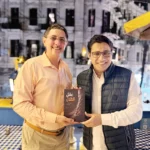

منذ قرابة شهرين وأنا أعيش مع كتاب «التأملات» لماركوس أوريليوس.
قرأته في المرة الأولى كاملًا، وأعانني. ثم عدت إليه في قراءة ثانية، وهذه المرة لم أكتفِ بالمرور على صفحاته؛ صرت أصوّر المقاطع التي تستوقفني، وأحفظ أفضل صفحاته، وكأنني أجمع منه زادًا أعود إليه عند الحاجة. وها أنا اليوم أقرأ تلك الصفحات المختارة مرة ثالثة، فأجده لا يزال قادرًا على أن يقول لي شيئًا جديدًا، أو ربما يقول الشيء نفسه، ولكنني أنا الذي أسمعه هذه المرة من موضع مختلف.
أول ما علّمني إياه الكتاب ألا أقلق من كل ما يحدث في العالم، وألا أتعامل مع كل اضطراب في حياتي كما لو أنه انهيار للكون كله.
نحن نرى جزءًا صغيرًا من المشهد، ثم نحاكم به المشهد كاملًا. نرى حدثًا سياسيًا، أو أزمة اقتصادية، أو قرارًا مفاجئًا، أو خسارة شخصية، أو تغيّرًا لم نستعد له؛ فنظن أن العالم خرج من مساره، وأن الحياة كان ينبغي أن تسير بطريقة أخرى، هي غالبًا الطريقة التي تناسب رغباتنا نحن.
أما أوريليوس فينظر إلى الكون بوصفه كلًّا هائلًا مترابطًا، تتحرك داخله أجزاء لا حصر لها: بشر، وقرارات، وأسباب، وظروف، وطبيعة، وزمن، وتحوّلات. وكل جزء يؤثر في غيره حتى ينشأ واقع لم يصنعه فرد واحد، ولم يكن أحد قادرًا على التنبؤ به كاملًا.
ما واجبي الآن؟
واجبي ليس أن أصلح العالم كله، ولا أن أفهم كل ما يجري فيه، ولا أن أضمن النتائج قبل أن أتحرك. واجبي أن أحسن الجزء الذي وُضع بين يدي: أن أرى بوضوح، وأن أقول الصدق، وأن أتصرف بعدل، وأن أبذل ما أستطيعه، ثم أترك ما يتجاوز قدرتي لتدبير الله.
وصرت أضيف إلى سؤال: «ما واجبي الآن؟» سؤالًا آخر: «أي فضيلة يطلبها مني هذا الموقف؟» فهناك موقف يطلب الصبر، وآخر يطلب الشجاعة، وثالث يطلب العدل، ورابع لا يحتاج إلى أكثر من أن أستمع وأرفق. بهذه الطريقة لا يبقى الظرف مجرد شيء وقع عليّ؛ يصبح ميدانًا أختبر فيه الإنسان الذي أريد أن أكونه.
يعيد أوريليوس الإنسان مرارًا إلى المساحة الوحيدة التي يملكها حقيقة: هذه اللحظة.
الماضي ليس مكانًا للسكن. هو موضع للتعلم، وللاعتراف، وللتوبة، ولرؤية ما صنعت بنا الأيام. والمستقبل ليس موضعًا لنستدين منه القلق؛ هو مجال للتخطيط والأمل والأخذ بالأسباب. أما الحياة نفسها فلا تقع إلا الآن.
علّمني الكتاب أن أؤدي العمل الذي أمامي كما ينبغي: بعناية، وعدل، وصدق، وحضور. لا أحتاج دائمًا إلى حل حياتي كاملة، أحتاج أحيانًا فقط إلى أن أحسن الفعل التالي. أن أكتب الرسالة التي يجب أن تُكتب، وأن أتخذ القرار الذي يجب أن يُتخذ، وأن أقول الكلمة الصادقة، وأن أعتذر إذا وجب الاعتذار، ثم أنتقل إلى ما بعده.
ليست السكينة أن تخلو الحياة من المهام، بل أن تكف النفس عن جرّ العالم كله إلى المهمة التي بين يديها.
ومن أعظم ما تعلمته أن أفهم قبل أن أغضب: ما الحكم الخاطئ الذي جعل هذا الإنسان يتصرف هكذا؟ وهل أستطيع أن أصححه؟ فإن استطعت فعلت برفق، وإن لم أستطع وضعت الحد اللازم ومضيت. ليس عليّ أن أحمل خطأه معي بقية يومي، ولا أن أعيد الإساءة داخل رأسي مئة مرة بعد أن وقعت مرة واحدة في الخارج.
الغضب لا يثبت أنني قوي، والرفق لا يعني أنني ضعيف. أحيانًا يكون أعظم دليل على القوة أن تقول الحق كاملًا من غير أن تهين أحدًا.
من أكثر أفكار الكتاب التصاقًا بي أن سكينة الإنسان لا يمكن أن تكون رهينة الأشياء الخارجية. المال، والمنصب، والشهرة، والراحة، ونظرة الناس، وحتى كثير من الصور التي نصنعها عن النجاح؛ كلها أشياء قد تأتي وقد تذهب. وإذا جعل الإنسان طمأنينته معلقة بها، عاش خائفًا حتى وهو يملكها؛ لأنه يعرف في أعماقه أنها ليست تحت سلطته الكاملة.
لا يدعو أوريليوس إلى رفض النعمة أو احتقار الجمال. بل يدعو إلى الاستمتاع بما يأتي من غير عبودية له: أن أشكر النعمة حين تحضر، وألا أجعل غيابها يسلبني نفسي. أن أملك الأشياء من غير أن تملكني، وأن أستخدم المنصب من غير أن أصبح «قيصرًا» في داخلي؛ ذلك الإنسان الذي يبتلعه الترف والصيت والسلطة حتى ينسى بساطة روحه الأولى.
السلام الذي تصنعه الظروف وحدها ينهار عند أول تغيّر في الظروف. أما السلام الأعمق فينشأ من الداخل: من وضوح الغاية، ومن صدق الفعل، ومن قبول ما لا أملك، ومن الثقة بأن قيمتي الأخلاقية لا يمنحها الخارج ولا ينتزعها.
لا يقول الكتاب إن الألم وهم، ولا إن الإنسان يستطيع إلغاء كل معاناة بمجرد فكرة إيجابية. الألم الجسدي حقيقي، والفقد حقيقي، والمرض يحتاج إلى علاج، والنفس قد تحتاج إلى المساندة.
لكنه يقول شيئًا بالغ الأهمية: الحدث الخارجي ليس وحده ما يصنع عيشتنا؛ تفسيرنا له يشارك في ذلك بقوة.
تقع الحادثة مرة، ثم يعيدها العقل كل يوم. تصل كلمة من شخص، فنضيف إليها نيته التي لم نتحقق منها، ثم نتخيل نتائجها، ثم نربط بها قيمتنا كلها. نخسر شيئًا فنقول: خسرت كل شيء. نتألم فنقول: لن ينتهي الألم. نخاف فنظن أن الخوف معرفة بالمستقبل.
هنا يطلب أوريليوس أن نفصل الحدث عن حكمنا عليه. ماذا وقع فعلًا؟ وما الذي أضفته أنا؟ ما الدليل؟ وكم سيدوم؟ وما الفعل الذي لا يزال متاحًا لي؟
هذه الأسئلة لا تلغي الحقيقة، بل تعيدها إلى حجمها. كثير من الأشياء التي تسحقنا لا تكون صغيرة، لكننا نمنحها أحيانًا مساحة أكبر من مساحتها، حتى لا يبقى في النفس مكان لشيء آخر.
ومن أجمل صور الكتاب أن العقل يستطيع أن يأخذ العائق نفسه ويجعله مادة لعمل جديد. ما منع خطة قد يفتح بابًا للمراجعة، وما كشف ضعفًا قد يصبح بداية لقوة، وما آلمنا قد يوسع فهمنا للآخرين.
ولعل هذا هو سر عودتي إليه. فهو لا يعدني بحياة بلا ألم، ولا بعالم ينفذ رغباتي، ولا بأناس لا يخطئون. لكنه يذكرني بأن هناك دائمًا مساحة، ولو ضاقت، أستطيع فيها أن أختار الصدق بدل الكذب، والعدل بدل الظلم، والرفق بدل التشفي، والعمل بدل الشكوى، والحاضر بدل التيه بين زمنين لا أملكهما.
لا تطلب من العالم أن يخلو من النقص حتى تبدأ أنت في الصلاح. لا تستهلك ما بقي من عمرك في حياة الآخرين. لا تجعل النعمة إدمانًا، ولا الفقد نهاية، ولا الغضب قائدًا. افعل الخير، ثم لا تقف بجانبه مطالبًا بالتصفيق.
ويقول لي، قبل كل ذلك وبعده: عد إلى واجبك.
ربما لهذا صار الكتاب عندي كالماء. فالماء لا يغيّر العالم من حولك دفعة واحدة، لكنه يعيد الحياة إلى ما جف في داخلك. وهذا ما فعله «التأملات» بي: لم يمنع تقلب الحياة، لكنه غيّر الطريقة التي ألقاها بها؛ لم يوقف ضجيج العالم، لكنه أعادني في كل مرة إلى ذلك الموضع الهادئ الذي أستطيع منه أن أرى بصدق، وأن أحكم بعدل، وأن أفعل ما ينبغي، ثم أترك ما لا أملكه لله.
For nearly two months, I have been living with the book “Meditations” by Marcus Aurelius.
I read it in its entirety the first time, and it helped me. Then I returned to it for a second reading, and this time I didn’t just skim through its pages; I began to photograph the passages that caught my attention, and I memorized its best pages, as if I were gathering provisions to return to when needed. And here I am today, reading those selected pages for the third time, finding that it is still capable of telling me something new, or perhaps it is saying the same thing, but I am the one hearing it this time from a different perspective.
The first thing the book taught me is not to worry about everything happening in the world, and not to treat every disturbance in my life as if it were the collapse of the entire universe.
We see a small part of the scene, and then we judge the whole scene based on that. We see a political event, or an economic crisis, or a sudden decision, or a personal loss, or a change we weren’t prepared for; we think that the world has gone off track, and that life should have gone in a different way, which is often the way that suits our own desires.
However, Aurelius looks at the universe as a vast interconnected whole, within which countless parts move: people, decisions, causes, circumstances, nature, time, and transformations. Each part affects the others until a reality emerges that was not created by a single individual, and no one was capable of predicting it entirely.
What is my duty now?
My duty is not to fix the whole world, nor to understand everything happening in it, nor to guarantee the outcomes before I take action. My duty is to improve the part that has been placed in my hands: to see clearly, to speak the truth, to act justly, and to give what I can, then leave what exceeds my ability to God’s management.
I have also begun to add to the question: “What is my duty now?” another question: “What virtue does this situation require of me?” For there is a situation that requires patience, another that requires courage, a third that requires justice, and a fourth that needs nothing more than for me to listen and be compassionate. In this way, the circumstance does not remain just something that has happened to me; it becomes a field in which I test the person I want to be.
Aurelius repeatedly brings humanity back to the only space it truly possesses: this moment.
The past is not a place to dwell. It is a place for learning, for acknowledgment, for repentance, and for seeing what the days have made of us. The future is not a place from which we should borrow anxiety; it is a realm for planning, hope, and taking action. As for life itself, it only occurs now.
The book taught me to perform the work before me as it should be done: with care, justice, truth, and presence. I do not always need a complete solution to my life; sometimes I only need to improve the next action. To write the letter that needs to be written, to make the decision that needs to be made, to say the honest word, and to apologize if an apology is due, then move on to what comes next.
Tranquility is not the absence of tasks in life, but rather the ability of the soul to stop dragging the entire world into the task at hand.
One of the greatest lessons I learned is to understand before I get angry: what wrong judgment led this person to act this way? And can I correct it? If I can, I do so gently, and if I cannot, I set the necessary limit and move on. I do not have to carry their mistake with me for the rest of my day, nor replay the offense in my head a hundred times after it has happened once outside.
Anger does not prove that I am strong, and gentleness does not mean that I am weak. Sometimes the greatest proof of strength is to speak the whole truth without insulting anyone.
One of the ideas from the book that has stuck with me is that a person’s tranquility cannot be hostage to external things. Money, status, fame, comfort, and the opinions of others, as well as many of the images we create about success; all of these are things that may come and may go. And if a person makes their peace contingent upon them, they will live in fear even while possessing them; because deep down, they know that they are not under their complete control.
Aurelius does not call for rejecting grace or despising beauty. Rather, he calls for enjoying what comes without being enslaved by it: to thank for the grace when it arrives, and not to let its absence rob me of my self. To possess things without being possessed by them, and to use status without becoming “Caesar” within; that person who is swallowed by luxury, fame, and power until they forget the simplicity of their original soul.
The peace created solely by circumstances collapses at the first change in those circumstances. However, the deeper peace arises from within: from clarity of purpose, from sincerity of action, from acceptance of what I do not have, and from the confidence that my moral value is not granted by the outside nor taken away from me.
The book does not say that pain is an illusion, nor that a person can eliminate all suffering with just a positive thought. Physical pain is real, loss is real, illness requires treatment, and the soul may need support.
But it says something of great importance: the external event is not the only thing that shapes our lives; our interpretation of it plays a significant role in that.
The incident occurs once, and then the mind replays it every day. A word comes from someone, and we add to it their intention that we have not verified, then we imagine its consequences, and then we tie our entire value to it. We lose something and say: I have lost everything. We suffer and say: the pain will never end. We fear and think that fear is knowledge of the future.
Here, Aurelius asks us to separate the event from our judgment of it. What actually happened? What did I add? What is the evidence? How long will it last? What action is still available to me?
These questions do not negate the truth, but rather return it to its proper size. Many of the things that crush us may not be small, but we sometimes grant them a larger space than they deserve, leaving no room in the soul for anything else.
One of the most beautiful images from the book is that the mind can take the very obstacle and turn it into material for new action. What blocked a plan may open a door for review, what revealed a weakness may become the beginning of strength, and what has caused us pain may expand our understanding of others.
Perhaps this is the secret of my return to it. It does not promise me a life without pain, nor a world that fulfills my desires, nor people who do not make mistakes. But it reminds me that there is always a space, however narrow, in which I can choose truth over lies, justice over injustice, gentleness over vindictiveness, action over complaint, and presence over wandering between two times that I do not possess.
Do not ask the world to be free of flaws before you begin to do good. Do not spend what remains of your life living for others. Do not make grace an addiction, nor loss an end, nor anger a leader. Do good, and then do not stand beside it demanding applause.
And it tells me, before all of this and after it: Return to your duty.
Perhaps this is why the book has become for me like water. For water does not change the world around you all at once, but it brings life back to what has dried up within you. And this is what “Meditations” has done for me: it has not prevented the fluctuations of life, but it has changed the way I face them; it has not silenced the noise of the world, but it has brought me back each time to that quiet place from which I can see clearly, judge justly, and do what is necessary, then leave what I do not possess to God.