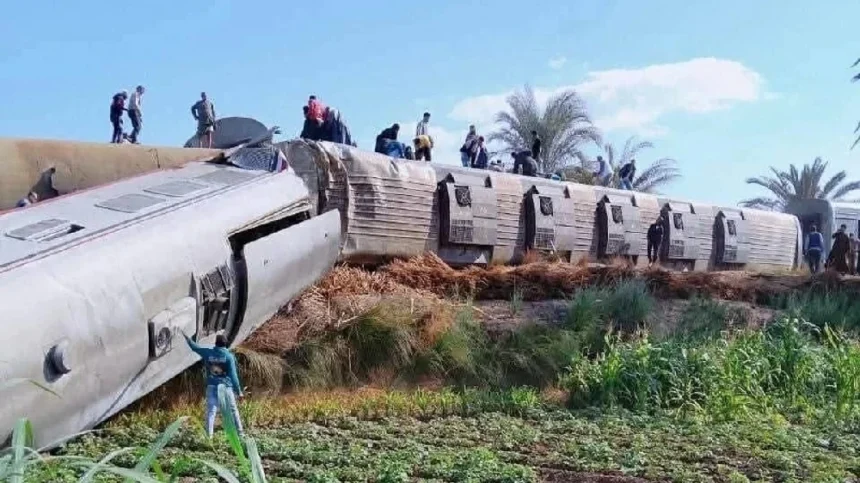
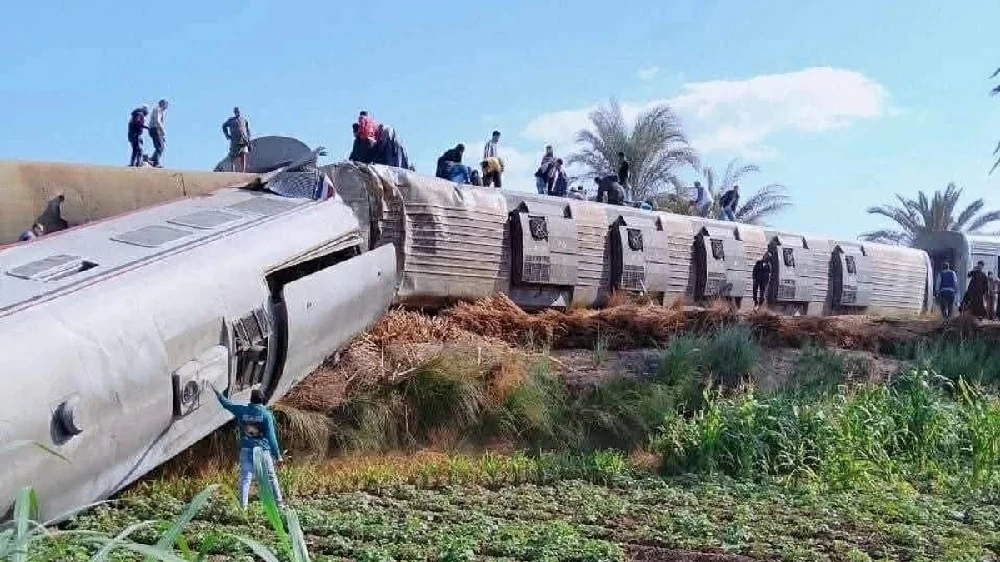
أعاد تصادم القطارين في مركز العياط بمحافظة الجيزة، الذي أودى بحياة سبعة أشخاص وأصاب 112 آخرين، فتح واحد من أكثر الملفات إيلاماً في تاريخ السكك الحديدية المصرية، حيث ارتبط اسم المنطقة بسلسلة من الحوادث المأساوية التي امتدت لأكثر من عقدين.
الحادثة الأخيرة وقعت بين محطتي كفر عمار والرقة، بعدما اصطدم قطار متجه إلى الفيوم بمؤخرة قطار قادم من القاهرة إلى أسوان، ما تسبب في خروج عددٍ من العربات عن القضبان وسقوط ضحايا ومصابين، ودفع الجهات المختصة إلى فتح تحقيق عاجل لكشف أسبابه.
لكن تصادم 2026 لم يكن الحادثة الأولى التي تهز العياط، إذ تعود أشهر الكوارث إلى فبراير 2002 عندما اندلعت النيران في قطار الصعيد أثناء مروره بالقرب من المنطقة، في مأساة تعد من أسوأ حوادث السكك الحديدية في تاريخ مصر، بعدما خلفت مئات الضحايا وأثارت صدمة واسعة آنذاك.
وفي أكتوبر 2009، شهد (العياط) حادثة تصادم أخرى بين قطارين على خط القاهرة – أسيوط، ما أدى إلى سقوط عشرات القتلى والمصابين، وأعاد النقاش حينها حول سلامة منظومة السكك الحديدية.
كما سجلت المنطقة خلال السنوات التالية حوادث متنوعة بين تصادمات وخروج قطارات عن القضبان وحوادث مزلقانات، كان من بينها اصطدام قطار بسيارة نقل عام 2010، وحادثة مأساوية عام 2014 أودت بحياة ثلاثة أشخاص دهساً بعد نزولهم من قطار متعطل، إضافة إلى حادثتين بارزتين في عام 2016 أسفرتا عن سقوط قتلى ومصابين.
ومع كل حادثة جديدة، تعود التساؤلات بشأن أسباب تكرار الوقائع في هذه المنطقة تحديداً، ومدى كفاءة إجراءات الصيانة والرقابة والسلامة على هذا الخط الحيوي الذي يربط القاهرة بمحافظات الصعيد.
وبينما تتواصل التحقيقات في حادثة 2026، يبقى اسم العياط حاضراً في ذاكرة المصريين باعتباره أحد أكثر المواقع ارتباطاً بحوادث القطارات، في سجل طويل من الكوارث التي ما زالت تثير الأسئلة وتنتظر الإجابات.
The collision of two trains in Al-Ayyat Center in Giza Governorate, which resulted in the deaths of seven people and injured 112 others, has reopened one of the most painful files in the history of Egyptian railways, as the name of the area has been associated with a series of tragic incidents that have spanned more than two decades.
The recent incident occurred between the Kafr Ammar and Al-Raqa stations, after a train heading to Fayoum collided with the rear of a train coming from Cairo to Aswan, causing several carriages to derail and resulting in casualties and injuries, prompting the relevant authorities to launch an urgent investigation to uncover the causes.
However, the 2026 collision was not the first incident to shake Al-Ayyat, as the most famous disasters date back to February 2002 when a fire broke out in a Upper Egypt train while passing near the area, in a tragedy considered one of the worst railway accidents in Egypt’s history, leaving hundreds of victims and causing widespread shock at the time.
In October 2009, Al-Ayyat witnessed another collision between two trains on the Cairo – Assiut line, resulting in dozens of deaths and injuries, reigniting the discussion at the time about the safety of the railway system.
The area also recorded various incidents in the following years, including collisions, derailments, and level crossing accidents, among which was a collision between a train and a public transport vehicle in 2010, and a tragic incident in 2014 that claimed the lives of three people who were run over after disembarking from a stalled train, in addition to two prominent incidents in 2016 that resulted in fatalities and injuries.
With each new incident, questions arise regarding the reasons for the recurrence of events in this specific area, and the efficiency of maintenance, oversight, and safety procedures on this vital line that connects Cairo with the Upper Egypt governorates.
As investigations into the 2026 incident continue, the name Al-Ayyat remains present in the memory of Egyptians as one of the most associated sites with train accidents, in a long record of disasters that continue to raise questions and await answers.