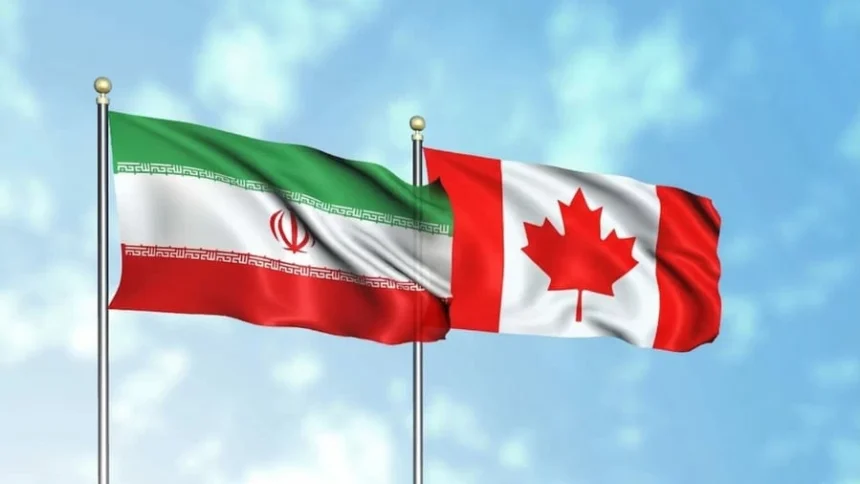
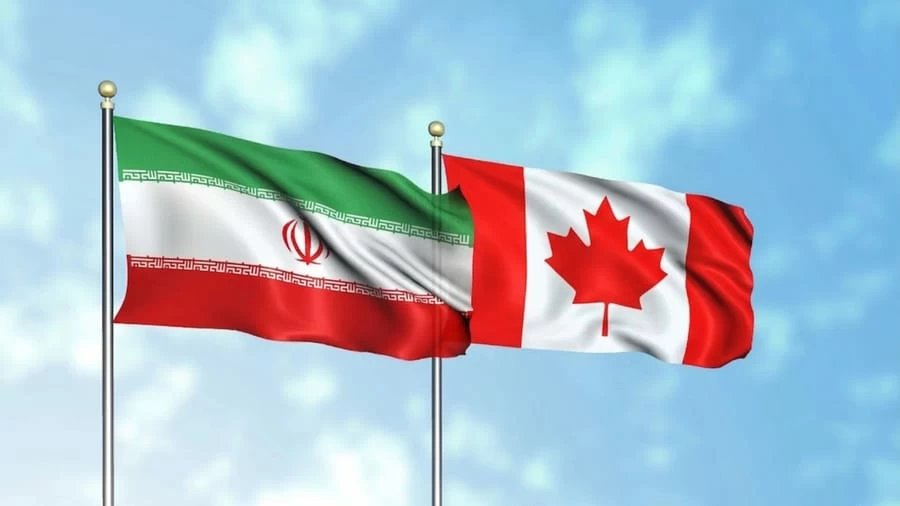
أعلنت وزيرة الخارجية الكندية، أنيتا أناند، اليوم (الثلاثاء)، إعادة فرض العقوبات على 11 كياناً إيرانياً، بموجب لوائح التدابير الاقتصادية الخاصة المتعلقة بإيران، على خلفية مساهمة هذه الكيانات في دعم الأنشطة النووية الإيرانية الحساسة من حيث الانتشار النووي، وبرنامج الصواريخ الباليستية، أو تمويل ما وصفته أوتاوا بالأنشطة الإيرانية الخبيثة.
وأوضحت وزارة الخارجية الكندية أن القرار يأتي في إطار تشديد القيود على مصادر التمويل والتكنولوجيا التي يمكن أن تسهم في تطوير القدرات النووية الإيرانية، والحد من قدرة طهران على الوصول إلى التقنيات الحساسة والموارد المالية المرتبطة ببرنامجها النووي.
وأشارت الوزارة إلى أن كندا كانت قد رفعت العقوبات عن هذه الكيانات في عام 2016، تقديراً للتقدم الذي أحرزته إيران في إطار خطة العمل الشاملة المشتركة لعام 2015، المعروفة باسم الاتفاق النووي الإيراني، والتي تضمنت تدابير تهدف إلى ضمان اقتصار البرنامج النووي الإيراني على الأغراض السلمية.
وجاء قرار رفع العقوبات آنذاك متماشياً مع خطوات اتخذها شركاء كندا الدوليون، عقب سماح إيران بتنفيذ أنشطة التحقق والرقابة، واتخاذها إجراءات لتقييد برنامجها النووي وفقاً للالتزامات المنصوص عليها في الاتفاق.
لكن أوتاوا أكدت أن تكرار إخفاق إيران في التعاون مع الوكالة الدولية للطاقة الذرية منذ ذلك الحين أدى إلى تصاعد المخاوف الدولية بشأن طبيعة أنشطتها النووية، الأمر الذي دفعها إلى إعادة فرض العقوبات على الكيانات الـ11.
وأضافت أن هذه الخطوة تتماشى مع جهود شركائها الدوليين الرامية إلى تفكيك شبكات التمويل الإيرانية الداعمة للبرنامج النووي، وتوجيه رسالة واضحة برفض تمويل الأنشطة النووية الحساسة وتطويرها وتوسيع نطاقها، من خلال فرض مزيد من القيود على وصول إيران إلى التكنولوجيا المتقدمة والتمويل.
ويتزامن الإعلان عن العقوبات الجديدة مع اجتماع وزراء خارجية مجموعة السبع المنعقد في العاصمة الفرنسية باريس، في خطوة تعكس تنسيق الموقف الكندي مع شركائها في المجموعة والمجتمع الدولي، لممارسة مزيد من الضغوط على طهران ودفعها إلى الالتزام بتعهداتها الدولية، واستئناف تعاونها الكامل والفوري مع الوكالة الدولية للطاقة الذرية، والعودة إلى طاولة المفاوضات.
أنيتا أناند: لن نسمح لإيران بامتلاك سلاح نووي
وفي تعليقها على القرار، أكدت وزيرة الخارجية الكندية أنيتا أناند، أن موقف بلادها تجاه البرنامج النووي الإيراني واضح وحاسم، مشددة على ضرورة منع إيران من امتلاك سلاح نووي.
وقالت أناند: «موقف كندا لا لبس فيه: يجب ألا يُسمح لإيران أبداً بالحصول على سلاح نووي. وسنواصل العمل مع شركائنا في مجموعة السبع والمجتمع الدولي من أجل التوصل إلى اتفاق شامل وقابل للتحقق ومستدام، يعالج البرنامج النووي الإيراني ويعزز الأمن الإقليمي والدولي».
أكثر من 500 شخصية وكيان إيراني خاضعة للعقوبات الكندية
وفيما يتعلق بحصيلة العقوبات الكندية المفروضة على إيران، أوضحت وزارة الخارجية أن كندا فرضت، منذ عام 2010، عقوبات على أكثر من 500 شخصية وكيان إيراني، استناداً إلى قانون التدابير الاقتصادية الخاصة، وقانون تحقيق العدالة لضحايا المسؤولين الأجانب الفاسدين، المعروف أيضاً باسم «قانون سيرغي ماغنيتسكي».
وأضافت الوزارة أن إعلان اليوم يرفع إجمالي جولات العقوبات الكندية المرتبطة بإيران إلى 25 جولة، شملت حتى الآن 237 شخصية إيرانية و276 كياناً إيرانياً، بموجب عدد من الأطر القانونية، من بينها لوائح التدابير الاقتصادية الخاصة المتعلقة بإيران، ولوائح التدابير الاقتصادية الخاصة المرتبطة بالهجمات الإرهابية لحركة حماس، ولوائح التدابير الاقتصادية الخاصة المتعلقة بروسيا، فضلاً عن قانون تحقيق العدالة لضحايا المسؤولين الأجانب الفاسدين.
وتؤكد الخطوة الأخيرة استمرار توجه كندا نحو تشديد الضغوط الاقتصادية والدبلوماسية على إيران، بالتنسيق مع حلفائها الدوليين، بهدف الحد من الأنشطة المرتبطة ببرنامجها النووي والصاروخي، ودفعها إلى استئناف التعاون مع المؤسسات الدولية والعودة إلى المسار التفاوضي.
The Canadian Foreign Minister, Anita Anand, announced today (Tuesday) the re-imposition of sanctions on 11 Iranian entities under the Special Economic Measures Regulations related to Iran, due to these entities’ contributions to supporting Iran’s sensitive nuclear proliferation activities, ballistic missile program, or financing what Ottawa described as malign Iranian activities.
The Canadian Ministry of Foreign Affairs clarified that the decision comes as part of tightening restrictions on sources of funding and technology that could contribute to the development of Iran’s nuclear capabilities, and to limit Tehran’s access to sensitive technologies and financial resources associated with its nuclear program.
The ministry noted that Canada had lifted sanctions on these entities in 2016, in recognition of the progress Iran had made under the Joint Comprehensive Plan of Action of 2015, known as the Iranian nuclear deal, which included measures aimed at ensuring that Iran’s nuclear program was limited to peaceful purposes.
The decision to lift the sanctions at that time was in line with steps taken by Canada’s international partners, following Iran’s allowance of verification and monitoring activities and its actions to constrain its nuclear program in accordance with the commitments outlined in the agreement.
However, Ottawa confirmed that Iran’s repeated failures to cooperate with the International Atomic Energy Agency since then have led to increased international concerns about the nature of its nuclear activities, prompting it to re-impose sanctions on the 11 entities.
It added that this step aligns with the efforts of its international partners to dismantle Iranian financing networks supporting the nuclear program, and to send a clear message rejecting the funding, development, and expansion of sensitive nuclear activities by imposing further restrictions on Iran’s access to advanced technology and financing.
The announcement of the new sanctions coincides with a meeting of the G7 foreign ministers held in the French capital, Paris, reflecting Canada’s coordinated stance with its partners in the group and the international community to exert further pressure on Tehran and push it to adhere to its international commitments, resume its full and immediate cooperation with the International Atomic Energy Agency, and return to the negotiating table.
Anita Anand: We will not allow Iran to possess nuclear weapons
Commenting on the decision, Canadian Foreign Minister Anita Anand emphasized that her country’s position on the Iranian nuclear program is clear and decisive, stressing the necessity of preventing Iran from acquiring nuclear weapons.
Anand stated, “Canada’s position is unequivocal: Iran must never be allowed to obtain nuclear weapons. We will continue to work with our partners in the G7 and the international community to reach a comprehensive, verifiable, and sustainable agreement that addresses the Iranian nuclear program and enhances regional and international security.”
Over 500 Iranian individuals and entities are subject to Canadian sanctions
Regarding the tally of Canadian sanctions imposed on Iran, the Ministry of Foreign Affairs explained that Canada has imposed sanctions on more than 500 Iranian individuals and entities since 2010, based on the Special Economic Measures Act and the Justice for Victims of Corrupt Foreign Officials Act, also known as the “Sergei Magnitsky Act.”
The ministry added that today’s announcement raises the total number of Canadian sanctions rounds related to Iran to 25, which have so far included 237 Iranian individuals and 276 Iranian entities, under several legal frameworks, including the Special Economic Measures Regulations related to Iran, the Special Economic Measures Regulations related to the terrorist attacks by Hamas, the Special Economic Measures Regulations related to Russia, as well as the Justice for Victims of Corrupt Foreign Officials Act.
The latest step reaffirms Canada’s ongoing approach to intensifying economic and diplomatic pressure on Iran, in coordination with its international allies, aiming to limit activities related to its nuclear and missile programs and to push it to resume cooperation with international institutions and return to the negotiating path.