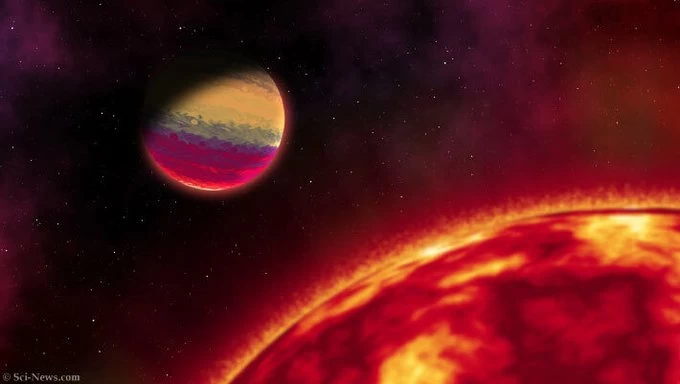
في ظاهرة فلكية نادرة أثارت اهتمام العلماء، اختفى كوكب خارج المجموعة الشمسية من مجال الرصد بعد سبع سنوات من متابعته، بعدما تغير مسار مداره بصورة جعلت عبوره أمام نجمه غير مرئي من الأرض، وسط ترجيحات بأن جاذبية كوكب آخر غير مكتشف تقف وراء الظاهرة.
ويحمل الكوكب اسم «TOI-2535 b»، ويقع على بعد نحو ألف سنة ضوئية من الأرض، وينتمي إلى فئة «المشتري الحار»، وهي كواكب غازية عملاقة تدور على مسافات قريبة جدا من نجومها، وتستغرق دورته حول نجمه نحو 8.25 أيام فقط.
ورصد القمر الاصطناعي التابع لوكالة الفضاء الأمريكية «ناسا» والمخصص لمسح الكواكب العابرة «TESS» الكوكب عام 2019، وظل العلماء يتابعون عبوره أمام نجمه على مدار السنوات التالية، قبل أن تكشف البيانات عن تغيرات غير معتادة انتهت بتوقف رصد هذه الظاهرة تماما في عام 2026.
وبدأت المؤشرات الغريبة تظهر في مواعيد عبور الكوكب، إذ كان يمر أمام نجمه في أوقات تسبق الموعد المتوقع أو تتأخر عنه بما يصل إلى ست ساعات، كما أصبحت فترات العبور أقصر والإشارات الدالة عليه أقل وضوحا، إلى أن اختفت تماما من عمليات الرصد.
لكن العلماء لا يرجحون أن الكوكب اختفى فعليا أو تعرض للتدمير، وإنما يعتقدون أن مداره تغير بفعل تأثير جاذبية كوكب آخر قريب لم يتمكنوا من رصده حتى الآن، ما أدى إلى ميل مستوى مداره وخروجه تدريجيا من زاوية الرؤية التي تسمح بملاحظة مروره أمام نجمه.
ووفقا للدراسة التي نشرها باحثون في دورية «The Astrophysical Journal Letters» في 9 نوفمبر الجاري، فإن الكوكبين يؤثر كل منهما في حركة الآخر بفعل الجاذبية، ما يؤدي إلى تمايل مداريهما بصورة تشبه حركة البلبل أثناء دورانه، ويغير الزاوية التي يتحركان بها بالنسبة إلى الأرض.
وقال صامويل يي، الباحث المشارك في الدراسة، إن العلماء يميلون عادة إلى تصور الكون باعتباره منظومة تتحرك بانتظام مثل آلية الساعة، لكن وجود عدة كواكب في نظام واحد يسمح لكل منها بالتأثير في مدارات الأخرى.
وأضاف أن النظام المكتشف يمثل الحالة الأكثر تطرفا التي رصدها الباحثون حتى الآن من حيث قوة التفاعل بين الكواكب، موضحا أن ميل مدار الكوكب تغير بسرعة كبيرة إلى درجة أن عبوره أمام نجمه اختفى خلال فترة مراقبته.
وتعتمد طريقة رصد الكواكب العابرة على قياس التراجع الطفيف في سطوع النجم عندما يمر كوكب أمام قرصه، وهي تقنية لا تكشف الكوكب إلا إذا اصطف مداره مع خط الرؤية من الأرض. ولذلك، فإن تغير زاوية المدار قد يجعل الكوكب غير قابل للرصد بهذه الطريقة، حتى لو استمر في الدوران حول نجمه بصورة طبيعية.
وتشبه هذه الآلية ما يحدث في ظاهرة كسوف الشمس على الأرض؛ فلو كان مدار القمر متوافقا تماما مع مستوى دوران الأرض حول الشمس، لحدث الكسوف بصورة منتظمة كل شهر تقريبا، لكن ميل مدار القمر يجعل اصطفاف الشمس والأرض والقمر على خط واحد أمرا غير متكرر.
ويتوقع الباحثون أن يعود الكوكب «TOI-2535 b» إلى مجال الرصد خلال فترة تتراوح بين 30 و50 عاما، عندما تسمح حركة مداره مجددا بعبوره أمام نجمه من منظور الأرض، بينما قد يتمكن العلماء من رصد الكوكب الآخر المسؤول عن اضطراب مداره في وقت أقرب، إذا أصبح مساره مناسبا للمشاهدة.
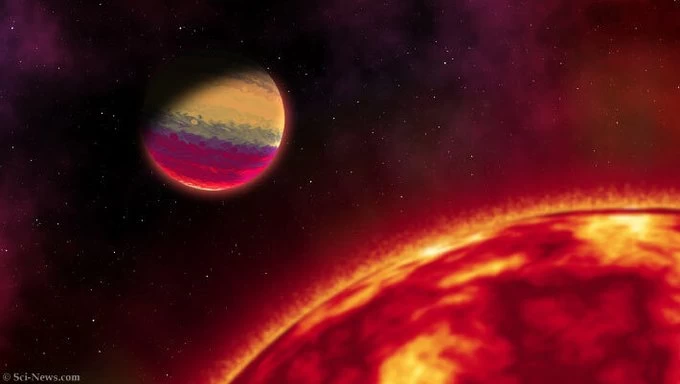
In a rare astronomical phenomenon that has captured the attention of scientists, an exoplanet has disappeared from the observation field after seven years of monitoring, as its orbital path changed in a way that made its transit in front of its star invisible from Earth, amid suggestions that the gravity of another undiscovered planet is behind the phenomenon.
The planet is named “TOI-2535 b,” located about a thousand light-years from Earth, and belongs to the category of “hot Jupiters,” which are giant gas planets that orbit very close to their stars, taking about 8.25 days to complete a revolution around their star.
The artificial satellite from NASA, designated for surveying transiting planets, “TESS,” observed the planet in 2019, and scientists continued to monitor its transit in front of its star over the following years, until data revealed unusual changes that culminated in the complete cessation of this phenomenon’s observation in 2026.
Strange indicators began to appear in the timings of the planet’s transits, as it would pass in front of its star either earlier or later than the expected time by up to six hours, and the transit durations became shorter with less clear signals, until they completely disappeared from observation efforts.
However, scientists do not believe that the planet has actually disappeared or been destroyed; rather, they think its orbit has changed due to the gravitational influence of another nearby planet that they have not yet been able to observe, causing the tilt of its orbital plane and gradually moving it out of the line of sight that allows for the observation of its transit in front of its star.
According to a study published by researchers in the journal “The Astrophysical Journal Letters” on November 9, the two planets influence each other’s movements due to gravity, leading to their orbital wobble in a manner similar to the motion of a spinning top, altering the angle at which they move relative to Earth.
Samuel Yee, a co-researcher in the study, stated that scientists usually tend to envision the universe as a system that moves regularly like a clock mechanism, but the presence of multiple planets in one system allows each to influence the orbits of the others.
He added that the discovered system represents the most extreme case observed by researchers so far in terms of the strength of interaction between the planets, explaining that the tilt of the planet’s orbit changed so rapidly that its transit in front of its star disappeared during the observation period.
The method of observing transiting planets relies on measuring the slight dip in the brightness of the star when a planet passes in front of its disk, a technique that only reveals the planet if its orbit aligns with the line of sight from Earth. Therefore, a change in the orbital angle may render the planet unobservable in this way, even if it continues to orbit its star normally.
This mechanism is similar to what happens during a solar eclipse on Earth; if the moon’s orbit were perfectly aligned with the Earth’s orbit around the sun, eclipses would occur regularly almost every month, but the tilt of the moon’s orbit makes the alignment of the sun, Earth, and moon in a straight line a rare occurrence.
Researchers expect that the planet “TOI-2535 b” will return to the observation field within a period of 30 to 50 years, when its orbital movement again allows it to transit in front of its star from Earth’s perspective, while scientists may be able to observe the other planet responsible for the disruption of its orbit sooner if its path becomes suitable for viewing.