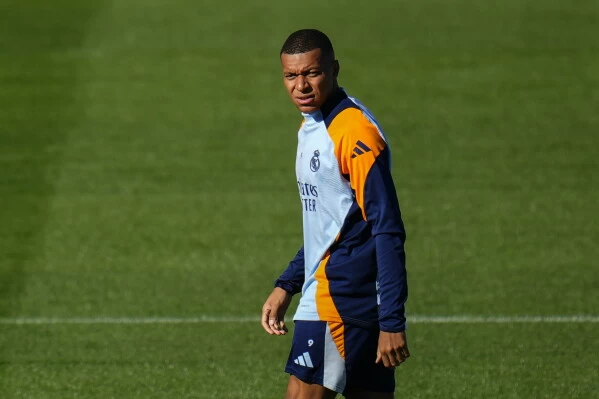
في فالديبيباس، لم يعد الجهاز الطبي لريال مدريد يكتفي بمتابعة اللاعبين داخل الملعب أو غرف العلاج؛ إذ يعمل على بناء نسخة افتراضية لكل لاعب، تعرف تفاصيل جسده وتساعد على توقع احتياجاته البدنية قبل ظهور المشكلات.
وتحمل التقنية اسم «التوأم الرقمي للرياضي»، وهي نموذج يجمع البيانات الطبية والفسيولوجية والحركية وأحمال التدريب، ويوظفها لتحليل استجابة اللاعب للجهد وتحديد احتياجاته الفردية. وأوضح المستشار الطبي للنادي، الدكتور نيكو ميهيتش، لصحيفة «آس» الإسبانية، أن هذه البيانات قد تكشف نقصاً في الحديد أو فيتامين «د» أو حمض الفوليك، بما يساعد على تحسين الحالة الصحية والجاهزية البدنية.
وتتغذى النسخة الرقمية على معلومات متنوعة تشمل أنماط الحركة، والنوم وجودته، والتغذية، والمؤشرات الحيوية. ولا يتوقف دورها عند رصد الأرقام؛ إذ يحلل الذكاء الاصطناعي طريقة الركض والارتكاز وتوزيع الأحمال، ويرصد التغيرات التي تطرأ على حركة اللاعب بعد الإصابة، مثل اعتماده على ساق أكثر من الأخرى، لتحديد الاختلالات التي قد تزيد احتمالات تعرضه لإصابة جديدة.
ويمثل المشروع امتداداً لمسيرة تقنية بدأت عام 2008 بإطلاق «Madrid TEC» بالتعاون مع معهد ماساتشوستس للتكنولوجيا، وتواصلت عام 2015 بإدخال أجهزة الجري المضادة للجاذبية. كما استقطبت تقنيات الإعداد البدني اهتمام وكالة ناسا، التي زار ممثل عنها منشآت النادي عام 2009، فيما تبلغ تكلفة جهاز قياس استهلاك الأكسجين المستخدم في الاختبارات نحو 30 ألف يورو.
وبهذه المنظومة، يسعى ريال مدريد إلى الانتقال من التعامل مع الإصابات بعد وقوعها إلى قراءة المؤشرات التي تسبقها، وتخصيص التدريب والتغذية والتأهيل لكل لاعب، في محاولة للحفاظ على جاهزيته وتقليل فترات غيابه عن الملاعب.
In Valdebebas, Real Madrid’s medical staff no longer just monitors players on the field or in treatment rooms; they are working on building a virtual version of each player, which knows the details of their body and helps predict their physical needs before problems arise.
The technology is called “the digital twin of the athlete,” which is a model that combines medical, physiological, and movement data along with training loads, and employs this information to analyze the player’s response to exertion and determine their individual needs. The club’s medical advisor, Dr. Niko Mihic, explained to the Spanish newspaper “AS” that this data can reveal deficiencies in iron, vitamin D, or folic acid, which helps improve health status and physical readiness.
The digital version is fed with diverse information including movement patterns, sleep and its quality, nutrition, and vital signs. Its role does not stop at monitoring numbers; artificial intelligence analyzes the running technique, balance, and load distribution, and detects changes in the player’s movement after an injury, such as reliance on one leg more than the other, to identify imbalances that may increase the likelihood of a new injury.
The project represents an extension of a technological journey that began in 2008 with the launch of “Madrid TEC” in collaboration with the Massachusetts Institute of Technology, and continued in 2015 with the introduction of anti-gravity running machines. Additionally, physical preparation technologies attracted the interest of NASA, whose representative visited the club’s facilities in 2009, while the cost of the oxygen consumption measurement device used in tests is around 30,000 euros.
With this system, Real Madrid aims to shift from dealing with injuries after they occur to reading the indicators that precede them, customizing training, nutrition, and rehabilitation for each player, in an attempt to maintain their readiness and reduce their time away from the pitch.