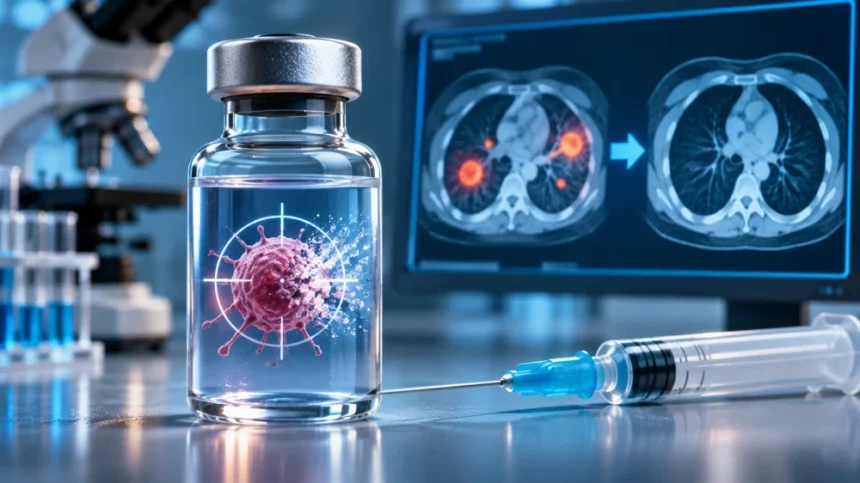
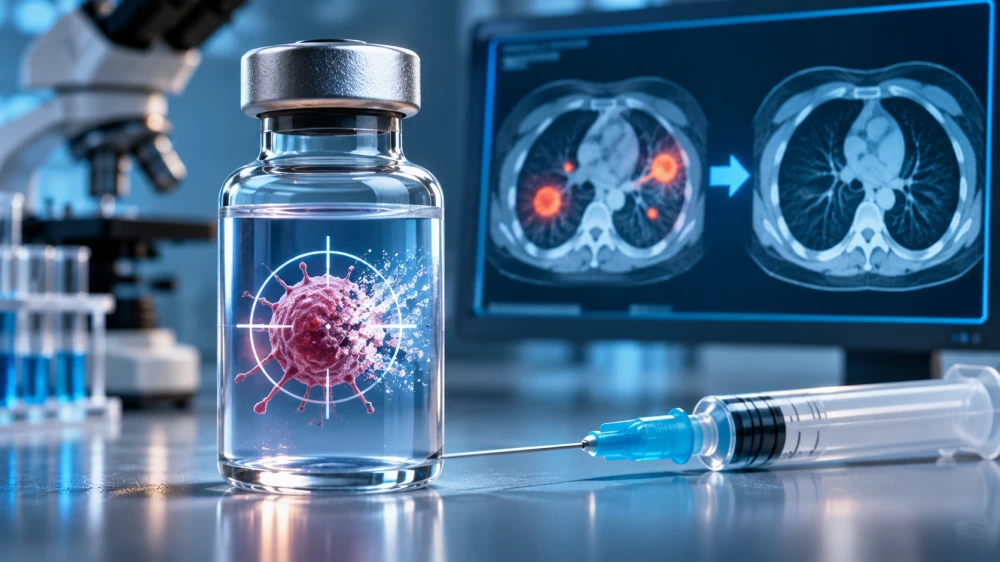
أعلن المدير العلمي لمركز «غاماليا» الروسي للأبحاث، ألكسندر غينتسبورغ، تحقيق نتائج أولية مشجعة في علاج أول مريض تلقى اللقاح الروسي التجريبي المضاد للسرطان «نيوأونكوفاك» (NeoOncovac)، بعد اختفاء النقائل السرطانية لديه وعدم رصد أي أورام جديدة خلال أربعة أشهر من المتابعة الطبية.
وأوضح غينتسبورغ، في تصريحات نقلتها وسائل إعلام روسية، أن المريض الذي يعاني من سرطان الجلد الميلانيني، أكمل دورة العلاج باللقاح المطوّر باستخدام تقنية الحمض النووي الريبي المرسال (mRNA)، مشيراً إلى أن الفحوصات الطبية لم تكشف عن ظهور أورام جديدة، فيما اختفت النقائل السرطانية التي كانت موجودة سابقاً.
وأشار إلى أن المريض، البالغ من العمر 60 عاماً، بدأ تلقي العلاج في أبريل الماضي، ويخضع حالياً لفحوصات شهرية دقيقة باستخدام التصوير المقطعي المحوسب عالي الدقة، مع التركيز على العقد اللمفاوية ومختلف أعضاء الجسم، على أن تستمر متابعته الطبية لمدة ثلاث سنوات.
وأكد العالم الروسي أن اختفاء النقائل وعدم اكتشاف أورام جديدة لا يعنيان الشفاء النهائي من المرض، موضحاً أن التأكد من التعافي الكامل من السرطان يتطلب متابعة تمتد إلى خمس سنوات.
ويعتمد اللقاح الروسي على تقنية «mRNA»، ويُصمَّم بصورة شخصية لكل مريض وفق الخصائص الجينية للورم، بهدف تحفيز جهاز المناعة على التعرف على الخلايا السرطانية ومهاجمتها.
وكشف غينتسبورغ أن ستة مرضى تلقوا اللقاح حتى الآن، فيما وصل المريض الثاني إلى منتصف دورة علاجية تتضمن عشر جرعات، وسط خطط لعلاج 20 مريضاً بحلول نهاية العام الحالي في معهد «هيرتسن» للأورام بموسكو.
ورغم النتائج الأولية المشجعة، لا تزال فعالية اللقاح وسلامته على المدى الطويل بحاجة إلى مزيد من الدراسات والبيانات السريرية على أعداد أكبر من المرضى، قبل إمكانية تعميم استخدامه علاجياً.
The scientific director of the Russian “Gamaliya” Research Center, Alexander Gintsburg, announced encouraging preliminary results in the treatment of the first patient who received the experimental Russian cancer vaccine “NeoOncovac,” after the disappearance of his cancer metastases and the absence of any new tumors during four months of medical follow-up.
Gintsburg explained, in statements reported by Russian media, that the patient, who suffers from melanoma skin cancer, completed a treatment course with the vaccine developed using messenger RNA (mRNA) technology, noting that medical examinations did not reveal the emergence of new tumors, while the previously existing cancer metastases disappeared.
He pointed out that the 60-year-old patient began receiving treatment last April and is currently undergoing precise monthly examinations using high-resolution computed tomography, focusing on the lymph nodes and various organs of the body, with medical follow-up expected to continue for three years.
The Russian scientist confirmed that the disappearance of metastases and the non-discovery of new tumors do not mean a definitive cure from the disease, explaining that confirming complete recovery from cancer requires monitoring that extends to five years.
The Russian vaccine relies on “mRNA” technology and is designed specifically for each patient according to the genetic characteristics of the tumor, aiming to stimulate the immune system to recognize and attack cancer cells.
Gintsburg revealed that six patients have received the vaccine so far, while the second patient has reached the midpoint of a treatment course that includes ten doses, with plans to treat 20 patients by the end of this year at the “Hertsen” Institute of Oncology in Moscow.
Despite the encouraging preliminary results, the vaccine’s effectiveness and safety in the long term still require further studies and clinical data on larger numbers of patients before it can be widely used therapeutically.