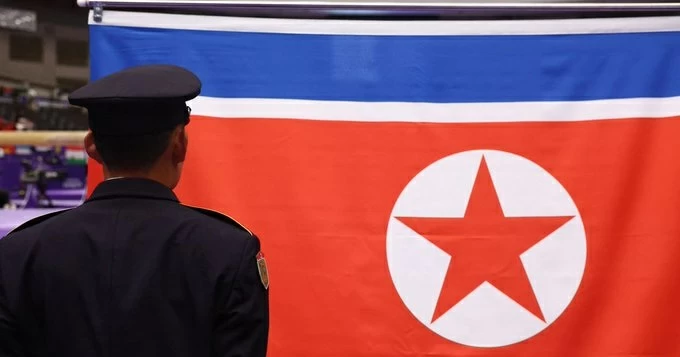
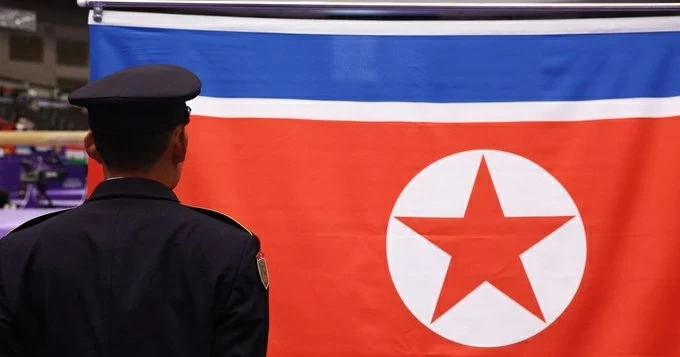
أدخلت كوريا الشمالية تعديلاً دستورياً لتغيير أبعاد علمها الوطني للمرة الأولى منذ تأسيس الدولة عام 1948، في خطوة أبقت على التصميم والرموز الأساسية للعلم، لكنها قلّصت امتداده الأفقي بعد نحو 78 عاماً من اعتماد النسبة السابقة.
ووفقاً للدستور المعدل المنشور على الموقع الإلكتروني «ناينارا»، التابع لبيونغ يانغ، تنص المادة 166 على أن نسبة ارتفاع العلم إلى عرضه أصبحت 1 إلى 1.65، بدلاً من النسبة السابقة البالغة 1 إلى 2، ما يعني أن العلم أصبح أقل امتداداً أفقياً مقارنة بارتفاعه.
ونقلت وكالة الأنباء الكورية الجنوبية «يونهاب» أن هذه هي المرة الأولى التي تتغير فيها النسبة الرسمية لأبعاد العلم منذ قيام النظام الكوري الشمالي عام 1948، مشيرة إلى أن النسبة القديمة ظلت ثابتة حتى التعديل الدستوري الذي أقر في سبتمبر 2023.
ورغم التغيير في الأبعاد، احتفظ العلم الكوري الشمالي بتصميمه التقليدي، الذي يتكون من شريط أحمر عريض في الوسط، يحيط به شريطان أبيضان رفيعان، وشريطان أزرقان في الأعلى والأسفل، إلى جانب نجمة حمراء خماسية داخل دائرة بيضاء تقع بالقرب من جهة السارية.
ولا يقتصر العلم، وفقاً للتفسير الوارد في الدستور الكوري الشمالي، على كونه رمزاً للدولة، بل يحمل دلالات أيديولوجية وتاريخية مرتبطة بتاريخ تأسيس النظام الحاكم؛ إذ يرمز الشريط الأحمر إلى دماء المقاتلين الذين خاضوا النضال ضد الاستعمار الياباني بين عامي 1910 و1945 دفاعاً عن حرية البلاد واستقلالها.
أما الدائرة البيضاء والشريطان الأبيضـان، فيرمزان، بحسب التفسير الرسمي، إلى ولاء الشعب لزعيم البلاد وحزب العمال الكوري الحاكم، بينما تعكس الخطوط الزرقاء الروح الثورية للشعب في النضال من أجل السلام والصداقة والوحدة العالمية، إلى جانب سيادة الدولة.
ويأتي تعديل أبعاد العلم في وقت تشهد فيه كوريا الشمالية تغييرات أوسع في توجهاتها الدستورية والسياسية تحت قيادة الزعيم كيم جونغ أون، الذي يسعى إلى ترسيخ نهج حكم وهوية وطنية خاصة به، مع الاحتفاظ ببعض الرموز والإرث السياسي لأسلافه.
وشملت هذه التغييرات تعديلات دستورية أُقرت خلال عام 2026، تضمنت إعادة تعريف أراضي الدولة وحذف الإشارات إلى إعادة توحيد الكوريتين، في انعكاس لتحول بيونغ يانغ نحو تكريس التعامل مع الكوريتين باعتبارهما دولتين منفصلتين، وليس شعباً واحداً يسعى إلى الوحدة.
وسبق ذلك تعديل كلمات النشيد الوطني وإقرار قانون خاص به في أكتوبر 2024، في خطوة ربطها مراقبون بتوجه كيم جونغ أون لإعادة تشكيل الرموز الوطنية بما يتماشى مع رؤيته الجديدة للعلاقات بين الكوريتين.
North Korea has introduced a constitutional amendment to change the dimensions of its national flag for the first time since the establishment of the state in 1948, in a move that retains the design and basic symbols of the flag, but reduces its horizontal extension after nearly 78 years of the previous ratio.
According to the amended constitution published on the “Nainara” website affiliated with Pyongyang, Article 166 states that the ratio of the flag’s height to its width has become 1 to 1.65, instead of the previous ratio of 1 to 2, meaning that the flag has become less horizontally extended compared to its height.
The South Korean news agency “Yonhap” reported that this is the first time the official ratio of the flag’s dimensions has changed since the establishment of the North Korean regime in 1948, noting that the old ratio remained unchanged until the constitutional amendment approved in September 2023.
Despite the change in dimensions, the North Korean flag has retained its traditional design, which consists of a wide red stripe in the center, surrounded by two thin white stripes, and blue stripes at the top and bottom, along with a red five-pointed star inside a white circle located near the hoist side.
According to the interpretation provided in the North Korean constitution, the flag is not only a symbol of the state but also carries ideological and historical connotations related to the history of the establishment of the ruling regime; the red stripe symbolizes the blood of the fighters who struggled against Japanese colonialism between 1910 and 1945 in defense of the country’s freedom and independence.
The white circle and the two white stripes symbolize, according to the official interpretation, the loyalty of the people to the country’s leader and the ruling Workers’ Party of Korea, while the blue lines reflect the revolutionary spirit of the people in the struggle for peace, friendship, and global unity, alongside the sovereignty of the state.
The amendment of the flag’s dimensions comes at a time when North Korea is witnessing broader changes in its constitutional and political orientations under the leadership of Kim Jong Un, who seeks to establish a governance approach and a national identity of his own while retaining some symbols and the political legacy of his predecessors.
These changes included constitutional amendments approved during 2026, which involved redefining the state’s territory and removing references to the reunification of the two Koreas, reflecting Pyongyang’s shift towards treating the two Koreas as separate states rather than one people striving for unity.
This was preceded by an amendment to the national anthem’s lyrics and the approval of a specific law for it in October 2024, a move observers linked to Kim Jong Un’s direction to reshape national symbols in line with his new vision for relations between the two Koreas.