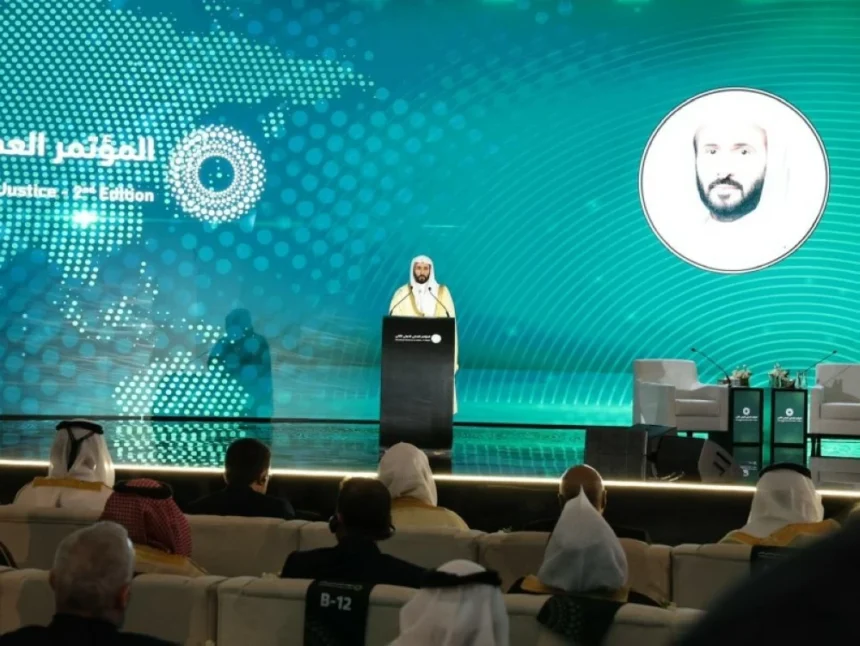
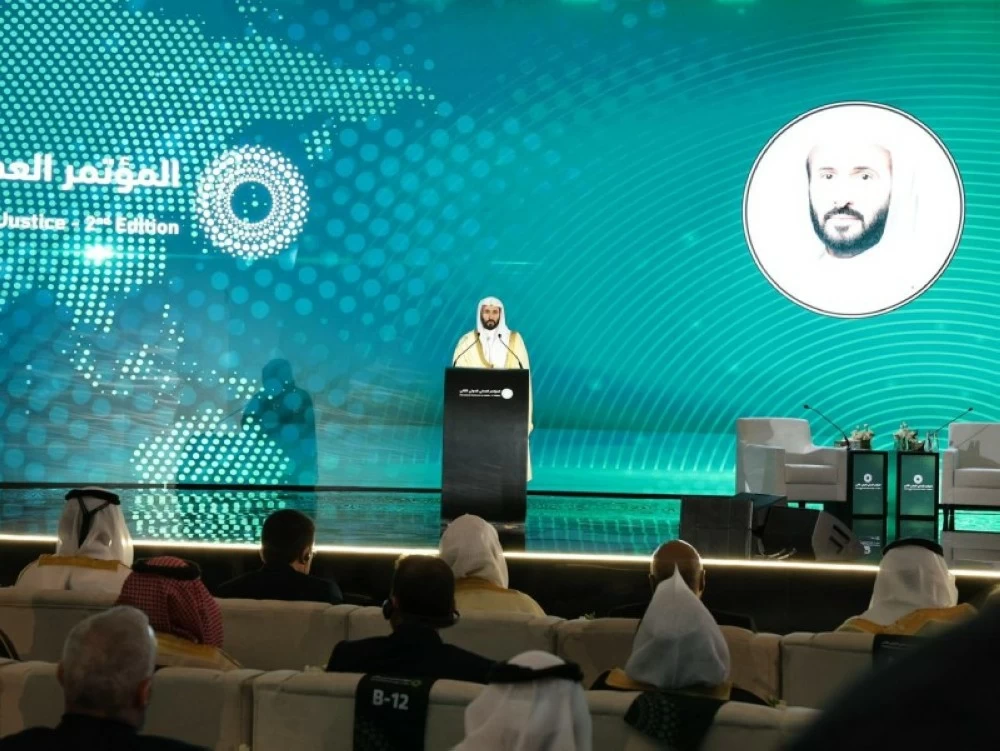
أكد وزير العدل الدكتور وليد الصمعاني، في كلمته خلال افتتاح المؤتمر العدلي، أن القطاع العدلي واكب التحولات المتسارعة التي يشهدها العالم؛ نتيجة الدعم غير المحدود من خادم الحرمين، وولي العهد، الذي رسخ منظومة عدلية تعلي قيم العدالة وتصون الحقوق.
وأوضح الوزير الصمعاني أن انعقاد المؤتمر في نسخته الثانية تحت عنوان «الجودة القضائية» يأتي امتداداً لما شهدته نسخته الأولى من نقاشات ورؤى ثرية حول مستقبل العدالة في ظل التحول الرقمي.
وفي سياق حديثه، أكد أن نسبة التنبؤ بالأحكام القضائية زادت أكثر من 70% بحسب مؤشرات وزارة العدل، وأن الجودة القضائية أصبحت معياراً أساسياً لقياس كفاءة المنظومات العدلية وأحد العناصر الداعمة لبيئة اقتصادية واستثمارية جاذبة، تُسهم في دعم مسيرة التنمية المستدامة.
وأضاف الدكتور الصمعاني أن مفهوم الجودة القضائية لا يقتصر على مخرجات العمل القضائي فقط، بل يشمل مختلف الجوانب المرتبطة بالعملية القضائية موضوعياً وإجرائياً وتشغيلياً.
وأكد وزير العدل أن المؤتمر العدلي الدولي الثاني يناقش مفهوم الجودة القضائية وسبل تعزيزها، بما يسهم في دعم مسيرة التنمية المستدامة ورفع كفاءة المنظومة العدلية في المملكة.
وأوضح الوزير الصمعاني أن القطاع العدلي، بدعم القيادة، نجح في مواكبة التحولات العالمية المتسارعة، وتحقيق نقلة نوعية في الخدمات الرقمية.
وأشار إلى أن المملكة وصلت اليوم إلى مرحلة يتم فيها تقديم الدعوى وإصدار الأحكام إلكترونياً بالكامل عبر منظومة التقاضي الرقمي.
وبيّن الصمعاني أن جميع جلسات التقاضي أصبحت موثقة صوتاً وصورة، ويحق للمتقاضين الاطلاع عليها بكل شفافية، ما يعزز الثقة في الإجراءات الحضورية والافتراضية على حد سواء.
ولفت إلى أن التطوير المستمر في الخدمات العدلية انعكس بشكل مباشر على رضا المستفيدين، حيث حقق القطاع رضاً تجاوز 90%، وهو ما يعد مؤشراً على تطور الخدمات وجودة الممارسات داخل المنظومة.
The Minister of Justice, Dr. Walid Al-Samaani, confirmed in his speech during the opening of the judicial conference that the judicial sector has kept pace with the rapid transformations occurring in the world, thanks to the unlimited support from the Custodian of the Two Holy Mosques and the Crown Prince, who have established a judicial system that upholds the values of justice and protects rights.
Minister Al-Samaani explained that the holding of the conference in its second edition under the title “Judicial Quality” is a continuation of the rich discussions and insights witnessed in its first edition regarding the future of justice in light of digital transformation.
In the context of his speech, he affirmed that the predictability rate of judicial rulings has increased by more than 70% according to indicators from the Ministry of Justice, and that judicial quality has become a fundamental criterion for measuring the efficiency of judicial systems and one of the supporting elements for an attractive economic and investment environment, contributing to the support of sustainable development.
Dr. Al-Samaani added that the concept of judicial quality is not limited to the outputs of judicial work only, but encompasses various aspects related to the judicial process both substantively, procedurally, and operationally.
The Minister of Justice confirmed that the second international judicial conference discusses the concept of judicial quality and ways to enhance it, contributing to supporting the path of sustainable development and raising the efficiency of the judicial system in the Kingdom.
Minister Al-Samaani clarified that the judicial sector, with the support of the leadership, has succeeded in keeping pace with rapid global transformations and achieving a qualitative leap in digital services.
He pointed out that the Kingdom has now reached a stage where lawsuits can be filed and rulings issued entirely electronically through the digital litigation system.
Al-Samaani indicated that all litigation sessions are now documented with audio and video, and litigants have the right to access them transparently, which enhances trust in both in-person and virtual procedures alike.
He noted that the continuous development in judicial services has directly reflected on the satisfaction of beneficiaries, as the sector has achieved a satisfaction rate exceeding 90%, which is an indicator of the development of services and the quality of practices within the system.