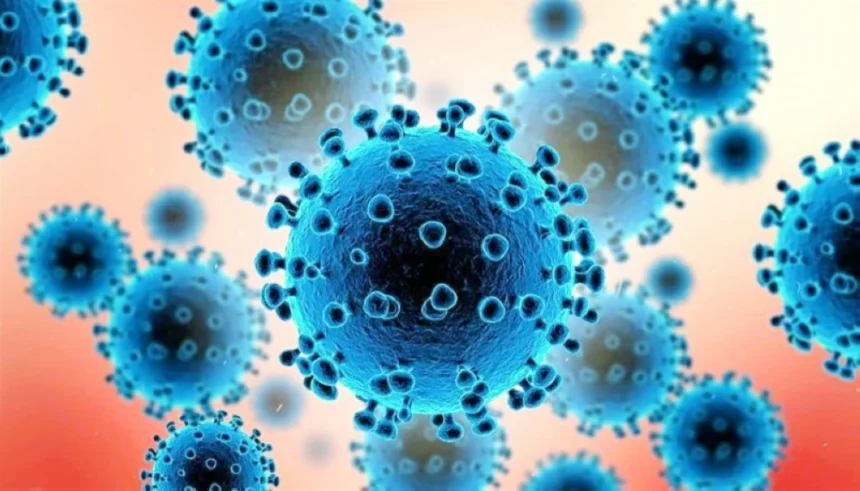
حذّرت منظمة الصحة العالمية من انتشار نوعين من الفايروسات، يُشكّلان تهديدًا متزايدًا للصحة العامة عالميًا، وفق بيانات أصدرتها الوكالة الصحية الدولية في تحديثات مراقبة الوباء الأخيرة، لما لهما من قدرة على الانتشار السريع وإحداث مضاعفات حادة، خصوصًا لدى الفئات ذات المناعة الضعيفة وكبار السن.
وأوضحت المنظمة، أن كلا الفايروسين يُسبّبان أمراضًا تنفسية شائعة في بداياتها، إلا أن بعض السلالات الأكثر تحورًا أظهرت قدرة أكبر على الانتقال بين الأشخاص، وهو ما رفع معدلات الإصابة في مناطق متعددة من العالم. وقد رصدت البيانات العلمية زيادة ملحوظة في أعداد الحالات التي تتطلب رعاية صحية متقدمة، بما في ذلك دخول المستشفيات، واحتياج بعض المرضى لأجهزة تنفس صناعي في الحالات الشديدة.
وقالت تقارير منظمة الصحة العالمية، إن انتشار هذه الفايروسات يعود جزئيًا إلى ارتفاع التجمعات السكانية، والتنقل الدولي المتزايد، وضعف المناعة لدى شريحة كبيرة من السكان، مما يسهم في تسريع انتقال العدوى. كما أشارت التقارير إلى أن الفايروسات نفسها يمكن أن تتطور أثناء انتقالها بين الأشخاص، ما قد يولّد سلالات أكثر مقاومة للعلاجات التقليدية، وهذا ما يزيد من أهمية الجهود الوقائية.
وشدّدت منظمة الصحة على أهمية التطعيمات الموسمية، والحفاظ على التباعد الاجتماعي في مواسم الانتشار، واتباع الممارسات الصحية الأساسية مثل غسل اليدين، وتغطية الفم عند السعال، وتجنّب الاتصال المباشر مع المرضى، للحفاظ على الصحة الفردية والجماعية. كما دعت الوكالة الصحية الدولية إلى تعزيز نظم الرصد الوبائي، والاستعداد لموجات جديدة محتملة من الإصابة، من خلال تجهيز المستشفيات وتوفير الأدوية الوقائية والمعدات الطبية.
The World Health Organization has warned of the spread of two types of viruses that pose an increasing threat to global public health, according to data released by the international health agency in its recent pandemic surveillance updates, due to their ability to spread rapidly and cause severe complications, especially among those with weakened immune systems and the elderly.
The organization explained that both viruses cause common respiratory illnesses in their early stages; however, some of the more mutated strains have shown a greater ability to transmit between individuals, which has raised infection rates in various regions of the world. Scientific data has observed a noticeable increase in the number of cases requiring advanced healthcare, including hospital admissions, with some patients needing ventilators in severe cases.
The World Health Organization’s reports indicated that the spread of these viruses is partly due to rising population densities, increased international travel, and weakened immunity among a large segment of the population, which contributes to the accelerated transmission of infections. The reports also noted that the viruses themselves can evolve while transmitting between individuals, potentially generating strains that are more resistant to traditional treatments, which increases the importance of preventive efforts.
The organization emphasized the importance of seasonal vaccinations, maintaining social distancing during outbreak seasons, and following basic health practices such as handwashing, covering the mouth when coughing, and avoiding direct contact with infected individuals to preserve individual and collective health. The international health agency also called for strengthening epidemic surveillance systems and preparing for potential new waves of infection by equipping hospitals and providing preventive medications and medical equipment.