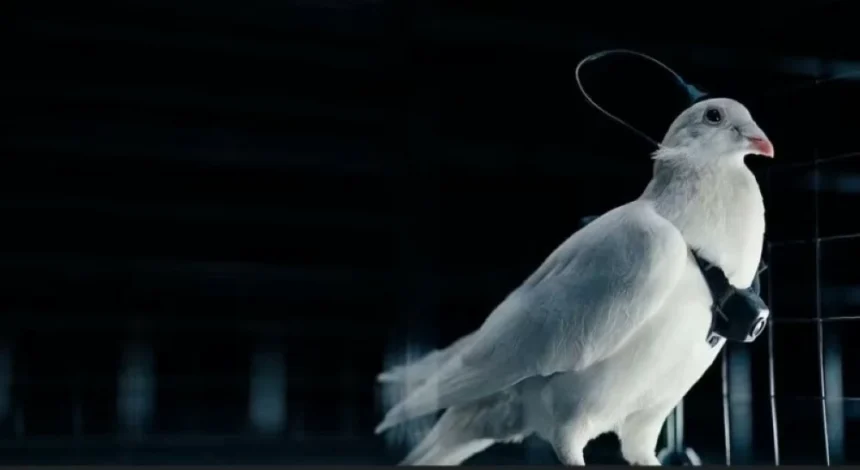
كشفت تقارير إعلامية مشروعا تقنيا روسيا مثيرا للجدل يهدف إلى تطوير شرائح إلكترونية تُزرع داخل أدمغة الطيور، وتحديدًا الحمام، لاستخدامها في مهمات المراقبة والتجسس، في خطوة قد تمثّل نقلة نوعية في أساليب الاستطلاع غير التقليدية.
شرائح عصبية في أدمغة الطيور
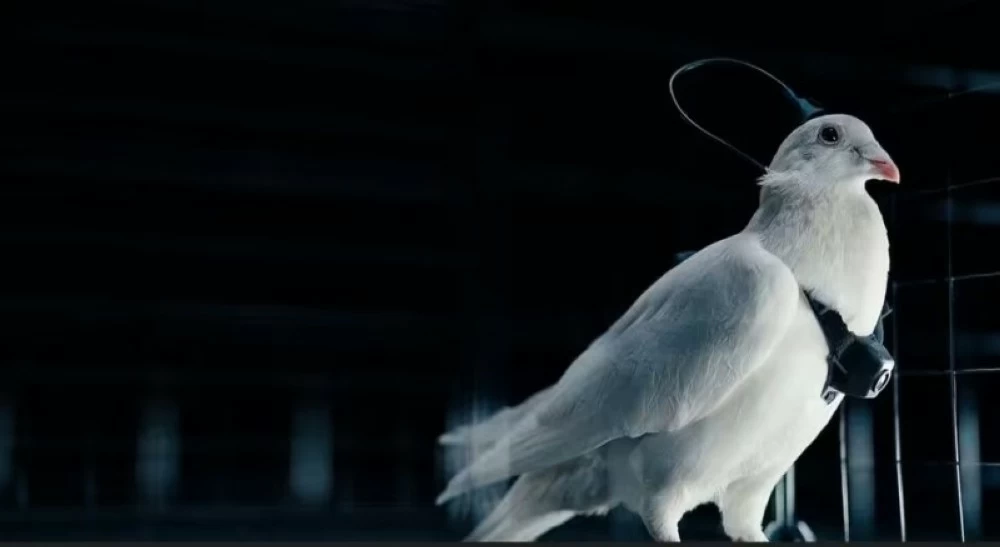
ويجري تطوير المشروع، الذي يحمل الاسم الرمزي PJN-1، بحسب موقع «express» من قبل شركة تكنولوجيا روسية ناشئة تحظى بدعم كبير من الكرملين، حيث يتم تزويد الطيور بشرائح عصبية مزروعة في الدماغ، إلى جانب كاميرات صغيرة تُثبت على أجسامها داخل وحدات تشبه «حقائب الظهر» المصغّرة.
وبحسب الشركة، تتيح هذه التقنية للمشغّلين إمكانية توجيه مسار طيران الطائر عند الحاجة، عبر تحفيز خفيف لمناطق محددة في الدماغ، ما يدفع الطائر إلى تفضيل اتجاه معيّن دون التأثير على سلوكه الطبيعي، وأوضحت أن الطائر يواصل الطيران بشكل طبيعي، بينما يقتصر دور النظام على إرشاده نحو مسار محدد مسبقًا.
حمام مزود بوحدة تحكم
وتشير الشركة Neiry Group إلى أن الاختبارات الأولية شملت حمامًا مزوّدًا بوحدة تحكّم صغيرة، وبألواح طاقة شمسية مثبتة على الظهر، إضافة إلى كاميرات مشابهة لتلك المستخدمة في أنظمة المراقبة العامة.
وأكدت أن أي صور يتم التقاطها تُعالج مباشرة على الجهاز نفسه، مع تصفية التفاصيل القابلة للتعرّف على الأشخاص، التزامًا بقوانين الخصوصية المحلية.
وتروّج الشركة لمشروعها باعتباره بديلًا فعّالًا للطائرات المسيّرة التقليدية، موضحة أن الناقلات البيولوجية لا تحتاج إلى بطاريات أو هبوط متكرر، كما أن طبيعة طيرانها تجعلها مناسبة للمهمات طويلة المدى، حيث يمكنها قطع مسافات تصل إلى 400 كيلومتر يوميًا دون توقف.
وأضافت أن الهدف من المشروع هو استخدام الكائنات الحية في البيئات التي تواجه فيها الطائرات المسيّرة قيودًا تتعلق بالمدى أو الوزن أو القدرة على التخفي.
خطط مستقبلية لاستخدام الغربان
وفي هذا السياق، قال الرئيس التنفيذي للشركة، ألكسندر بانوف، إن التقنية الحالية تعمل على الحمام، «لكن أي نوع من الطيور يمكن استخدامه كحامل»، مشيرًا إلى خطط مستقبلية لاستخدام الغربان لحمل حمولات أكبر، والنوارس لمراقبة المنشآت الساحلية، والقطرس لمهام المراقبة في المناطق البحرية الواسعة.
وتقيّم الشركة حاليًا تطبيقات مدنية محتملة للتقنية، تشمل تفتيش البنية التحتية، ودعم عمليات البحث والإنقاذ، ومراقبة السواحل والبيئة، ورصد المناطق النائية، إلا أن ارتباط المشروع بالقطاع العسكري يثير مخاوف واسعة.
دعم من الكرملين
وتفيد التقارير بأن Neiry Group تحظى بتمويل كبير من الكرملين، يُقدَّر بنحو 10 ملايين جنيه إسترليني، يأتي جزء كبير منه عبر المبادرة الوطنية للتكنولوجيا، وهو برنامج أطلقه الرئيس الروسي فلاديمير بوتين عام 2014 لتعزيز الريادة الروسية في مجالات التكنولوجيا المتقدمة.
ويُعرف بانوف بتأييده العلني للحرب الروسية في أوكرانيا، كما سبق أن دعا إلى البحث عن وسائل جديدة لمنح الجيش الروسي تفوقًا عسكريًا في ساحات قتال باتت تهيمن عليها الطائرات المسيّرة، كما أثار الجدل سابقًا بتصريحات تحدث فيها عن طموحه لتطوير نوع بشري متفوّق يُطلق عليه اسم Homo Superior، في رؤية مستقبلية اعتبرها كثيرون مثيرة للقلق.
Media reports have revealed a controversial Russian technical project aimed at developing electronic chips to be implanted inside the brains of birds, specifically pigeons, for use in surveillance and espionage missions, in a move that could represent a qualitative leap in unconventional reconnaissance methods.
Neural Chips in Bird Brains
The project, codenamed PJN-1, is being developed, according to the “express” website, by a Russian tech startup that enjoys significant support from the Kremlin. The birds are equipped with neural chips implanted in their brains, along with small cameras mounted on their bodies inside units resembling miniature “backpacks.”
According to the company, this technology allows operators to direct the bird’s flight path when necessary, through light stimulation of specific areas in the brain, prompting the bird to prefer a certain direction without affecting its natural behavior. It clarified that the bird continues to fly normally, while the system’s role is limited to guiding it towards a pre-defined path.
Pigeons Equipped with Control Units
The Neiry Group indicates that initial tests included a pigeon equipped with a small control unit and solar panels mounted on its back, in addition to cameras similar to those used in public surveillance systems.
It confirmed that any images captured are processed directly on the device itself, filtering out identifiable details of individuals, in compliance with local privacy laws.
The company promotes its project as an effective alternative to traditional drones, explaining that biological carriers do not require batteries or repeated landings, and their flying nature makes them suitable for long-range missions, capable of covering distances of up to 400 kilometers daily without stopping.
It added that the goal of the project is to use living organisms in environments where drones face limitations related to range, weight, or stealth capabilities.
Future Plans to Use Crows
In this context, the company’s CEO, Alexander Panov, stated that the current technology works on pigeons, “but any type of bird can be used as a carrier,” pointing to future plans to use crows to carry larger payloads, gulls for monitoring coastal facilities, and albatrosses for surveillance missions in vast marine areas.
The company is currently evaluating potential civilian applications for the technology, including infrastructure inspection, support for search and rescue operations, coastal and environmental monitoring, and surveying remote areas; however, the project’s ties to the military sector raise widespread concerns.
Support from the Kremlin
Reports indicate that Neiry Group receives substantial funding from the Kremlin, estimated at around £10 million, a significant portion of which comes through the national technology initiative, a program launched by Russian President Vladimir Putin in 2014 to enhance Russian leadership in advanced technology fields.
Panov is known for his public support of the Russian war in Ukraine and has previously called for exploring new means to give the Russian military an edge in battlefields increasingly dominated by drones. He has also stirred controversy with statements about his ambition to develop a superior human type referred to as Homo Superior, in a futuristic vision that many consider concerning.