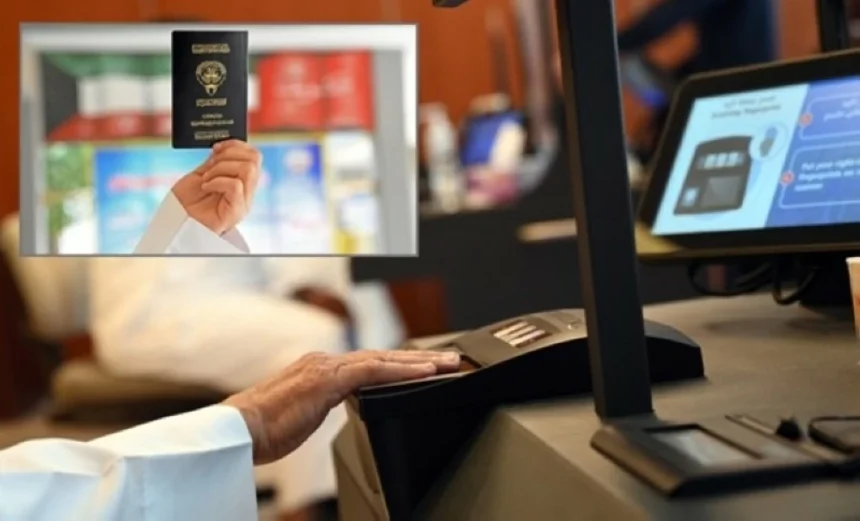
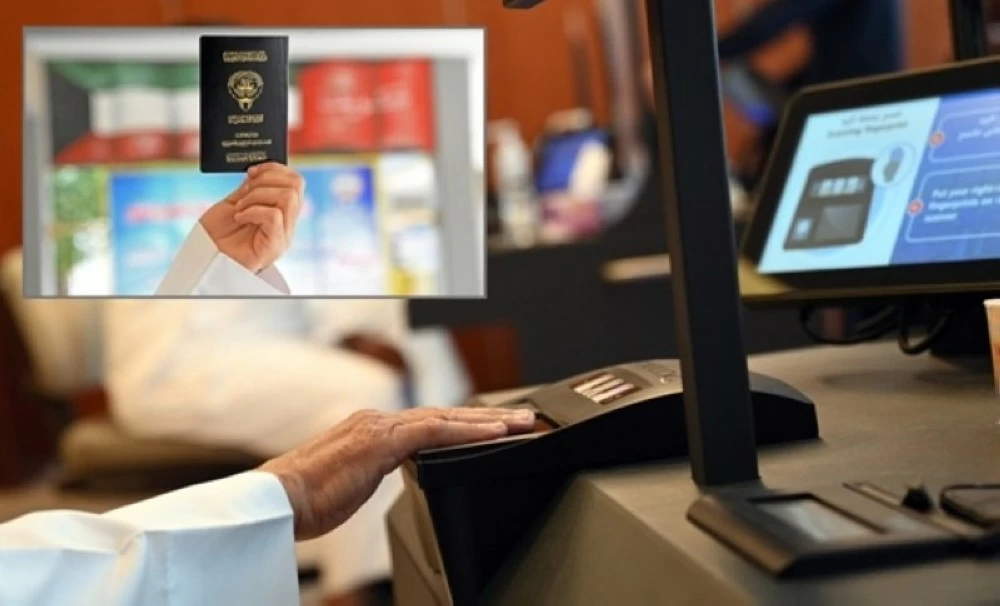
أطلقت إدارة الجنسية الكويتية مساراً جديداً لتدقيق أوضاع نحو 9,000 شخص لم يجروا البصمة البيومترية، في خطوة تهدف إلى كشف حالات ازدواجية الجنسية والتزوير باستخدام تكنولوجيا حديثة لمطابقة البصمات الورقية القديمة مع قاعدة البيانات البيومترية الإلكترونية. وأكدت مصادر مطلعة أن الدفعة الأولى من هذا التدقيق أسفرت عن 120 حالة تطابق بين البصمات الورقية لمواطنين كويتيين والبصمات البيومترية لأشخاص آخرين يحملون جنسيات خليجية أو أجنبية، ما يعني فقدهم الجنسية الكويتية تلقائياً بموجب القانون، إذ يُعد امتلاك جنسية أخرى إلى جانب الكويتية سبباً قانونياً مباشراً لفقدان الجنسية.
وأشار المصدر إلى أن هذا الإجراء يشمل جميع الفئات: من المواطنين، والمقيمين، والزائرين، موضحاً أن معظم الحالات المكتشفة حتى الآن تخص نساء، بينما يُتوقع أن يتضاعف عدد الحالات مع متابعة التدقيق للدفعات التالية.
وتتمثل آلية المسار الجديد في حصر كل شخص لديه بصمة ورقية محفوظة لدى «الأدلة الجنائية» ولم يجرَ بصمة بيومترية، ثم إدخال هذه البصمة الورقية في النظام الإلكتروني لمطابقتها مع جميع البصمات البيومترية المحفوظة، لتحديد أي ازدواجية محتملة.
وأوضحت المصادر أن هناك 3 أسباب رئيسية وراء تخلف البعض عن إجراء البصمة البيومترية:
- حالات الوفاة لأشخاص لم تُسجل أسماؤهم متوفين في السجلات، وغالباً كبار السن.
- وجود أشخاص خارج الكويت.
- حالات داخل الكويت يشتبه في ازدواجية جنسيتهم أو تزوير بياناتهم.
وأكدت المصادر أن القانون يُطبق الآن بلا استثناء، واعتبرت أن التنازل الطوعي عن الجنسية الأخرى لم يعد يعطي أي أثر قانوني، إذ يُسقط القانون الجنسية تلقائياً عند اكتشاف ازدواجيتها.
وتعد هذه الخطوة جزءاً من جهود السلطات الكويتية لتحديث قاعدة البيانات الوطنية، وتعزيز دقة البصمة البيومترية، وضمان تطبيق القانون بحق كل من يحمل الجنسية الكويتية بشكل قانوني، وحماية حقوق الدولة من أي تزوير أو ازدواجية.
The Kuwaiti Citizenship Administration has launched a new track to audit the status of approximately 9,000 individuals who have not undergone biometric fingerprinting, in a move aimed at uncovering cases of dual nationality and forgery using modern technology to match old paper fingerprints with the electronic biometric database. Informed sources confirmed that the first batch of this audit resulted in 120 matching cases between the paper fingerprints of Kuwaiti citizens and the biometric fingerprints of other individuals holding Gulf or foreign nationalities, which means they automatically lose their Kuwaiti nationality under the law, as possessing another nationality alongside the Kuwaiti one is a direct legal reason for losing nationality.
The source indicated that this procedure includes all categories: citizens, residents, and visitors, noting that most of the cases discovered so far involve women, while the number of cases is expected to double as the auditing of subsequent batches continues.
The mechanism of the new track involves identifying every person with a paper fingerprint stored at the “Forensic Evidence” department who has not undergone biometric fingerprinting, then entering this paper fingerprint into the electronic system to match it with all stored biometric fingerprints, to determine any potential dual nationality.
The sources clarified that there are three main reasons behind some individuals’ failure to undergo biometric fingerprinting:
- Cases of deceased individuals whose names have not been registered as deceased in the records, often elderly people.
- The presence of individuals outside Kuwait.
- Cases within Kuwait where there is suspicion of dual nationality or data forgery.
The sources confirmed that the law is now being applied without exception, and they considered that the voluntary renunciation of another nationality no longer has any legal effect, as the law automatically revokes nationality upon discovering its duality.
This step is part of the efforts of the Kuwaiti authorities to update the national database, enhance the accuracy of biometric fingerprinting, ensure the law is applied against anyone holding Kuwaiti nationality legally, and protect the rights of the state from any forgery or duality.