

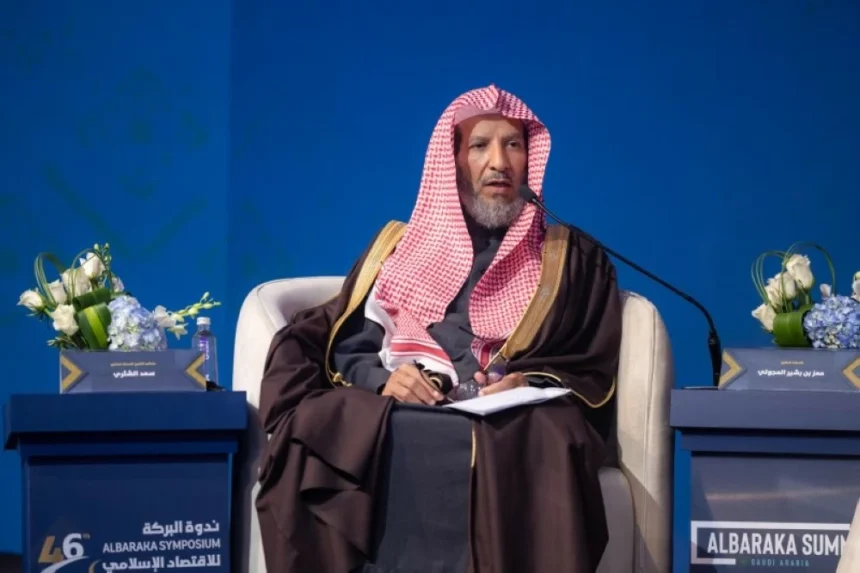
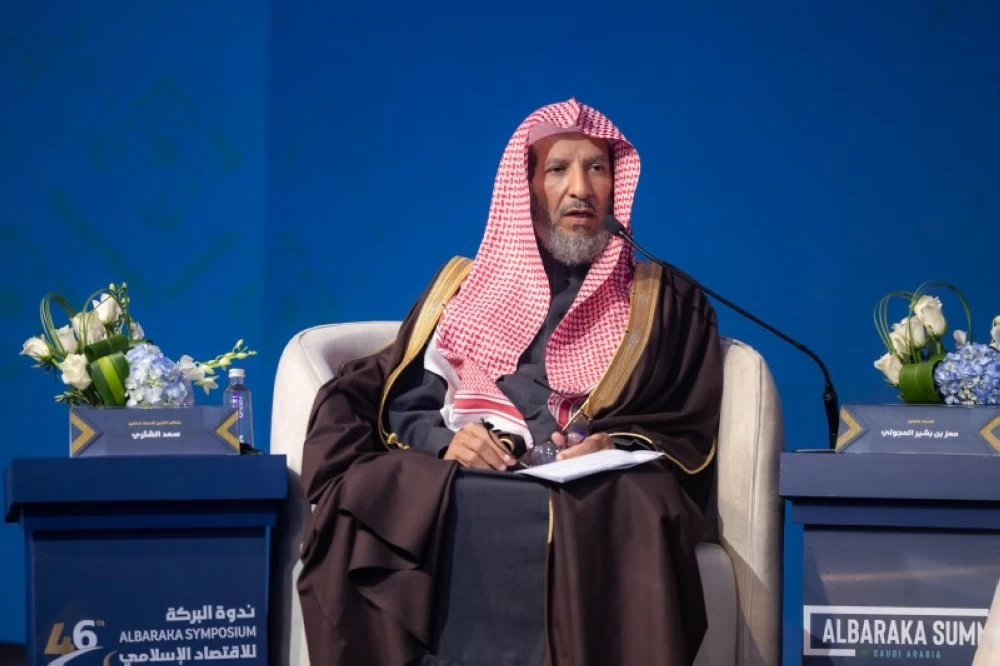
انطلقت أعمال الدورة 46 من «ندوة البركة للاقتصاد الإسلامي» تحت عنوان «قطاع البرّ والإحسان في الاقتصاد الإسلامي: نحو مستقبل جديد» في المدينة المنورة بمقر جامعة الأمير مقرن بن عبدالعزيز أمس (الإثنين)، بمشاركة نخبة من العلماء، وقادة الفكر المالي، وصنّاع القرار، وممثلي المؤسسات المالية والتنموية من 18 دولة، في أحد أكبر التجمعات الفكرية والاقتصادية المتخصصة في المنطقة.
وأكد الأمين العام لمنتدى البركة للاقتصاد الإسلامي يوسف خلاوي أهمية موضوع الندوة، مشيراً إلى أن تناول البعد الاقتصادي لقطاع البرّ والإحسان لا ينفصل عن أبعاده الشرعية والاجتماعية والتنموية، ومشدداً على الدور التأسيسي للمصارف الإسلامية في تطوير الاقتصاد الإسلامي الحديث.
من جانبه، أوضح الشيخ محمد تقي العثماني أن قطاع البرّ والإحسان يمثل أحد أكمل جوانب الاقتصاد الإسلامي، مؤكداً الدور المحوري الذي لعبته ندوات البركة في تطوير الصناعة المالية الإسلامية وتعميق قضاياها الفكرية والشرعية.
وشهدت الجلسة العلمية الأولى مناقشة المفاهيم الأصيلة لقطاع البرّ والإحسان ودوره في تحقيق التنمية المستدامة، إذ أكد الشيخ سعد الشثري أن البرّ والإحسان أصل جوهري في الاقتصاد الإسلامي، يسهم في معالجة الفقر وتحويل المحتاجين إلى عناصر منتجة، مع أهمية الجمع بين التأصيل الشرعي وقياس الأثر الاقتصادي والاجتماعي.
مداخلات المشاركين
وتناولت مداخلات المشاركين إعادة توظيف البرّ والإحسان وظيفةً اقتصاديةً وتمكينيةً، وتعزيز الحوكمة والكفاءة المؤسسية، وبيان أنماط الإحسان المختلفة، من الزكاة والصدقات إلى القرض الحسن والوقف، ودورها في دعم النمو الاقتصادي وتحقيق التكافل الاجتماعي.
كما ناقشت الجلسة الثانية دور المصارف الإسلامية في تطوير قطاع البرّ والإحسان، مؤكدة أهمية انتقالها من دور التبرع إلى الشراكة الاستراتيجية عبر أدوات استثمارية مبتكرة وحوكمة رشيدة. واختتمت أعمال اليوم الأول بجلسة تناولت الاستثمار الخيري المنضبط شرعياً، مع تأكيد تطوير الوقف، واستثمار أموال الزكاة، وقياس الأثر التنموي لتحقيق استدامة اقتصادية واجتماعية.
The 46th session of the “Al-Baraka Forum for Islamic Economics” kicked off under the title “The Sector of Charity and Goodness in Islamic Economics: Towards a New Future” in Medina at the Prince Muqrin bin Abdulaziz University yesterday (Monday), with the participation of a select group of scholars, financial thought leaders, decision-makers, and representatives of financial and developmental institutions from 18 countries, in one of the largest intellectual and economic gatherings specialized in the region.
The Secretary-General of the Al-Baraka Forum for Islamic Economics, Youssef Khalawi, emphasized the importance of the seminar’s topic, pointing out that addressing the economic dimension of the charity and goodness sector is inseparable from its legal, social, and developmental dimensions, stressing the foundational role of Islamic banks in developing modern Islamic economics.
For his part, Sheikh Muhammad Taqi Al-Othmani clarified that the charity and goodness sector represents one of the most complete aspects of Islamic economics, affirming the pivotal role that Al-Baraka seminars have played in developing the Islamic financial industry and deepening its intellectual and legal issues.
The first scientific session witnessed a discussion on the original concepts of the charity and goodness sector and its role in achieving sustainable development, where Sheikh Saad Al-Shathri confirmed that charity and goodness are a fundamental essence in Islamic economics, contributing to addressing poverty and transforming the needy into productive elements, with the importance of combining legal foundations and measuring economic and social impact.
Participants’ Interventions
Participants’ interventions addressed the re-employment of charity and goodness as an economic and empowering function, enhancing governance and institutional efficiency, and clarifying the various patterns of goodness, from zakat and donations to qard hasan (benevolent loans) and waqf (endowment), and their role in supporting economic growth and achieving social solidarity.
The second session also discussed the role of Islamic banks in developing the charity and goodness sector, emphasizing the importance of transitioning from a donation role to a strategic partnership through innovative investment tools and sound governance. The first day’s activities concluded with a session addressing Sharia-compliant charitable investment, emphasizing the development of waqf, investing zakat funds, and measuring developmental impact to achieve economic and social sustainability.