لم تنته محادثات مسقط عندما غادر الوفدان (الإيراني والأمريكي) القاعة في السادس من فبراير الماضي. في الواقع، ما انتهى هو المرحلة الصامتة من اختبار الإرادات لا المسار نفسه. فما جرى في مسقط لم يكن تفاوضاً تقنياً حول نسب التخصيب وأجهزة الطرد، بل كان قياساً دقيقاً لحدود القرار في واشنطن وحدود الاحتمال في طهران.
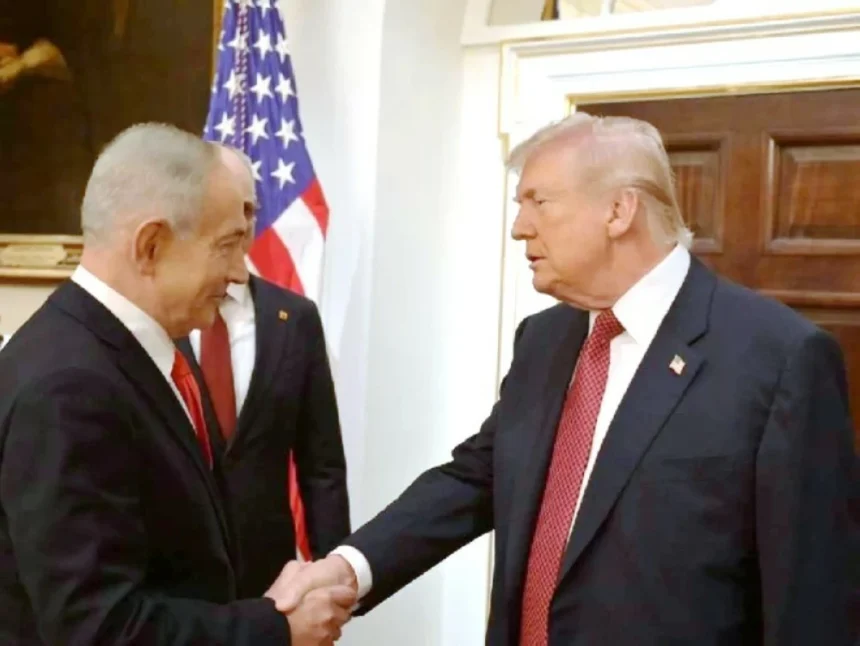
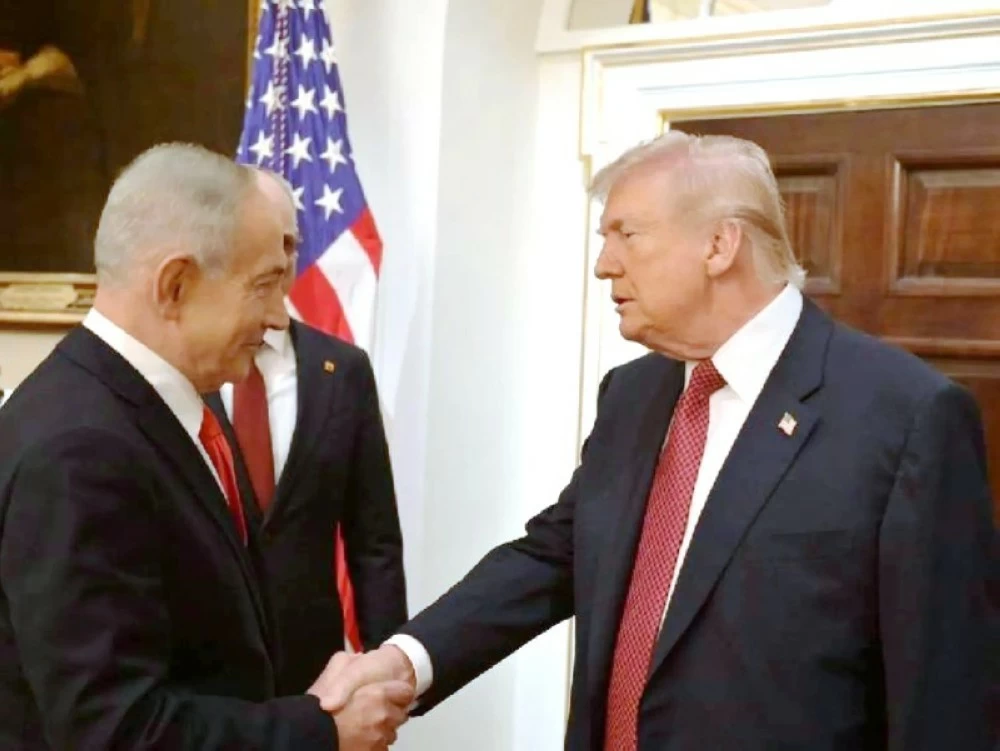
في الخلفية، كان المشهد أكبر من غرفة الاجتماعات: زيارة نتنياهو إلى واشنطن، تصريح ترمب المزدوج بين الدبلوماسية والتهديد، رسائل عسكرية أمريكية متحركة في المنطقة، وتصريحات إيرانية حريصة على تثبيت أن التفاوض محصور في النووي فقط. كل عنصر من هذه العناصر لم يكن حدثاً منفصلاً، بل قطعة في لوحة واحدة عنوانها: من يفرض تعريف الجولة القادمة؟
الجولة القادمة لن تكون استمراراً آلياً لما سبق. هي لحظة إعادة تموضع. واشنطن لا تريد حرباً واسعة، لكنها لا تريد أيضاً العودة إلى اتفاق يبدو في الداخل الأمريكي وكأنه تنازل. طهران لا تريد مواجهة شاملة لكنها ترفض توسيع سلة التفاوض لتشمل صواريخها ونفوذها الإقليمي. أما إسرائيل فتسعى إلى منع تثبيت أي معادلة ترى فيها تهديداً طويل الأمد، حتى لو اضطرت إلى التحرك منفردة.
لهذا، فإن السؤال الحقيقي ليس: هل سيتوصل الطرفان إلى اتفاق؟ السؤال الأدق هو: أي شكل من الاشتباك المنضبط سيحكم المرحلة القادمة؟
واشنطن تجد نفسها بين مسارين متوازيين: مسار إيراني يسعى إلى حصر التفاوض وتثبيت قواعده، ومسار إسرائيلي يسعى إلى توسيعه ورفع سقفه. منشور ترمب بعد اللقاء مع نتنياهو عكس هذا التوازن الحذر الذي يوحي بأن الإدارة الأمريكية لا تريد كسر المسار لكنها لا تريد أيضاً أن تبدو متساهلة، لذلك يجري اعتماد معادلة مزدوجة: تفاوض مستمر، وضغط قائم.
غير أن ما يجري أعمق من توازن تكتيكي بين ضغوط وتصريحات. فالإدارة الأمريكية تدير الملف الإيراني ضمن هندسة أوسع تتعلق بإعادة ترتيب أولوياتها الإستراتيجية عالمياً. هي لا تريد جبهة استنزاف جديدة في الشرق الأوسط، لكنها في الوقت نفسه لا تستطيع السماح بتآكل صورة الردع الأمريكي. من هنا يصبح التهديد العسكري أداة ضبط إيقاع لا قراراً بالحرب، ويصبح التفاوض وسيلة لتثبيت توازن منخفض الكلفة لا لصناعة اختراق تاريخي.
في المقابل، تتحرك طهران وفق معادلة الصبر المركب. فهي تدرك أن امتلاك القدرة شيء واستخدامها شيء آخر. لذلك تحاول أن تفصل بين تطوير عناصر قوتها وبين الذهاب إلى مواجهة مباشرة. خطابها الهادئ ليس مؤشراً على استعجال تسوية بل على محاولة إدارة الوقت كعنصر قوة. كلما طال أمد التفاوض من دون انفجار، زادت احتمالات تثبيت معادلة ردع تمنحها اعترافاً غير مباشر بحدود نفوذها.
التوازن يبدو هشاً؛ لأن إسرائيل، وإن لم تكن طرفاً مباشراً على الطاولة، تملك القدرة على التأثير في الإيقاع. التلميح بالحفاظ على حرية التحرك ضد إيران، ولو منفرداً، هو تذكير بأن المسار الدبلوماسي يجري تحت سقف أمني متحرك. وأي خطأ في الحسابات قد يحول الضغط المتبادل إلى احتكاك مباشر.
مناورات المطالب بين ظهران وواشنطن
هنا تتقاطع الحسابات الثلاثة: واشنطن تريد اتفاقاً يمنع التصعيد من دون أن يقيد حركتها مستقبلاً، طهران تريد اتفاقاً يخفف الضغط من دون أن يمس بنيتها الإستراتيجية، وإسرائيل تريد ضمانة دائمة لا تبدو واشنطن مستعدة لمنحها بالكامل. هذا التباين لا يعني استحالة التفاهم لكنه يعني أن أي صيغة مقبلة ستكون نتاج توازن دقيق لا يسمح بانتصار كامل لأي طرف.
ما ينتظر الجولة القادمة إذن ليس انفراجاً كبيراً ولا انهياراً فورياً. هو مرحلة شد محسوب، تحاول فيها كل عاصمة أن تختبر حدود الأخرى من دون أن تدفع الأمور إلى نقطة اللاعودة. اتفاق مرحلي يجمّد التصعيد يبقى احتمالا قائماً كما تبقى المراوحة المدروسة خياراً واقعياً، حيث يستمر التفاوض ببطء فيما تتواصل أدوات الضغط.
المعركة الفعلية في المرحلة القادمة لن تكون حول بند تقني، بل حول شكل النظام الردعي الذي سيتحكم بالعلاقة بين الطرفين لسنوات. فإذا نجحت العاصمتان في تثبيت توازن بارد ستدخل المنطقة مرحلة استقرار هش قابل للإدارة. أما إذا اختل هذا التوازن، فإن أي حادث محدود قد يتحول إلى اختبار قوة واسع يعيد رسم خطوط الاشتباك بالكامل.
بين هذين المسارين تتحرك الجولة الجديدة: لا سلام كامل، ولا حرب شاملة، بل إدارة دقيقة لصراع يعرف أصحابه أن الخطأ فيه لا يُصحح بسهولة.
The Muscat talks did not end when the Iranian and American delegations left the room on February 6th. In fact, what ended was the silent phase of testing wills, not the process itself. What took place in Muscat was not a technical negotiation over enrichment levels and centrifuges, but a precise measurement of the limits of decision-making in Washington and the boundaries of possibility in Tehran.
In the background, the scene was larger than the meeting room: Netanyahu’s visit to Washington, Trump’s dual statement between diplomacy and threat, moving American military messages in the region, and Iranian statements keen to establish that the negotiations are limited to nuclear issues only. Each of these elements was not a separate event, but a piece in a single puzzle titled: Who will define the next round?
The next round will not be a mechanical continuation of what came before. It is a moment of repositioning. Washington does not want a wide war, but it also does not want to return to an agreement that appears to be a concession domestically. Tehran does not want a comprehensive confrontation but refuses to expand the negotiation basket to include its missiles and regional influence. As for Israel, it seeks to prevent the establishment of any equation that it sees as a long-term threat, even if it has to act unilaterally.
Therefore, the real question is not: Will the two sides reach an agreement? The more precise question is: What form of controlled engagement will govern the next phase?
Washington finds itself between two parallel paths: an Iranian path that seeks to limit negotiations and establish its rules, and an Israeli path that seeks to expand and raise its ceiling. Trump’s post-meeting statement with Netanyahu reflected this cautious balance, suggesting that the U.S. administration does not want to break the path but also does not want to appear lenient. Thus, a dual equation is being adopted: continuous negotiation and ongoing pressure.
However, what is happening is deeper than a tactical balance between pressures and statements. The U.S. administration is managing the Iranian file within a broader framework related to rearranging its global strategic priorities. It does not want a new draining front in the Middle East, but at the same time, it cannot allow the erosion of the image of American deterrence. Hence, military threats become a tool for regulating the rhythm rather than a decision for war, and negotiations become a means to establish a low-cost balance rather than to create a historic breakthrough.
In contrast, Tehran is moving according to a complex patience equation. It understands that possessing the capability is one thing, and using it is another. Therefore, it tries to separate the development of its power elements from entering into direct confrontation. Its calm rhetoric is not an indication of urgency for a settlement but an attempt to manage time as a source of strength. The longer the negotiations last without an explosion, the greater the chances of establishing a deterrent equation that grants it indirect recognition of the limits of its influence.
The balance appears fragile; because Israel, even if it is not a direct party at the table, has the ability to influence the rhythm. The hint at maintaining freedom of movement against Iran, even unilaterally, is a reminder that the diplomatic path is taking place under a moving security ceiling. Any miscalculation could turn mutual pressure into direct friction.
Demand Maneuvers Between Tehran and Washington
Here, the three calculations intersect: Washington wants an agreement that prevents escalation without constraining its future movements, Tehran wants an agreement that alleviates pressure without affecting its strategic structure, and Israel wants a permanent guarantee that Washington does not seem ready to fully grant. This disparity does not mean that understanding is impossible, but it does mean that any forthcoming formula will be the result of a delicate balance that does not allow for a complete victory for any party.
What awaits the next round, then, is neither a major breakthrough nor an immediate collapse. It is a phase of calculated tension, in which each capital tries to test the limits of the other without pushing matters to a point of no return. A temporary agreement that freezes escalation remains a viable possibility, just as a measured stalemate remains a realistic option, where negotiations continue slowly while pressure tools persist.
The actual battle in the next phase will not be over a technical item, but over the form of the deterrent system that will govern the relationship between the two sides for years. If the two capitals succeed in establishing a cold balance, the region will enter a phase of manageable fragile stability. However, if this balance is disrupted, any limited incident could turn into a broad show of force that redraws the lines of engagement entirely.
Between these two paths, the new round moves: no complete peace, no comprehensive war, but a precise management of a conflict whose owners know that mistakes in it are not easily corrected.