


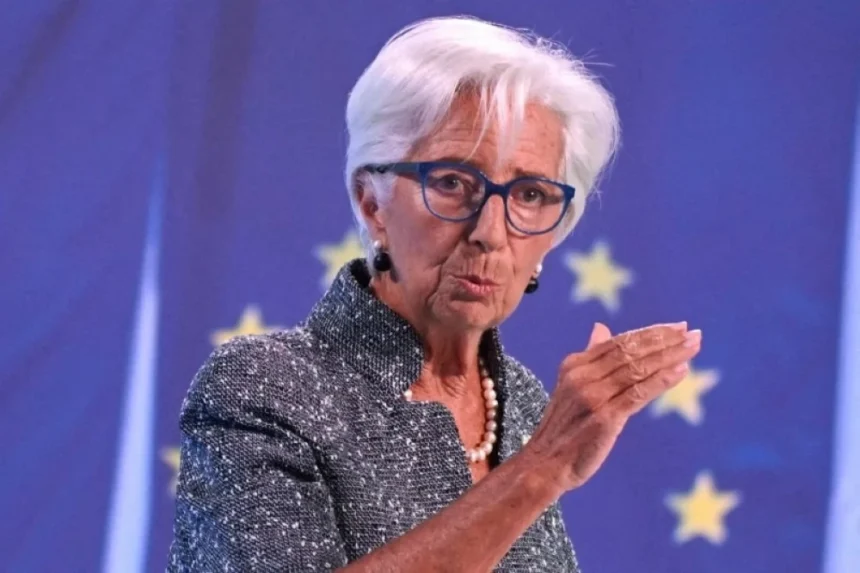
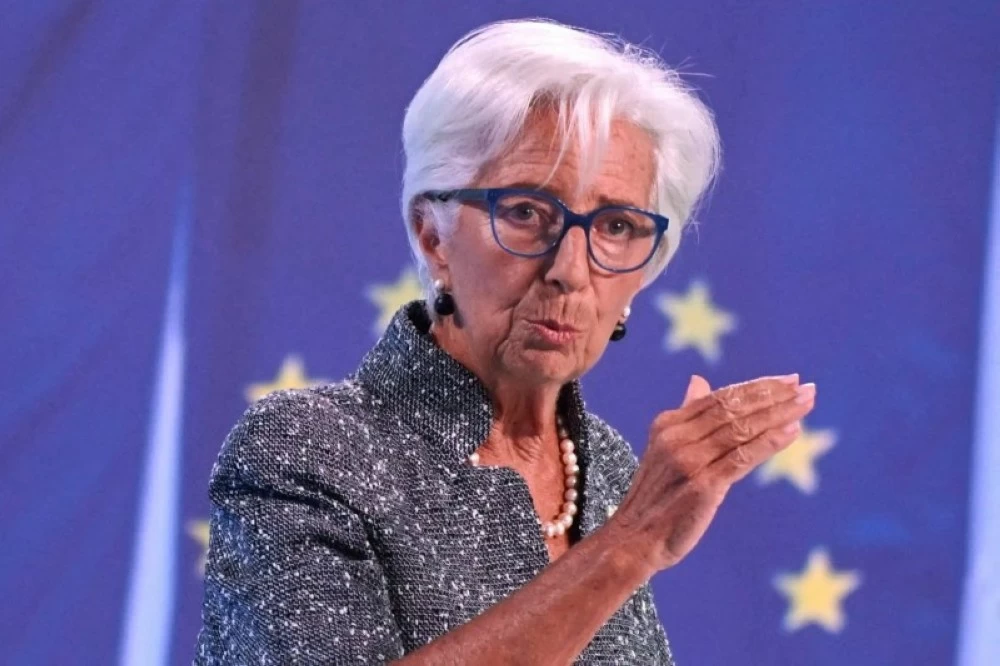
كشفت صحيفة فاينانشال تايمز البريطانية اليوم (الأربعاء) أن رئيسة البنك المركزي الأوروبي كريستين لاغارد تدرس بجدية التنحي عن منصبها قبل انتهاء ولايتها الرسمية في 31 أكتوبر 2027، في خطوة غير مسبوقة قد تعيد رسم مسار السياسة النقدية الأوروبية في فترة حساسة تشهد تحديات اقتصادية وسياسية متزايدة.
ونقلت الصحيفة عن شخص مطلع على تفكير لاغارد أنها تفضل المغادرة قبل موعد الانتخابات الرئاسية الفرنسية المقررة في أبريل 2027، بهدف إتاحة الفرصة للرئيس الفرنسي إيمانويل ماكرون – الذي تنتهي ولايته في مايو 2027 – ليكون له دور رئيسي في اختيار خليفتها، بالتنسيق مع المستشار الألماني فريدريش ميرتس.
دعم للسيطرة الفرنسية الألمانية
وأوضحت المصادر أن لاغارد لم تحسم بعد التوقيت الدقيق لمغادرتها، لكنها حريصة على أن يظل ماكرون وميرتس الطرفين الأساسيين في عملية الاختيار، وسط مخاوف متزايدة من أن فوز مرشح من اليمين المتطرف مثل مارين لوبان أو حليفها جوردان بارديلا في الانتخابات الفرنسية قد يعقد بشكل كبير عملية تعيين رئيس جديد للبنك المركزي الأوروبي، نظراً للدور الفرنسي التقليدي في هذه التعيينات.
ورداً على التقرير، أكد متحدث باسم البنك المركزي الأوروبي أن «الرئيسة لاغارد مركزة تماماً على مهمتها وليس قد اتخذت أي قرار بشأن نهاية ولايتها»، مشدداً على أنها ملتزمة بأداء واجباتها الحالية.
من هي كريستين لاغارد؟
وتولت كريستين لاغارد (69 عاماً) رئاسة البنك المركزي الأوروبي في نوفمبر 2019، خلفاً لماريو دراغي، بعد مسيرة بارزة كمديرة عامة لصندوق النقد الدولي (2011-2019) ووزيرة للمالية الفرنسية (2007-2011)، وأصبحت ولايتها غير قابلة للتجديد، حيث تستمر ثماني سنوات كاملة، وهي الأولى التي تتولى فيها امرأة هذا المنصب.
وخلال فترتها، قادت لاغارد البنك خلال جائحة كوفيد-19، وأزمة التضخم الحادة في 2021-2023، ورفع أسعار الفائدة بشكل غير مسبوق لمكافحة التضخم، ثم بدء تدريجي لتخفيضها في 2025-2026، وواجهت انتقادات من بعض الأطراف بشأن استقلالية البنك وسياساته تجاه الديون السيادية، لكنها حافظت على دعم واسع داخل مجلس الحكام.
ويُعد منصب رئيس البنك المركزي الأوروبي أحد أهم المناصب الاقتصادية في العالم، ويتم اختياره باتفاق بين قادة الدول الأعضاء في منطقة اليورو (19 دولة حالياً)، مع دور بارز لفرنسا وألمانيا تاريخياً.
ومن بين الأسماء المحتملة للخلافة محافظ البنك المركزي الهولندي كلاس نوت، محافظ البنك المركزي الإسباني بابلو هرنانديز دي كوس، ومحافظ البنك المركزي الألماني يواخيم ناغل.
The British newspaper Financial Times revealed today (Wednesday) that European Central Bank President Christine Lagarde is seriously considering stepping down from her position before her official term ends on October 31, 2027, in an unprecedented move that could reshape the course of European monetary policy during a sensitive period marked by increasing economic and political challenges.
The newspaper quoted a source familiar with Lagarde’s thinking, stating that she prefers to leave before the French presidential elections scheduled for April 2027, in order to give French President Emmanuel Macron – whose term ends in May 2027 – a key role in selecting her successor, in coordination with German Chancellor Friedrich Merz.
Support for French-German Control
Sources clarified that Lagarde has not yet decided on the exact timing of her departure, but she is keen for Macron and Merz to remain the key players in the selection process, amid growing concerns that the victory of a far-right candidate such as Marine Le Pen or her ally Jordan Bardella in the French elections could significantly complicate the appointment of a new president for the European Central Bank, given France’s traditional role in these appointments.
In response to the report, a spokesperson for the European Central Bank confirmed that “President Lagarde is completely focused on her mission and has not made any decision regarding the end of her term,” emphasizing her commitment to fulfilling her current duties.
Who is Christine Lagarde?
Christine Lagarde (69 years old) took over as President of the European Central Bank in November 2019, succeeding Mario Draghi, after a distinguished career as Managing Director of the International Monetary Fund (2011-2019) and French Minister of Finance (2007-2011). Her term is non-renewable, lasting a full eight years, making her the first woman to hold this position.
During her tenure, Lagarde led the bank through the COVID-19 pandemic, the severe inflation crisis of 2021-2023, and unprecedented interest rate hikes to combat inflation, followed by a gradual reduction starting in 2025-2026. She faced criticism from some parties regarding the bank’s independence and its policies towards sovereign debt, but she maintained broad support within the Governing Council.
The position of President of the European Central Bank is one of the most important economic roles in the world, chosen by agreement among the leaders of the member states in the Eurozone (currently 19 countries), with a historically prominent role for France and Germany.
Among the potential names for succession are Dutch Central Bank Governor Klaas Knot, Spanish Central Bank Governor Pablo Hernández de Cos, and German Central Bank Governor Joachim Nagel.