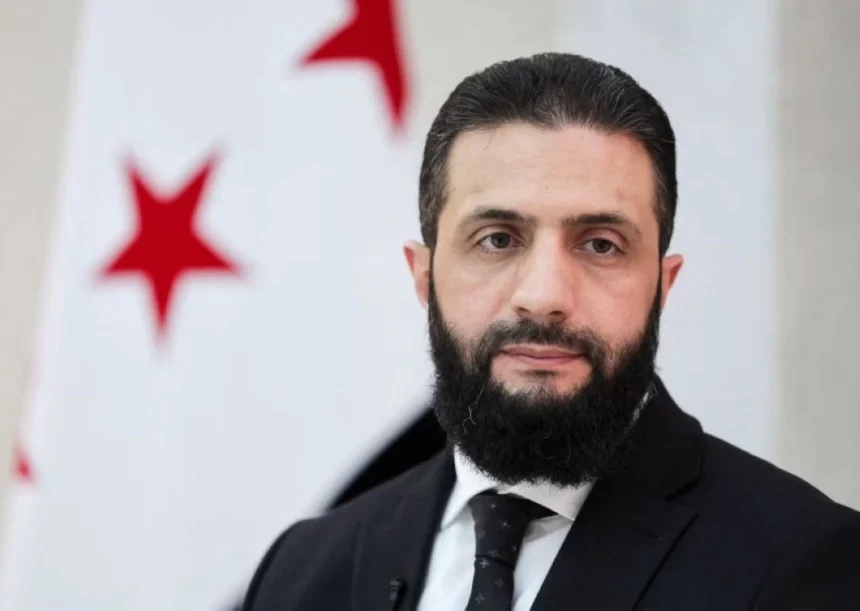
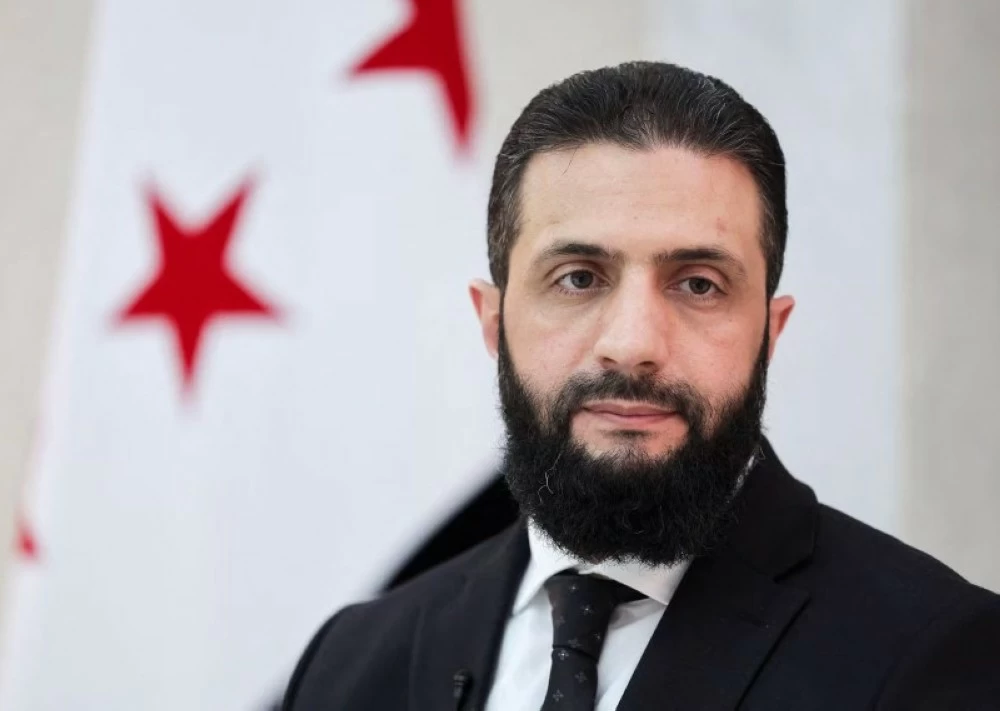
أصدر الرئيس السوري أحمد الشرع اليوم (الأربعاء) المرسوم رقم (39) لعام 2026، القاضي بمنح عفو عام عن الجرائم المرتكبة قبل تاريخ صدور المرسوم، وتخفيف العقوبات عن آخرين، انطلاقاً من أحكام الدستور ومقتضيات المصلحة الوطنية العليا.
وفيما يلي النص الكامل للمرسوم:
المادة (1): تخفيف العقوبات الأساسية
• خفض السجن المؤبد إلى السجن المؤقت لمدة 20 عاماً.
• خفض الاعتقال المؤبد إلى الاعتقال المؤقت لمدة 20 عاماً.
• استثناء الضرر الشخصي: لا يُطبق التخفيض إذا نتج عن الجريمة ضرر شخصي إلا إذا أسقط المتضرر حقه، ولا يشمل ذلك التعويض المحكوم به.
• تقديم الادعاء الشخصي: للمتضرر الحق في تقديم الدعوى خلال ثلاثة أشهر من صدور المرسوم، وإلا تُطبق أحكام التخفيف.
المادة (2): العفو للأشخاص بسبب العمر أو الصحة
يشمل العفو كامل العقوبة المؤبدة أو المؤقتة لمن:
• مصاب بمرض عضال غير قابل للشفاء ويحتاج لمساعدة الآخرين.
• بلغ السبعين من العمر.
ويستفيد هؤلاء سواء كانت جرائمهم مستثناة كلياً أو جزئياً.
المادة (3): العقوبات المشمولة كلياً
يشمل العفو كامل العقوبة في:
• الجنح والمخالفات العامة.
• قوانين مكافحة المخدرات، التهريب، تهريب المواد المدعومة، تنظيم مهنة الصرافة، ومنع التعامل بغير الليرة السورية.
• قانون حماية المستهلك، قانون العقوبات العسكري، وقانون الجرائم المعلوماتية.
• مواد محددة من قانون العقوبات تشمل جرائم ارتكبت قبل 8/12/2024.
المادة (4): العقوبات المشمولة كلياً والمعلقة على شرط
• تحرير المخطوف: العفو عن كامل العقوبة إذا حرر المخطوف طوعياً أو سلّمه للجهة المختصة خلال شهر من تاريخ المرسوم.
• تسليم السلاح غير المرخص: شرط للاستفادة من العفو في جرائم الأسلحة والذخائر.
المادة (5): العقوبات المشمولة جزئياً
يشمل العفو نصف العقوبة الجنائية المؤقتة.
المادة (6): تدابير الإصلاح والرعاية للأحداث
يعفى عن جميع تدابير الإصلاح والرعاية للأحداث وفق أحكام المرسوم وشروطه.
المادة (7): شروط الاستفادة من العفو
• تسليم النفس للنيابة العامة خلال 60 يوماً لمن فرّ من السجون أو دور التوقيف.
• إسقاط الحق الشخصي أو دفع التعويضات للمستفيدين من الجنح والجنايات المحددة في القانون.
• في حال عدم تحريك الدعوى أو كونها تحت المحاكمة، يشترط إسقاط الحق الشخصي لتطبيق العفو.
المادة (8): الاستثناءات
يستثنى من العفو:
• الجرائم التي تنتهك حقوق الشعب السوري.
• الجرائم التي ألغى مجلس القضاء الأعلى أحكامها الجائرة.
• الجرائم المنصوص عليها في قوانين الدعارة، الغش الامتحاني، التعذيب، الحراج، المخدرات، ومكافحة الاتجار بالبشر، ومجموعة محددة من مواد قانون العقوبات.
المواد (9 – 11): الغرامات والرسوم
• لا يشمل العفو الغرامات المستوفاة قبل المرسوم أو الخاصة بالسيطرة على القطع والتبغ والكهرباء والطوابع.
• يشمل الغرامات الجزائية التي تقيد الحرية.
• لا تُعاد أي رسوم أو تسويات مالية سابقة.
المواد (12 – 15): أحكام إجرائية
• تشكيل لجان طبية لفحص المستفيدين من المادة (2).
• تقديم الطلبات إلى ديوان المحامي العام أو إدارة السجن خلال شهر من صدور المرسوم.
• إصدار تقارير اللجان بقرار من وزير العدل.
• نشر المرسوم في الجريدة الرسمية ويصبح نافذاً من تاريخ صدوره.
The Syrian President Ahmad al-Shara issued today (Wednesday) Decree No. (39) for the year 2026, which grants a general amnesty for crimes committed before the date of issuance of the decree, and reduces penalties for others, based on the provisions of the constitution and the requirements of the supreme national interest.
Below is the full text of the decree:
Article (1): Reduction of Basic Penalties
• The life imprisonment is reduced to temporary imprisonment for 20 years.
• The life detention is reduced to temporary detention for 20 years.
• Exception for personal harm: The reduction does not apply if the crime resulted in personal harm unless the victim waives their right, and this does not include the compensation ordered.
• Filing a personal claim: The victim has the right to file a lawsuit within three months from the issuance of the decree, otherwise the reduction provisions apply.
Article (2): Amnesty for Individuals Due to Age or Health
The amnesty includes the full penalty of life or temporary imprisonment for:
• Those suffering from an incurable terminal illness and require assistance from others.
• Those who have reached the age of seventy.
These individuals benefit regardless of whether their crimes are completely or partially exempted.
Article (3): Fully Covered Penalties
The amnesty includes the full penalty in:
• Misdemeanors and general violations.
• Drug laws, smuggling, smuggling of subsidized materials, regulation of the currency exchange profession, and prohibition of dealing in currencies other than the Syrian pound.
• Consumer protection law, military penal code, and cybercrime law.
• Specific articles of the penal code covering crimes committed before 8/12/2024.
Article (4): Fully Covered Penalties Conditional on a Condition
• Release of the kidnapped: The full penalty is waived if the kidnapped person is voluntarily released or handed over to the competent authority within a month from the date of the decree.
• Surrendering unlicensed weapons: A condition for benefiting from the amnesty in weapons and ammunition crimes.
Article (5): Partially Covered Penalties
The amnesty includes half of the temporary criminal penalty.
Article (6): Reform and Care Measures for Minors
All reform and care measures for minors are exempted according to the provisions and conditions of the decree.
Article (7): Conditions for Benefiting from the Amnesty
• Surrendering to the public prosecution within 60 days for those who escaped from prisons or detention centers.
• Waiving personal rights or paying compensations to beneficiaries of the specified misdemeanors and felonies in the law.
• In case of non-initiation of the lawsuit or if it is under trial, waiving personal rights is required for the application of the amnesty.
Article (8): Exceptions
The following are excluded from the amnesty:
• Crimes that violate the rights of the Syrian people.
• Crimes for which the Supreme Judicial Council has annulled unjust rulings.
• Crimes stipulated in laws regarding prostitution, exam fraud, torture, forestry, drugs, and human trafficking, as well as a specific set of articles from the penal code.
Articles (9 – 11): Fines and Fees
• The amnesty does not include fines collected before the decree or those related to the control of currency, tobacco, electricity, and stamps.
• It includes penal fines that restrict freedom.
• No previous fees or financial settlements will be refunded.
Articles (12 – 15): Procedural Provisions
• Forming medical committees to examine beneficiaries of Article (2).
• Submitting applications to the Office of the Public Prosecutor or the prison administration within a month from the issuance of the decree.
• Issuing reports from the committees by a decision from the Minister of Justice.
• Publishing the decree in the official gazette, and it becomes effective from the date of issuance.