

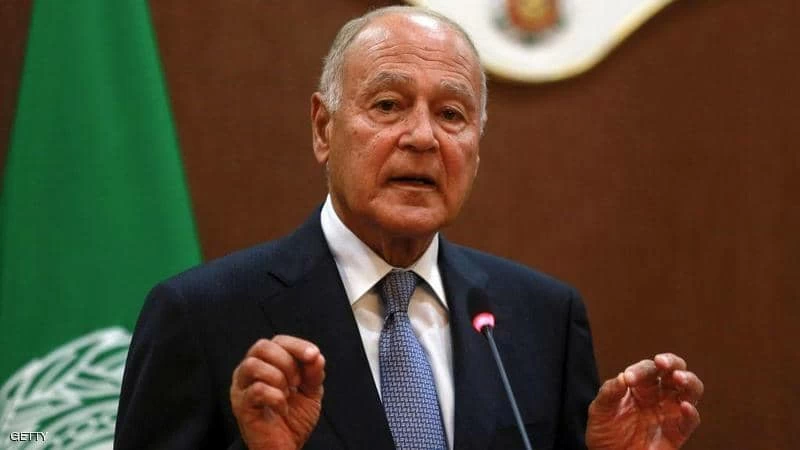
أكد الأمين العام لجامعة الدول العربية أحمد أبوالغيط أن إغلاق مضيق هرمز أمام الملاحة الدولية أدى إلى تداعيات اقتصادية واسعة، وأدخل الاقتصاد العالمي في أزمة ممتدة؛ نتيجة اضطراب سلاسل الإمداد وارتفاع أسعار الطاقة والمواد الأساسية.
جاء ذلك في كلمته خلال الجلسة الافتتاحية للدورة الاستثنائية لمجلس اتحاد الغرف العربية، المنعقدة بمقر جامعة الدول العربية في القاهرة.
مواجهة التحديات الاقتصادية
وأشار إلى أن الاعتداءات التي استهدفت عدداً من الدول العربية تمثل انتهاكاً للقانون الدولي، مؤكداً رفضها وعدم القبول بها تحت أي ذريعة.
وأوضح أن الأزمة أبرزت أهمية الممرات البحرية الحيوية، وضرورة الحفاظ على حرية الملاحة، إلى جانب تعزيز بدائل النقل وممرات التجارة الإقليمية لتفادي مثل هذه التداعيات.
وأكد الأمين العام أهمية العمل العربي المشترك لمواجهة التحديات الاقتصادية، وتعزيز قدرة الدول على التعامل مع الأزمات، مشدداً على دور القطاع الخاص في دعم التنمية والاستثمار.
The Secretary-General of the Arab League, Ahmed Aboul Gheit, confirmed that the closure of the Strait of Hormuz to international navigation has led to wide-ranging economic repercussions and has plunged the global economy into a prolonged crisis due to disruptions in supply chains and rising energy and essential goods prices.
This was stated in his speech during the opening session of the extraordinary meeting of the Council of Arab Chambers, held at the headquarters of the Arab League in Cairo.
Facing Economic Challenges
He pointed out that the attacks targeting several Arab countries represent a violation of international law, emphasizing their rejection and non-acceptance under any pretext.
He explained that the crisis has highlighted the importance of vital maritime corridors and the necessity of maintaining freedom of navigation, alongside enhancing transport alternatives and regional trade routes to avoid such repercussions.
The Secretary-General emphasized the importance of joint Arab action to face economic challenges and to strengthen the ability of countries to deal with crises, stressing the role of the private sector in supporting development and investment.