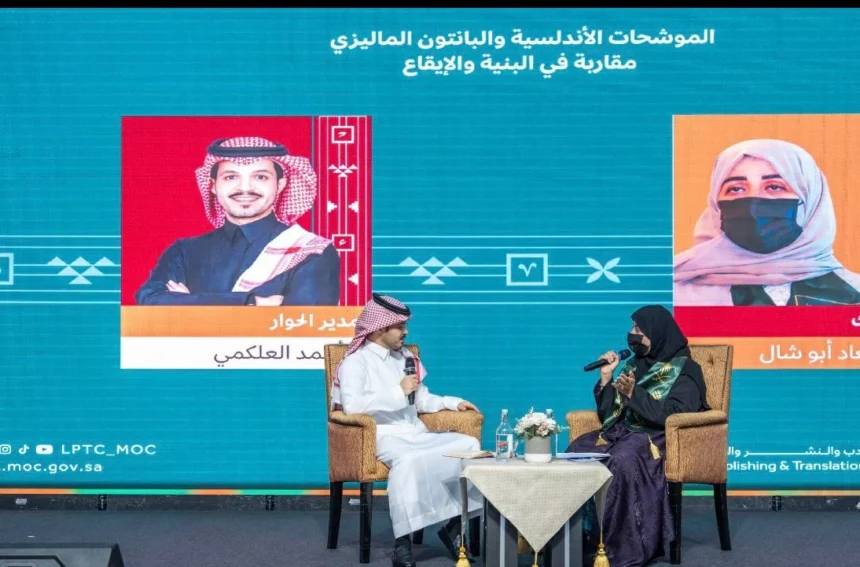
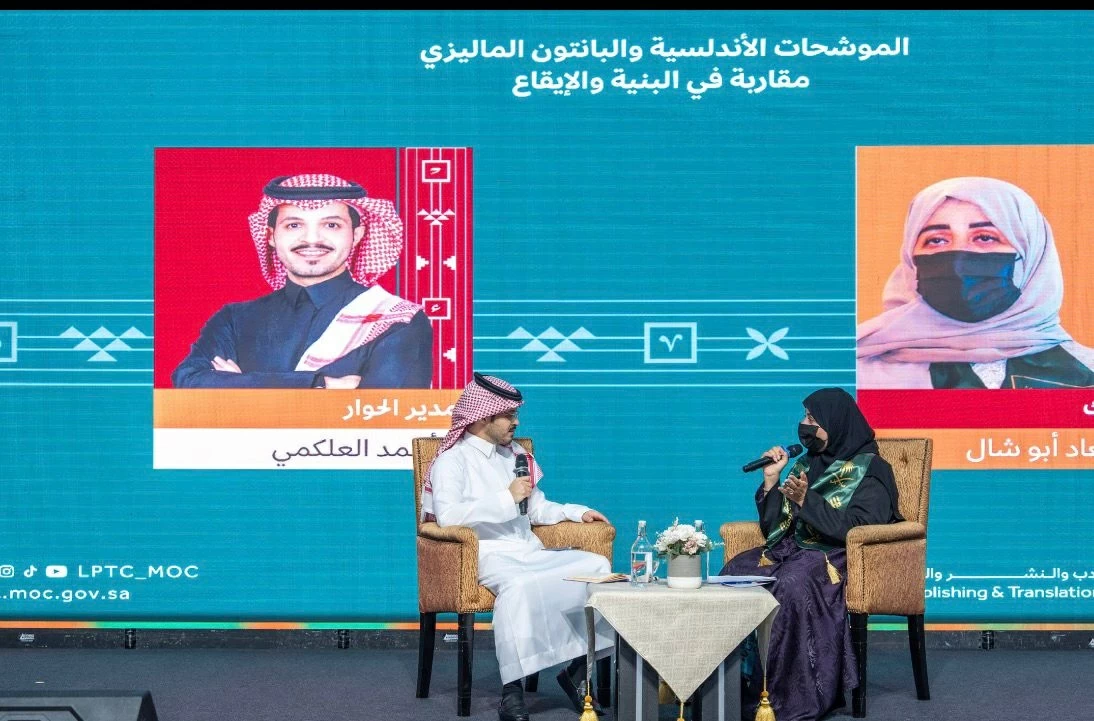
في قلب معرض كوالالمبور الدولي للكتاب، وضمن الاحتفاء بالمملكة العربية السعودية ضيف شرف، شهدت العاصمة الماليزية ليلة ثقافية استثنائية أدارها الإعلامي أحمد العلكمي، وحلّقت في أجوائها الدكتورة سعاد أبو شال نحو آفاق أدبية مغايرة، لتمزج بين سحر الشرق وعراقة الغرب من خلال تتبع الخيوط الخفية التي تربط الموشحات الأندلسية بالبانتون الماليزي، وسط حضور لافت من النخب الأدبية والفنية المهتمة بمد جسور التواصل بين الثقافتين العربية والآسيوية.
وقد أبحرت أبو شال بالجمهور في رحلة مقاربة فريدة، مستكشفةً تلك التقاطعات العميقة بين شكلين شعريين ولدا في بيئتين متباعدتين جغرافياً، لكنهما تعانقا في فضاء البنية الإيقاعية والتكوين الموسيقي الملهم، فضلاً عن تجسيدهما الصادق للوجدان الشعبي وهندسة المشاعر الإنسانية.
وفي قراءتها النقدية، تفككت أبو شال البناء الفني للموشحات بوصفها ثورة أدبية تمردت على جمود القصيدة العربية التقليدية لتمنحها أجنحة من النغم، وفي المقابل، وصفت البانتون بأنه الفن الشفوي العريق الذي يختزل الحكمة الشعبية الماليزية في قالب من الإيقاع المنظم والتكثيف الضمني البليغ، مؤكدة أن كلا الفنين يحملان اسماً يعكس طبيعتهما الفنية والبيئة الحاضنة التي شكلت هويتهما.
وعقدت الندوة موازنة تاريخية وفنية دقيقة، تجلت فيها الموشحات بتعدد قوافيها وتنوع أوزانها التي تفيض بالغناء، بينما تماسك البانتون في بنيته القصيرة وإيقاعه القائم على التوازي الصوتي العذب، لتصل القراءة إلى حقيقة مؤداها أن الفنون الشعرية، مهما تباينت لغاتها وجغرافياتها، تظل لغة إنسانية موحدة قادرة على اختصار المسافات، وأن مثل هذه المقاربات بين الآداب العالمية هي المفتاح الأسمى لتعميق الحوار الثقافي وصياغة ذاكرة مشتركة بين الشعوب.
In the heart of the Kuala Lumpur International Book Fair, celebrating the Kingdom of Saudi Arabia as the guest of honor, the Malaysian capital witnessed an exceptional cultural night hosted by media personality Ahmad Al-Alkami. Dr. Suad Abu Shal soared through its atmosphere towards different literary horizons, blending the magic of the East with the heritage of the West by tracing the hidden threads that connect Andalusian muwashshah with Malaysian pantun, amidst a notable presence of literary and artistic elites interested in bridging the gap between Arab and Asian cultures.
Abu Shal took the audience on a unique exploratory journey, delving into the deep intersections between two poetic forms that emerged in geographically distant environments, yet embraced each other in the space of rhythmic structure and inspiring musical composition, as well as their sincere embodiment of popular sentiment and the engineering of human emotions.
In her critical reading, Abu Shal deconstructed the artistic structure of the muwashshah as a literary revolution that rebelled against the rigidity of traditional Arabic poetry, granting it wings of melody. In contrast, she described the pantun as the ancient oral art that encapsulates Malaysian folk wisdom in a framework of organized rhythm and eloquent implicit condensation, emphasizing that both arts carry a name that reflects their artistic nature and the nurturing environment that shaped their identity.
The seminar conducted a precise historical and artistic balance, where the muwashshah manifested with its diverse rhymes and varied meters overflowing with song, while the pantun maintained its short structure and rhythm based on sweet auditory parallelism. The reading reached the conclusion that poetic arts, regardless of their languages and geographies, remain a unified human language capable of bridging distances, and that such approaches between global literatures are the ultimate key to deepening cultural dialogue and shaping a shared memory among peoples.