تتجه الأنظار إلى مدينة إسطنبول التركية التي تستضيف، اليوم (الجمعة)، اجتماعات دبلوماسية تجمع وزراء خارجية 7 دول إقليمية وأوروبية لبحث التطورات الأمنية في الشرق الأوسط، وفي مقدمتها أمن السعودية واليمن والتوترات مع إيران وحرية الملاحة.
تعزيز التشاور بين القوى الإقليمية والأوروبية
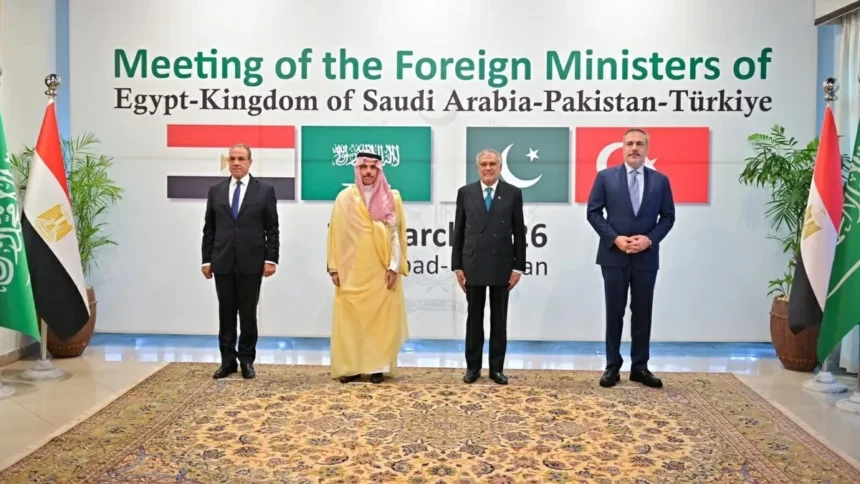
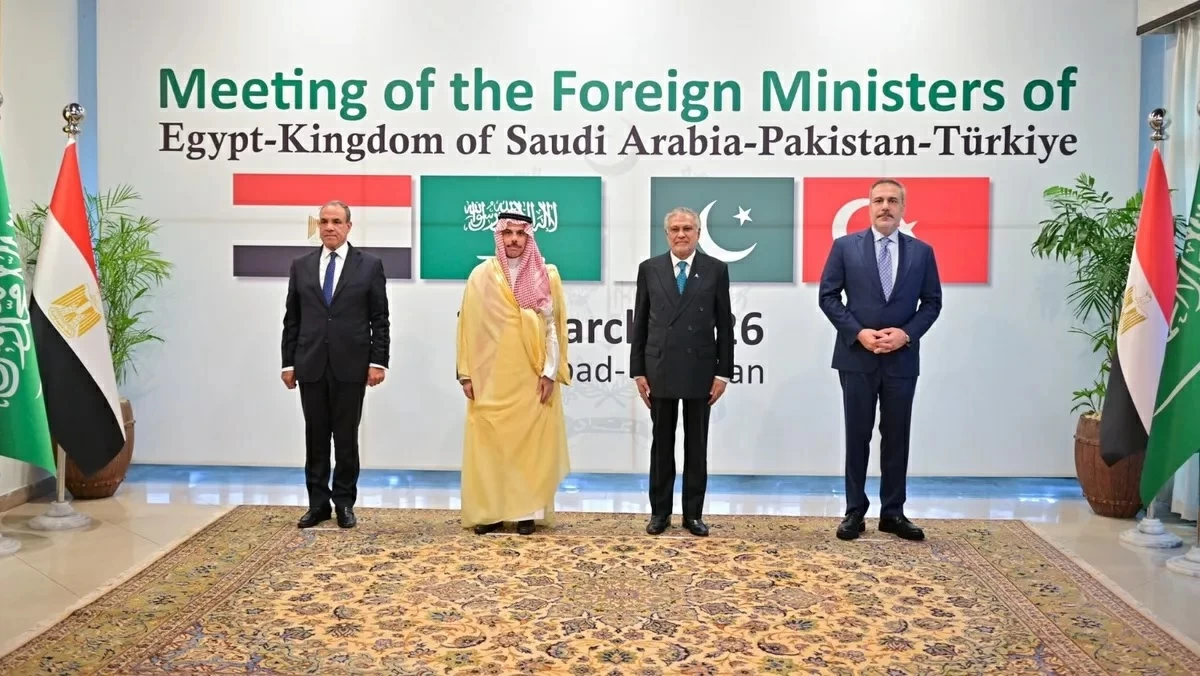
ويستضيف وزير الخارجية التركي هاكان فيدان اجتماعاً للرباعية الإقليمية التي تضم السعودية ومصر وتركيا وباكستان، يعقبه لقاء موسعاً مع وزراء خارجية فرنسا وألمانيا وبريطانيا، في أول اجتماع بصيغة “R4+E3″، بهدف تعزيز التشاور بين القوى الإقليمية والأوروبية بشأن التحديات المشتركة.
يشارك في الاجتماعات وزراء خارجية السعودية الأمير فيصل بن فرحان، ومصر بدر عبد العاطي، وباكستان إسحاق دار، وألمانيا يوهان فاديفول، وبريطانيا إد ميليباند، وفرنسا جان نويل بارو.
توسيع التنسيق مع القوى الأوروبية
وتأتي اجتماعات إسطنبول بعد نحو شهر من لقاء الرباعية الإقليمية في نيويورك، في 21 سبتمبر، على هامش اجتماعات الجمعية العامة للأمم المتحدة، والذي انتهى ببيانٍ مشتركٍ أدان الهجمات الحوثية على السعودية، وأكد دعم أمن المملكة وسيادتها وحقها في الدفاع عن نفسها وفق القانون الدولي.
وجدد الوزراء دعمهم للحكومة اليمنية ومجلس القيادة الرئاسي، وشددوا على أهمية التوصل إلى حلٍ سياسيٍ في اليمن وضمان حرية الملاحة البحرية، إلى جانب تأكيد مواقفهم بشأن القضية الفلسطينية ووحدة السودان، والدعوة إلى معالجة التوترات الإقليمية عبر الحوار والدبلوماسية.
ويمثل اجتماع اليوم فرصةً لمتابعة مخرجات اجتماع نيويورك، وبحث إمكان توسيع التنسيق مع القوى الأوروبية في ظل التطورات الأمنية المتسارعة في المنطقة.
أمن السعودية واتفاقية مكة المكرمة
ويأتي أمن السعودية والملف اليمني بين أبرز محاور الاجتماعات، إذ نقلت وكالة “رويترز” عن مصدرٍ دبلوماسيٍ تركيٍ قوله: إن وزير الخارجية هاكان فيدان سيؤكد دعم بلاده للمملكة في مواجهة الهجمات الحوثية، وسيشدد على أهمية اتفاقية مكة للدفاع المشترك بين السعودية وتركيا وباكستان.
وتأتي هذه المواقف بالتزامن مع خطواتٍ لتفعيل الاتفاقية، عقب اجتماعاتٍ سياسيةٍ وعسكريةٍ للدول الثلاث تناولت تعزيز التنسيق الدفاعي وتطوير آليات العمل المشترك.
ورغم أن اجتماعات إسطنبول منفصلة عن الإطار العسكري لاتفاقية مكة، فإن مشاركة الدول الثلاث الموقعة عليها، إلى جانب مصر والترويكا الأوروبية، تضفي أهميةً سياسيةً إضافيةً على المشاورات، خصوصاً فيما يتعلق بأمن المملكة والتطورات في اليمن.
التوترات بين الولايات المتحدة وإيران،
ومن المتوقع أن تحتل التوترات بين الولايات المتحدة وإيران، وأمن الملاحة في مضيقي هرمز وباب المندب، موقعاً بارزاً في المباحثات.
وبحسب وسائل إعلام تركية، سيؤكد الاجتماع أهمية معالجة الخلافات مع طهران عبر الحوار، وضمان حرية الملاحة في الممرات البحرية الإستراتيجية، بالنظر إلى انعكاسات التوترات على التجارة العالمية وإمدادات الطاقة.
ويمنح حضور فرنسا وألمانيا وبريطانيا هذه المناقشات أهميةً خصوصاً، في ضوء دور الدول الثلاث في الجهود الدبلوماسية المتعلقة بالملف النووي الإيراني.
وتشمل أجندة الاجتماعات القضية الفلسطينية والتطورات في سورية، إلى جانب الحرب الروسية الأوكرانية والجهود الرامية إلى الحد من تداعياتها على أمن البحر الأسود.
وتكمن أهمية اجتماعات إسطنبول في انتقال المشاورات من إطار الرباعية الإقليمية إلى صيغةٍ أوسع تضم ثلاث قوى أوروبية، بما يتيح بحث فرص التقارب بشأن القضايا الأمنية والسياسية المشتركة. ويطرح اللقاء تساؤلاتٍ بشأن إمكان تحول صيغة “R4+E3” إلى آليةٍ منتظمةٍ للتنسيق، ومدى قدرة الدول السبع على بلورة مواقف مشتركةٍ حيال أمن السعودية واليمن والممرات البحرية والتوترات الإقليمية.
All eyes are on the Turkish city of Istanbul, which is hosting, today (Friday), diplomatic meetings bringing together the foreign ministers of 7 regional and European countries to discuss security developments in the Middle East, primarily focusing on the security of Saudi Arabia and Yemen, tensions with Iran, and freedom of navigation.
Enhancing consultation between regional and European powers
Turkish Foreign Minister Hakan Fidan is hosting a meeting of the regional quartet, which includes Saudi Arabia, Egypt, Turkey, and Pakistan, followed by an expanded meeting with the foreign ministers of France, Germany, and Britain, in the first meeting in the “R4+E3” format, aimed at enhancing consultation between regional and European powers regarding common challenges.
The meetings will include the foreign ministers of Saudi Arabia, Prince Faisal bin Farhan, Egypt’s Badr Abdel Atti, Pakistan’s Ishaq Dar, Germany’s Johan Wadephol, Britain’s Ed Miliband, and France’s Jean-Noël Barrot.
Expanding coordination with European powers
The Istanbul meetings come about a month after the regional quartet meeting in New York on September 21, held on the sidelines of the United Nations General Assembly, which concluded with a joint statement condemning the Houthi attacks on Saudi Arabia and reaffirming support for the kingdom’s security, sovereignty, and its right to defend itself under international law.
The ministers reiterated their support for the Yemeni government and the Presidential Leadership Council, emphasizing the importance of reaching a political solution in Yemen and ensuring freedom of maritime navigation, along with reaffirming their positions on the Palestinian issue, the unity of Sudan, and calling for addressing regional tensions through dialogue and diplomacy.
Today’s meeting represents an opportunity to follow up on the outcomes of the New York meeting and discuss the possibility of expanding coordination with European powers in light of the rapidly evolving security developments in the region.
The security of Saudi Arabia and the Mecca Agreement
The security of Saudi Arabia and the Yemeni file are among the main topics of the meetings, as the Turkish news agency “Reuters” quoted a Turkish diplomatic source stating that Foreign Minister Hakan Fidan will affirm his country’s support for the kingdom in facing Houthi attacks and will emphasize the importance of the Mecca Agreement for mutual defense between Saudi Arabia, Turkey, and Pakistan.
These positions come in conjunction with steps to activate the agreement, following political and military meetings among the three countries that addressed enhancing defense coordination and developing mechanisms for joint action.
Although the Istanbul meetings are separate from the military framework of the Mecca Agreement, the participation of the three signatory countries, along with Egypt and the European troika, adds additional political significance to the consultations, especially concerning the security of the kingdom and developments in Yemen.
Tensions between the United States and Iran
Tensions between the United States and Iran, as well as the security of navigation in the Strait of Hormuz and Bab el-Mandeb, are expected to feature prominently in the discussions.
According to Turkish media, the meeting will emphasize the importance of addressing disagreements with Tehran through dialogue and ensuring freedom of navigation in strategic maritime corridors, considering the implications of tensions on global trade and energy supplies.
The presence of France, Germany, and Britain lends particular importance to these discussions, in light of the three countries’ roles in diplomatic efforts related to the Iranian nuclear file.
The agenda of the meetings includes the Palestinian issue and developments in Syria, along with the Russian-Ukrainian war and efforts to mitigate its repercussions on the security of the Black Sea.
The significance of the Istanbul meetings lies in the transition of consultations from the framework of the regional quartet to a broader format that includes three European powers, allowing for discussions on opportunities for convergence on common security and political issues. The meeting raises questions about the potential for the “R4+E3” format to evolve into a regular coordination mechanism and the ability of the seven countries to formulate common positions regarding the security of Saudi Arabia, Yemen, maritime corridors, and regional tensions.