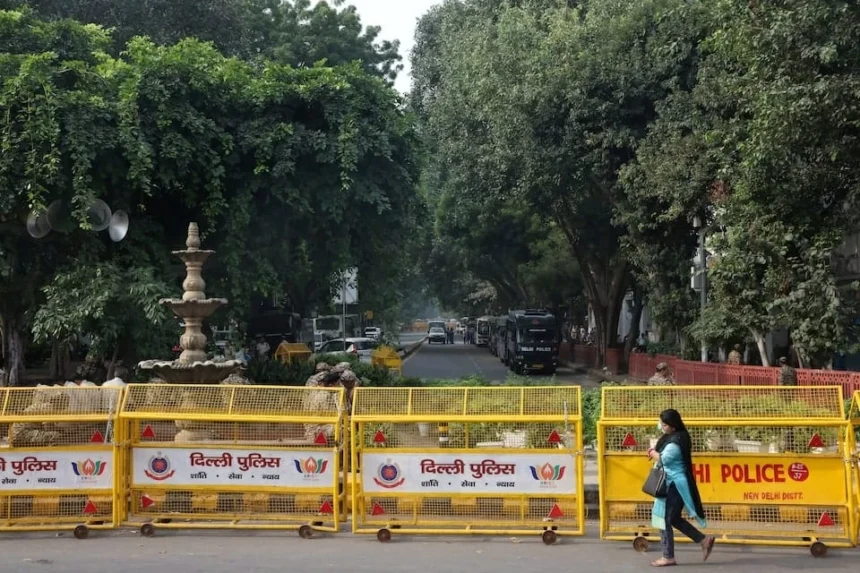
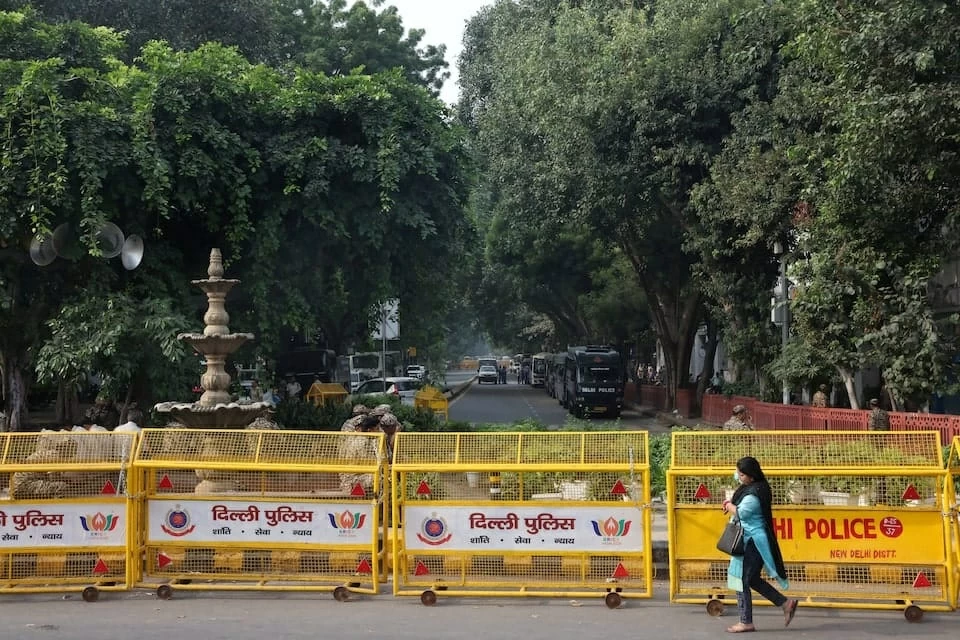
دخلت العاصمة الهندية نيودلهي، الاثنين، تحت إجراءات أمنية مشددة، مع إغلاق ست محطات مترو وفرض قيود مرورية وتحويلات على أكثر من 20 طريقًا، بالتزامن مع استعداد أحزاب المعارضة لتنظيم مسيرة احتجاجية باتجاه المحكمة العليا، اعتراضًا على مراجعة مثيرة للجدل لقوائم الناخبين أسفرت عن حذف أكثر من 130 مليون اسم.
وتأتي هذه التطورات وسط احتجاجات متواصلة منذ أيام، تطالب باستقالة رئيس مفوضية الانتخابات الهندية جيانيش كومار، على خلفية اتهامات للسلطات بإجراء تعديلات على السجلات الانتخابية تصب في مصلحة حزب (بهاراتيا جاناتا) الحاكم، الذي يتزعمه رئيس الوزراء ناريندرا مودي.
وتنفي مفوضية الانتخابات والحزب الحاكم هذه الاتهامات، فيما تؤكد المفوضية أن الأشخاص الذين حُذفت أسماؤهم بالخطأ يمكنهم إعادة تسجيل بياناتهم الانتخابية.
اعتقالات واسعة وإجراءات أمنية في دلهي
وشهدت نيودلهي خلال عطلة نهاية الأسبوع اعتقال آلاف المحتجين، بينهم قيادات في حزب «كوكرات جاناتا» (CJP)؛ وهو حركة شبابية تُعرف باسم (حركة الصراصير)، قبل أن تتدخل السلطات لمنع مسيرات احتجاجية شارك فيها أنصار الحركة.
وانتشرت أعداد كبيرة من قوات الشرطة والأمن في وسط العاصمة، وسط إجراءات مشددة هدفت إلى منع تجمعات جديدة، فيما واصلت أحزاب المعارضة وأنصار الحركة المطالبة بمحاسبة المسؤولين عن مراجعة قوائم الناخبين.
وأعلنت السلطات إغلاق ست محطات مترو، الاثنين، لأسباب أمنية، إلى جانب فرض قيود على حركة المرور وتحويل مسارات المركبات في أكثر من 20 منطقة، ما أثار مخاوف من اضطرابات إضافية في التنقل داخل العاصمة.
المعارضة تتجه إلى المحكمة العليا
وأعلن حزب المؤتمر، أكبر أحزاب المعارضة الهندية، عزمه تنظيم مسيرة إلى المحكمة العليا لتقديم مذكرة إلى رئيس المحكمة، يطالب فيها بوقف ما يصفه بـ«سرقة الأصوات»، واستقالة رئيس مفوضية الانتخابات.
وقال راهول غاندي، أحد أبرز قادة المعارضة، في منشور عبر منصة (إكس): إن الشباب وأحزاب المعارضة ومنظمات المجتمع المدني وجميع المدافعين عن الديمقراطية والدستور الهندي سينضمون إلى التحرك.
لكن رئيس المحكمة العليا، سوريا كانت، رفض طلبًا لعقد اجتماع مباشر مع غاندي ووفد حزب المؤتمر، وفقًا لمصدر في الحزب، موضحًا في رسالة إلكترونية أن على الوفد اللجوء إلى الإجراءات القانونية، نظرًا إلى أن القضية معروضة بالفعل أمام المحكمة وينبغي التعامل معها عبر المسار القضائي.
وفي تحرك منفصل، أعلن حزب (كوكرات جاناتا) عزمه لقاء شرطة دلهي للمطالبة بتحديد موعد لتنظيم احتجاج سلمي، مهددًا بالدعوة إلى مظاهرة جديدة إذا لم يحصل على موعد خلال 24 ساعة.
ماذا حدث لقوائم الناخبين؟
بدأت عملية مراجعة قوائم الناخبين العام الماضي، وشملت عملية التحقق حذف أكثر من 130 مليون اسم؛ وفق بيانات مفوضية الانتخابات الهندية.
وتشمل الأسماء المحذوفة نحو 28 مليون شخص متوفى، و63 مليون شخص انتقلوا إلى أماكن أخرى، و30 مليون شخص تعذر الوصول إليهم، بحسب البيانات الواردة في التقارير بشأن عملية المراجعة.
وتصاعد الجدل بعدما نشرت صحيفة (إنديان إكسبريس) تقريرًا الشهر الماضي أفاد بأن اثنين من نواب رئيس مفوضية الانتخابات أثارا، داخل المؤسسة، مخاوف بشأن تعديلات قوائم الناخبين وإجراءات التسجيل والأنظمة الرقمية المستخدمة في العملية.
وتقول أحزاب المعارضة إن الحذف قد يؤثر بصورة غير متناسبة على الناخبين المسلمين وأقليات أخرى، معتبرة أن هذه الفئات أقل ميلًا إلى دعم حزب مودي القومي الهندوسي. لكن مفوضية الانتخابات والحزب الحاكم يرفضان هذه الاتهامات، ويؤكدان أن مراجعة السجلات تهدف إلى تنقية القوائم من الأسماء غير المستحقة أو غير الصحيحة.
حركة شبابية تزيد الضغوط على مودي
وتبرز حركة (كوكرات جاناتا) باعتبارها أحد التحديات السياسية التي تواجه مودي وحزبه، بعد أكثر من 12 عامًا من وصوله إلى السلطة. وخلال الأشهر الماضية، شارك أنصار الحركة في احتجاجات تناولت قضايا متعددة، من أوضاع البنية التحتية في المدارس الحكومية إلى فرص العمل.
وتشير التطورات الأخيرة إلى اتساع الخلاف بشأن آليات مراجعة قوائم الناخبين، في وقت تتمسك فيه المعارضة بمطالبها، بينما تصر السلطات الانتخابية والحزب الحاكم على رفض اتهامات التلاعب.
وبينما تتواصل التحركات في الشارع، تتجه الأنظار إلى المسار القضائي وما قد يسفر عنه من إجراءات أو قرارات بشأن عملية المراجعة، التي باتت محور مواجهة سياسية واسعة في أكبر دولة في العالم من حيث عدد السكان.
The Indian capital, New Delhi, entered into heightened security measures on Monday, with the closure of six metro stations and traffic restrictions and diversions on more than 20 roads, coinciding with opposition parties’ preparations to organize a protest march towards the Supreme Court, in objection to a controversial review of voter lists that resulted in the removal of more than 130 million names.
These developments come amid ongoing protests for several days, demanding the resignation of the Chief Election Commissioner, Gyanesh Kumar, against the backdrop of accusations against the authorities of making amendments to the electoral records that favor the ruling Bharatiya Janata Party (BJP), led by Prime Minister Narendra Modi.
The Election Commission and the ruling party deny these accusations, while the Commission confirms that individuals whose names were mistakenly removed can re-register their electoral data.
Widespread Arrests and Security Measures in Delhi
New Delhi witnessed the arrest of thousands of protesters over the weekend, including leaders from the “Cokrat Janata” (CJP) party; a youth movement known as the “Cockroach Movement,” before authorities intervened to prevent protest marches involving the movement’s supporters.
A large number of police and security forces were deployed in the center of the capital, amid strict measures aimed at preventing new gatherings, while opposition parties and movement supporters continued to demand accountability for those responsible for the review of the voter lists.
Authorities announced the closure of six metro stations on Monday for security reasons, along with imposing traffic restrictions and rerouting vehicles in more than 20 areas, raising concerns about further disruptions in transportation within the capital.
The Opposition Heads to the Supreme Court
The Congress Party, the largest opposition party in India, announced its intention to organize a march to the Supreme Court to submit a memorandum to the Chief Justice, demanding a halt to what it describes as “vote theft,” and the resignation of the Chief Election Commissioner.
Rahul Gandhi, one of the prominent opposition leaders, stated in a post on the (X) platform that the youth, opposition parties, civil society organizations, and all defenders of democracy and the Indian constitution will join the movement.
However, Chief Justice D.Y. Chandrachud rejected a request for a direct meeting with Gandhi and the Congress delegation, according to a party source, clarifying in an email that the delegation must resort to legal procedures, as the case is already before the court and should be handled through the judicial process.
In a separate move, the Cokrat Janata Party announced its intention to meet with Delhi police to request a date for organizing a peaceful protest, threatening to call for a new demonstration if it does not receive a date within 24 hours.
What Happened to the Voter Lists?
The review process of the voter lists began last year, and the verification process resulted in the removal of more than 130 million names, according to data from the Indian Election Commission.
The deleted names include about 28 million deceased individuals, 63 million who have moved to other places, and 30 million who could not be reached, according to data included in reports about the review process.
The controversy escalated after the Indian Express newspaper published a report last month stating that two deputy chief election commissioners raised concerns within the institution about the amendments to the voter lists, registration procedures, and the digital systems used in the process.
Opposition parties argue that the deletions may disproportionately affect Muslim voters and other minorities, considering that these groups are less likely to support Modi’s Hindu nationalist party. However, the Election Commission and the ruling party reject these accusations, asserting that the review of records aims to cleanse the lists of ineligible or incorrect names.
Youth Movement Increases Pressure on Modi
The Cokrat Janata movement emerges as one of the political challenges facing Modi and his party, after more than 12 years in power. In recent months, supporters of the movement have participated in protests addressing various issues, from the state of infrastructure in public schools to job opportunities.
Recent developments indicate an escalation of the dispute over the mechanisms for reviewing voter lists, as the opposition maintains its demands, while electoral authorities and the ruling party insist on rejecting allegations of manipulation.
As street movements continue, attention is turning to the judicial path and what it may yield in terms of actions or decisions regarding the review process, which has become the focal point of a wide political confrontation in the world’s most populous country.