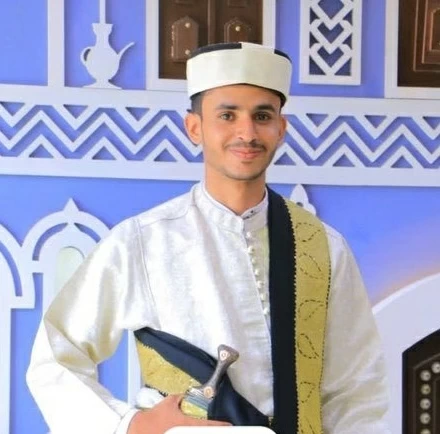
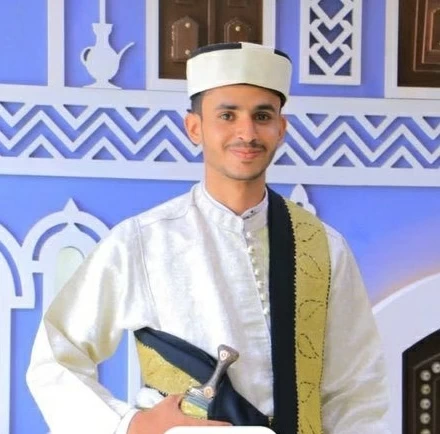
لم تكد تمضي أيام على زواج القيادي الحوثي محمد يحيى الديلمي، حتى انتهت رحلته في جبهات تعز قتيلاً، تاركاً خلفه زوجته سارة التي تحولت تدوينتها التحريضية إلى مادةً واسعةً للتداول على منصات التواصل الاجتماعي في اليمن، وسط موجةً من التعليقات الساخرة والانتقادات الحادة للمليشيا الحوثية وقياداتها.
وأثار مقتل الديلمي جدلاً واسعاً، خصوصاً بعد إعادة تداول منشورات سابقة منسوبة إلى زوجته، تضمنت تهديدات وتحريضاً ضد أبناء تعز، قبل أن تجد نفسها أرملةً بعد أيام قليلة من زفافها.
هدّد أبناء تعز.. فقُتل في جبهاتها
وبحسب ما نشره الناشط الحوثي طه المأخذي، فإن القيادي القتيل محمد يحيى الديلمي سبق أن ظهر في تسجيلات ومنشورات يتفاخر فيها بتهديد أبناء تعز والتحريض عليهم من سواحل المخا، قبل انتقاله إلى جبهات القتال في المحافظة، حيث لقي مقتله.
وأعاد ناشطون يمنيون تداول منشورات منسوبة إلى زوجته سارة، قالوا إنها سخرت فيها من أبناء تعز وهددتهم، ما ضاعف حدة الجدل عقب إعلان مقتل زوجها.
أرملة لأيام.. ومزاعم عن زواج جديد
ولم تتوقف القضية عند مقتل القيادي الحوثي، إذ تداول ناشطون منشورات منسوبة إلى القيادي نصر الدين عامر، تتحدث عن توجيهات أصدرها زعيم الجماعة عبدالملك الحوثي بتزويج أرملة الديلمي من علي حسين بدر الدين الحوثي، نجل شقيق زعيم الجماعة.
وأثارت هذه الرواية تساؤلات بشأن ما يروجه ناشطون عن ممارسات تتعلق بإعادة تزويج أرامل قتلى الحوثيين، إذ زعم بعضهم وجود توجيهات تسمح بتزويج أرملة القتيل فور مقتله من أحد أقاربه أو قيادات الجماعة، دون انتظار انتهاء العدة الشرعية.
ولم يتسنَّ التحقق بصورةٍ مستقلةٍ من صحة المنشورات المنسوبة إلى قيادات الحوثيين أو المزاعم المتعلقة بإعادة تزويج الأرملة، وهي ادعاءات تتعارض، في حال صحتها، مع الأحكام الشرعية المتعلقة بعدة الوفاة.
«إيش نزّلك تعز؟».. سؤال يشعل الجدل
ودخل الصحفي اليمني ورئيس تحرير صحيفة «عدن الغد» فتحي بن لزرق على خط القضية، موجهاً رسالةً إلى القيادي الحوثي القتيل، تساءل فيها عن الجدوى من ذهابه للقتال في تعز، وترك زوجته التي لم يمضِ على زواجهما سوى أيام.
وكتب بن لزرق: «إيش نزّلك تعز؟»، متسائلاً عن الأسباب التي دفعت شاباً في مقتبل العمر إلى القتال ضد أبناء بلده، ليترك خلفه زوجةً شابةً تواجه الترمل المبكر.
وأضاف متسائلاً: «رحت تعز، هل وجدت أمريكان؟ إسرائيليين؟ سعوديين؟»، قبل أن يجيب بأن من قاتلهم الديلمي هم أبناء الأرض الذين ذهب لمواجهتهم.
وأشار إلى أن القيادي الحوثي لم يعد حتى جثةً إلى أسرته، في إشارةٍ إلى المصير الذي انتهى إليه في جبهات القتال.
«نريدها جمهورية.. وهم يريدونها إقطاعية أسرية»
وحمّل بن لزرق المشروع الحوثي مسؤولية دفع الشباب اليمنيين إلى القتال ضد أبناء وطنهم، مؤكداً أن تعز وعدن وبقية المحافظات تجمعها هويةً يمنيةً واحدةً، وأن الصراع الذي تفرضه الجماعة لا يخدم اليمنيين.
واختتم رسالته بمقارنةٍ بين مشروع الدولة الذي ينشده اليمنيون والمشروع الذي تتبناه الجماعة، قائلاً: «نحن نريدها جمهورية نتشارك فيها، وهو يريدها إقطاعيةً أسريةً».
هجوم حوثي على المتفاعلين
وفي مقابل موجة التفاعل الواسعة، شن ناشطون وقيادات حوثية هجوماً على من تناولوا قصة الديلمي وأرملته، بينهم رئيس لجنة الأسرى التابعة للجماعة عبدالقادر المرتضى، الذي نُسبت إليه تعليقات مسيئة بحق صحفيين شاركوا في النقاش.
وتحوّلت قصة القيادي القتيل إلى سجال يتجاوز تفاصيل مقتل شاب بعد أيام من زفافه، ليفتح مجدداً ملف استقطاب الشباب إلى جبهات القتال، والتبعات الاجتماعية والإنسانية للحرب، والجدل بشأن ممارسات الجماعة تجاه أسر قتلاها.
Barely a few days had passed since the marriage of Houthi leader Muhammad Yahya al-Dailami, when his journey on the fronts of Taiz ended with his death, leaving behind his wife Sarah, whose inciting post turned into widely circulated material on social media platforms in Yemen, amidst a wave of sarcastic comments and sharp criticisms of the Houthi militia and its leaders.
The killing of al-Dailami sparked extensive controversy, especially after previous posts attributed to his wife were circulated again, which included threats and incitement against the people of Taiz, before she found herself a widow just days after her wedding.
Threatened the people of Taiz… and was killed on their fronts
According to what was published by Houthi activist Taha al-Makhadhi, the slain leader Muhammad Yahya al-Dailami had previously appeared in recordings and posts bragging about threatening the people of Taiz and inciting against them from the shores of Al-Mokha, before moving to the fighting fronts in the governorate, where he met his death.
Yemeni activists circulated posts attributed to his wife Sarah, in which they claimed she mocked the people of Taiz and threatened them, which intensified the controversy following the announcement of her husband’s death.
A widow for days… and claims of a new marriage
The issue did not stop at the killing of the Houthi leader, as activists circulated posts attributed to leader Nasr al-Din Amer, discussing directives issued by the group’s leader Abdul-Malik al-Houthi to marry al-Dailami’s widow to Ali Hussein Badr al-Din al-Houthi, the nephew of the group’s leader.
This narrative raised questions about what activists are promoting regarding practices related to remarrying the widows of Houthi casualties, as some claimed there are directives allowing the widow of the slain to be married immediately after his death to one of his relatives or group leaders, without waiting for the end of the legal mourning period.
It has not been possible to independently verify the authenticity of the posts attributed to Houthi leaders or the claims related to remarrying the widow, which, if true, contradict the legal rulings concerning the mourning period for a deceased spouse.
“What brought you to Taiz?”… a question igniting the debate
Yemeni journalist and editor-in-chief of the newspaper “Aden al-Ghad” Fathi bin Lazraq entered the fray, directing a message to the slain Houthi leader, questioning the benefit of his going to fight in Taiz, leaving behind his wife, with whom he had been married for only a few days.
Bin Lazraq wrote: “What brought you to Taiz?” questioning the reasons that drove a young man in the prime of his life to fight against his fellow countrymen, leaving behind a young wife facing early widowhood.
He added, questioning: “Did you go to Taiz to find Americans? Israelis? Saudis?” before answering that those al-Dailami fought against were the people of the land he went to confront.
He pointed out that the Houthi leader did not return even as a corpse to his family, referring to the fate that befell him on the battlefronts.
“We want it to be a republic… and they want it to be a family feudal estate”
Bin Lazraq held the Houthi project responsible for pushing Yemeni youth to fight against their fellow countrymen, affirming that Taiz, Aden, and the rest of the governorates share a single Yemeni identity, and that the conflict imposed by the group does not serve the Yemenis.
He concluded his message with a comparison between the state project that Yemenis aspire to and the project adopted by the group, saying: “We want it to be a republic that we share, while they want it to be a family feudal estate.”
Houthi attack on the interactants
In response to the widespread interaction, Houthi activists and leaders launched an attack on those who discussed the story of al-Dailami and his widow, including the head of the group’s prisoners’ committee, Abdul-Qadir al-Murtada, who was attributed with offensive comments against journalists participating in the discussion.
The story of the slain leader turned into a debate that transcended the details of a young man’s death just days after his wedding, reopening the file on the recruitment of youth to the battlefronts, the social and humanitarian repercussions of the war, and the controversy surrounding the group’s practices towards the families of its casualties.