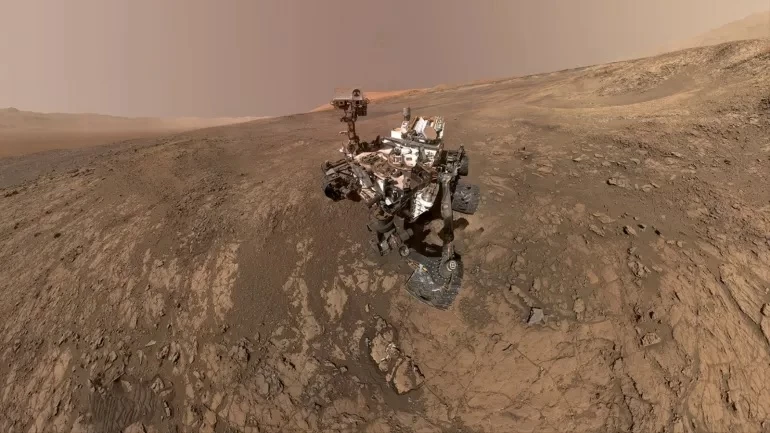
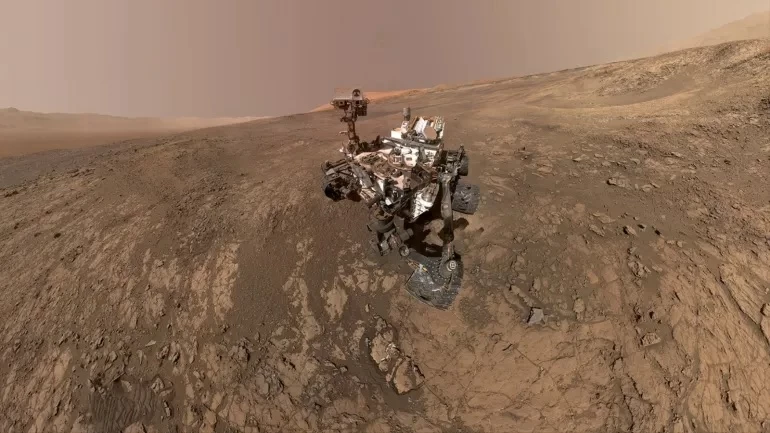
داخل امتداد جيولوجي في منطقة «نيريتفا فاليس» على سطح المريخ، سجلت مركبة «برسيفيرنس» التابعة لوكالة ناسا ملاحظة غير متوقعة في قلب صخور تشكلت عندما كانت المياه لا تزال تتدفق هناك قبل مليارات السنين. فقد كشفت القياسات عن تركيزات مرتفعة بشكل لافت من معدن النيكل في عدد من العينات الصخرية القديمة.
هذا الاكتشاف، القادم من فوهة «جيزيرو» التي كانت في ما مضى بحيرة محتملة، لا يقدم إجابة نهائية بقدر ما يضيف طبقة جديدة إلى سؤال طويل حول تاريخ الكوكب الأحمر. فمن بين 126 صخرة تمت دراستها، ظهر النيكل في 32 عينة، بنسب وصلت إلى 1.1%، وهي قيمة غير مألوفة في جيولوجيا المريخ.
الأدوات العلمية على متن «برسيفيرنس» – من الليزر إلى التحليل بالأشعة السينية والأشعة تحت الحمراء – رسمت صورة أكثر تعقيداً لهذه البيئة القديمة، حيث تتقاطع المعادن مع مركبات كربونية في تكوينات تثير اهتمام الباحثين.
وبحسب الباحث في علوم الكواكب هنري مانيلسكي من جامعة بوردو، فإن وجود النيكل بهذه الكثافة على السطح يطرح تساؤلات حول مسار تشكل الصخور وتطورها، إذ إن هذا العنصر غالباً ما يتركز في نوى الكواكب خلال مراحل التكوين الأولى.
ما لفت انتباه العلماء بشكل خاص هو التشابه بين بعض هذه التكوينات المعدنية ونظائرها على الأرض، حيث ترتبط عادة ببيئات فقيرة بالأكسجين وقد تحمل في بعض الحالات بصمات نشاط ميكروبي قديم، دون أن يعني ذلك وجود حياة بشكل مباشر.
ورغم هذا الترابط المحتمل، يبقى التفسير مفتوحاً؛ فالمصادر المحتملة للنيكل قد تكون بركانية أو ناتجة عن اصطدام نيزكي غني بهذا المعدن، ما يجعل العلاقة بين الكيمياء العضوية والمعادن في هذا الموقع مسألة قيد البحث.
في النهاية، لا يقدّم الاكتشاف دليلاً على وجود حياة، لكنه يعيد ترتيب الأسئلة حول ما كانت عليه بيئة المريخ يوماً ما، وكيف يمكن أن تكون قد احتفظت بآثار من ماضٍ أكثر تعقيداً مما يظهر على السطح اليوم.
Within a geological extension in the “Neritva Vallis” region on the surface of Mars, NASA’s “Perseverance” rover recorded an unexpected observation in the heart of rocks that formed when water was still flowing there billions of years ago. Measurements revealed strikingly high concentrations of the metal nickel in several ancient rock samples.
This discovery, coming from the “Jezero” crater, which was once a potential lake, does not provide a definitive answer but adds a new layer to a long-standing question about the history of the red planet. Among the 126 rocks studied, nickel appeared in 32 samples, with concentrations reaching 1.1%, a value that is unusual in Martian geology.
The scientific instruments aboard “Perseverance” – from lasers to X-ray and infrared analysis – painted a more complex picture of this ancient environment, where metals intersect with carbon compounds in formations that intrigue researchers.
According to planetary scientist Henry Manilsky from Purdue University, the presence of nickel at such density on the surface raises questions about the formation and evolution of the rocks, as this element is often concentrated in planetary cores during the early stages of formation.
What particularly caught the scientists’ attention is the similarity between some of these mineral formations and their counterparts on Earth, which are typically associated with oxygen-poor environments and may carry, in some cases, traces of ancient microbial activity, though this does not directly imply the presence of life.
Despite this potential connection, the interpretation remains open; potential sources of nickel could be volcanic or the result of a meteorite impact rich in this metal, making the relationship between organic chemistry and minerals at this site a matter of ongoing research.
In the end, the discovery does not provide evidence of life, but it rearranges the questions about what the Martian environment might have been like at one time and how it may have preserved traces of a more complex past than what is visible on the surface today.