

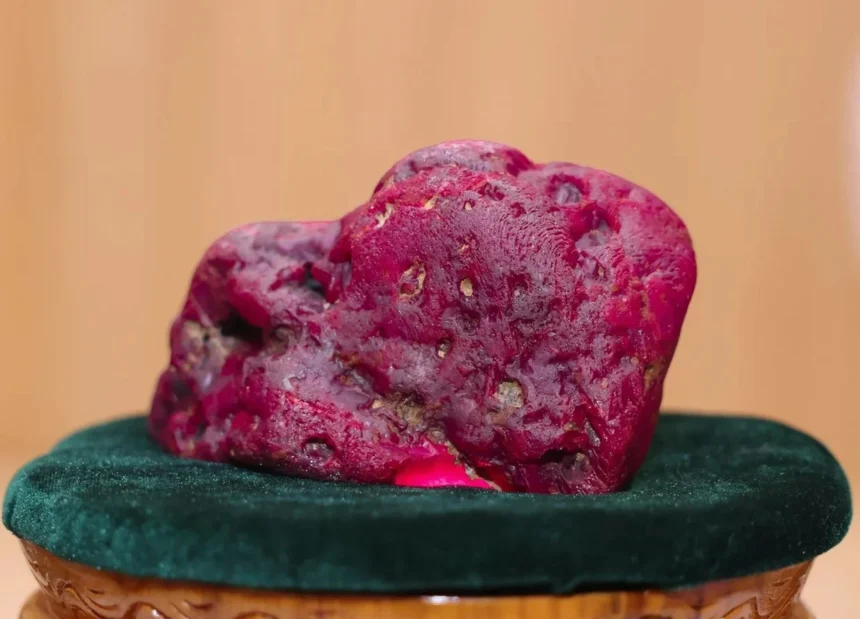
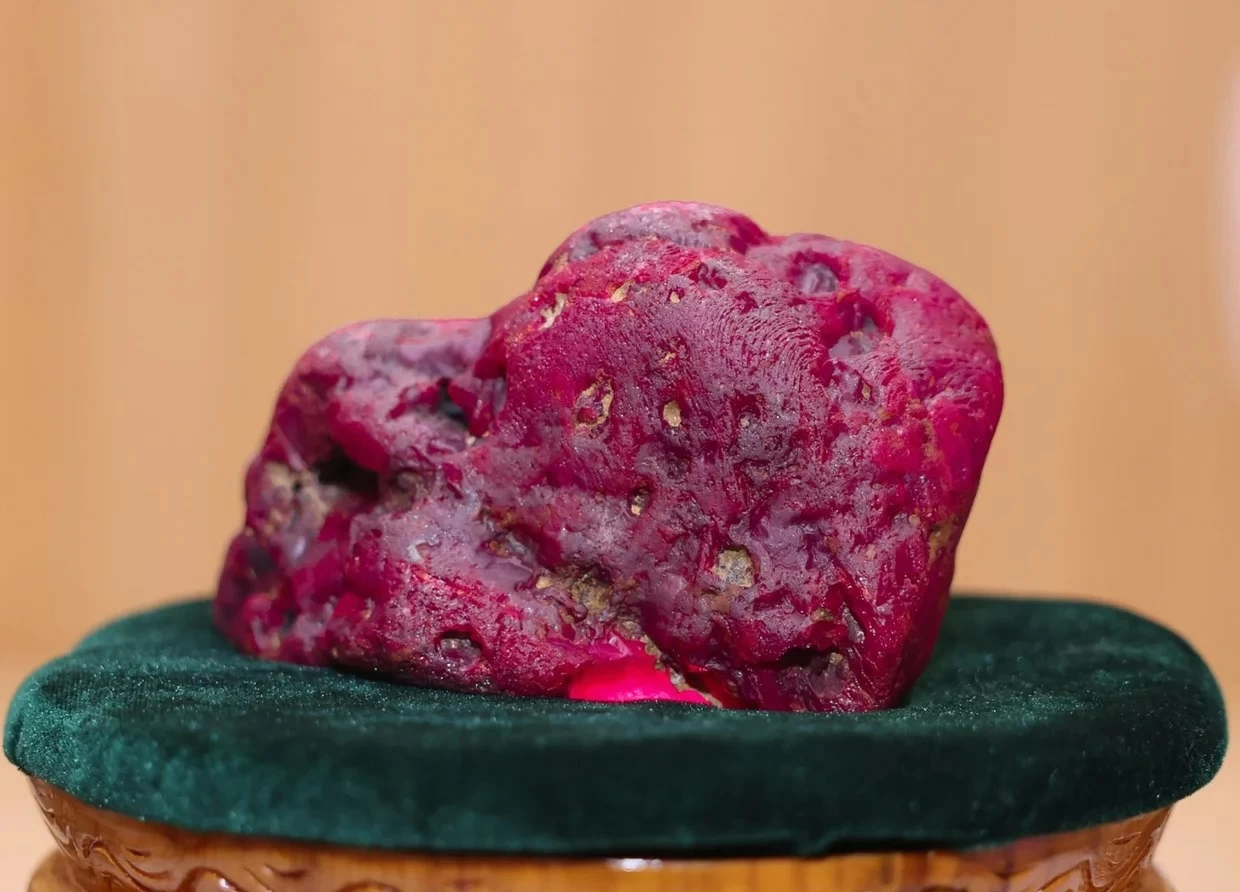
أعلنت وسائل إعلام رسمية في ميانمار اكتشاف ياقوتة نادرة ضخمة الحجم، تُعد الثانية الأكبر من حيث الوزن التي يتم العثور عليها في البلاد، وذلك في منطقة موغوك الشهيرة بصناعة الأحجار الكريمة شمالي إقليم ماندالاي.
ويبلغ وزن الياقوتة المكتشفة حديثاً نحو 11 ألف قيراط، أي ما يعادل نحو 4.8 رطل، وتم استخراجها في منتصف أبريل الماضي، عقب احتفالات رأس السنة التقليدية.
ورغم أن وزنها يقل بنحو النصف عن أكبر ياقوتة اكتُشفت في ميانمار عام 1996، التي بلغ وزنها 21,450 قيراطاً، فإن الخبراء يعتبرون الحجر الجديد أكثر قيمة بفضل جودته العالية ولونه المميز.
ووُصفت الياقوتة بأنها ذات لون أحمر مائل إلى الأرجواني مع لمسات صفراء خفيفة، وتتميز بدرجة لونية عالية الجودة، وشفافية متوسطة، وسطح شديد الانعكاس، ما يعزز قيمتها التجارية بشكل كبير.
وتُعد ميانمار أكبر منتج للياقوت في العالم، حيث توفر ما يصل إلى 90% من الإنتاج العالمي، خصوصاً من منطقتي موغوك ومونغ هسو، اللتين تشكلان مركزاً رئيسياً لصناعة وتجارة الأحجار الكريمة.
غير أن قطاع الأحجار الكريمة في ميانمار ظل لعقود مرتبطاً بالاضطرابات السياسية والصراعات المسلحة، إذ يشكل مصدراً مهماً للدخل لكل من الحكومة العسكرية والجماعات العرقية المسلحة.
ودعت منظمات حقوقية دولية، من بينها «غلوبال ويتنس»، شركات المجوهرات العالمية إلى مقاطعة الأحجار الكريمة القادمة من ميانمار، معتبرة أن عائداتها ساهمت في دعم الأنظمة العسكرية وتمويل النزاعات الداخلية.
ويأتي هذا الاكتشاف في وقت لا تزال فيه مناطق التعدين في البلاد تشهد توترات أمنية متكررة، خصوصاً بعد أن كانت منطقة موغوك مسرحاً لصراعات بين الجيش وجماعات مسلحة عرقية قبل التوصل إلى اتفاق هدنة بوساطة صينية أواخر العام الماضي.
ويرى مراقبون أن الياقوتة الجديدة قد تعزز أهمية ميانمار الاقتصادية في سوق الأحجار الكريمة العالمية، لكنها في الوقت نفسه قد تعيد تسليط الضوء على الجوانب السياسية والإنسانية المرتبطة بهذه الصناعة المربحة.
Official media in Myanmar announced the discovery of a massive rare ruby, considered the second largest by weight found in the country, in the Mogok region, famous for its gemstone industry in northern Mandalay region.
The newly discovered ruby weighs about 11,000 carats, equivalent to approximately 4.8 pounds, and was extracted in mid-April, following the traditional New Year celebrations.
Although its weight is nearly half that of the largest ruby discovered in Myanmar in 1996, which weighed 21,450 carats, experts consider the new stone more valuable due to its high quality and distinctive color.
The ruby has been described as having a red hue with a slight purple tint and faint yellow touches, featuring a high-quality color grade, medium transparency, and a highly reflective surface, significantly enhancing its commercial value.
Myanmar is the largest producer of rubies in the world, providing up to 90% of global production, particularly from the Mogok and Mong Hsu regions, which are major centers for the gemstone industry and trade.
However, the gemstone sector in Myanmar has been linked for decades to political turmoil and armed conflicts, serving as an important source of income for both the military government and armed ethnic groups.
International human rights organizations, including “Global Witness,” have called on global jewelry companies to boycott gemstones coming from Myanmar, considering that their revenues have contributed to supporting military regimes and financing internal conflicts.
This discovery comes at a time when mining areas in the country continue to experience recurring security tensions, especially after the Mogok region was a theater for conflicts between the military and ethnic armed groups before a ceasefire agreement was reached through Chinese mediation late last year.
Observers believe that the new ruby could enhance Myanmar’s economic significance in the global gemstone market, but at the same time, it may bring renewed attention to the political and humanitarian aspects associated with this lucrative industry.