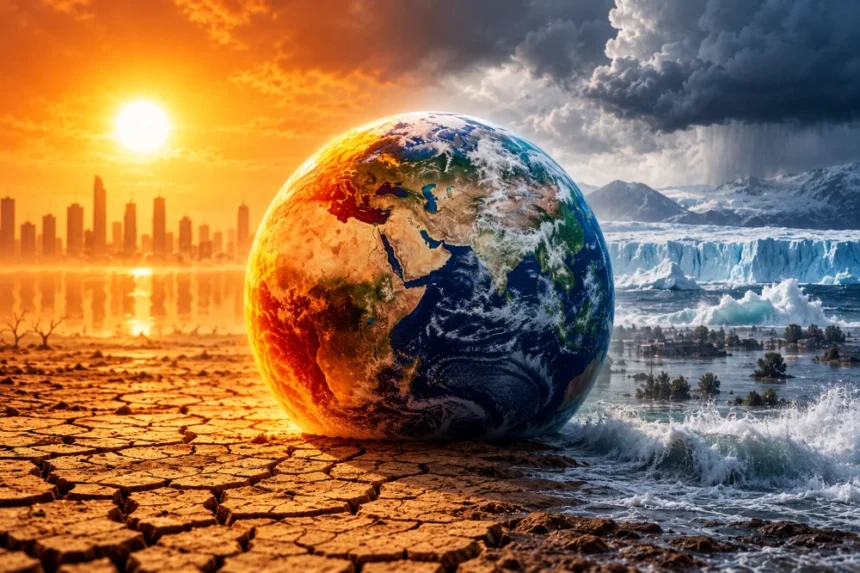
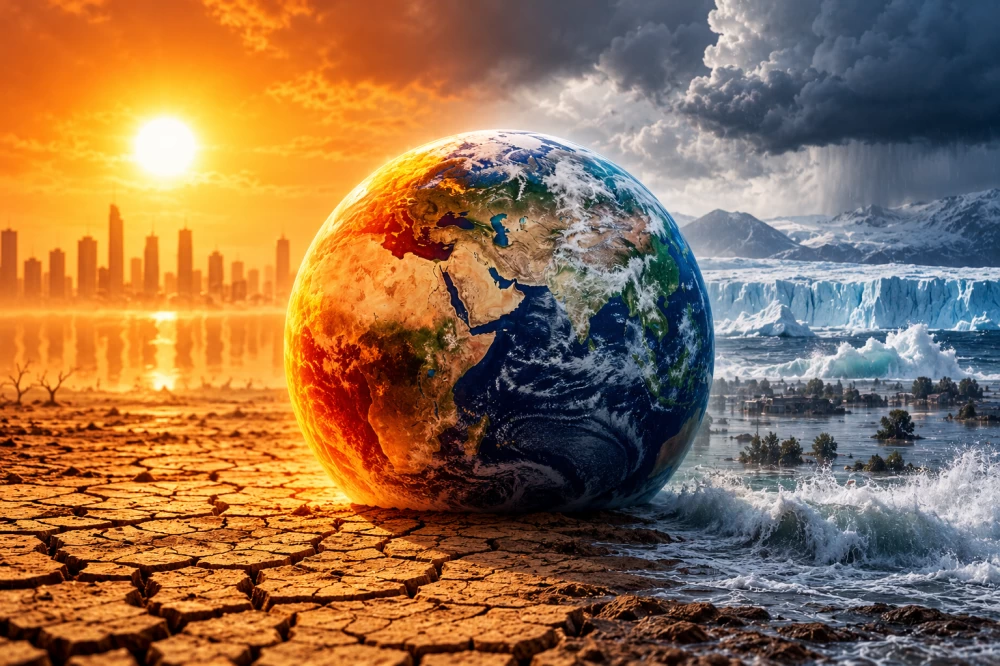
حذر برنامج الأمم المتحدة للبيئة من أن العالم يتجه نحو ارتفاع متوسط درجة حرارة الأرض بمقدار 2.8 درجةً مئويةً فوق مستويات ما قبل الثورة الصناعية بحلول نهاية القرن الحالي، في حال استمرار السياسات المناخية المعمول بها، ما يزيد مخاطر الظواهر الجوية المتطرفة وتداعياتها البيئية والاقتصادية.
وأوضح البرنامج، في تقريره السنوي عن فجوة الانبعاثات الصادر اليوم (الأربعاء)، أن الجهود الدولية الحالية لا تزال غير كافية لتحقيق أهداف اتفاق باريس للمناخ، الذي يسعى إلى إبقاء ارتفاع درجات الحرارة دون درجتين مئويتين، مع بذل الجهود لحصره عند 1.5 درجة.
وأشار التقرير إلى أن تنفيذ جميع التعهدات المناخية الحالية للدول قد يحد من ارتفاع الحرارة إلى 2.6 درجةً مئويةً بحلول عام 2100، فيما يمكن أن ينخفض إلى 2.1 درجةً في حال الوفاء بالتعهدات الإضافية للوصول إلى الحياد الكربوني.
وأكد أن الحد من تفاقم الاحترار العالمي يتطلب خفض انبعاثات الغازات الدفيئة بنسبة 18% بحلول عام 2030، و45% بحلول عام 2035، و69% بحلول عام 2040، مقارنةً بمستويات عام 2025، بينما لا تحقق الخطط الوطنية الحالية سوى جزءٍ محدودٍ من هذه التخفيضات.
وبيّن التقرير أن السيناريو الأكثر تفاؤلاً يتوقع وصول الاحترار العالمي إلى ما بين 1.7 و1.8 درجةً مئويةً بحلول منتصف القرن، قبل إمكانية تراجعه إلى 1.5 درجةً أو أقل بحلول عام 2100، شريطة تنفيذ تخفيضاتٍ كبيرةٍ ومستدامةٍ للانبعاثات وتوسيع تقنيات إزالة ثاني أكسيد الكربون من الغلاف الجوي.
من جانبه، أكد الأمين العام للأمم المتحدة أنطونيو غوتيريش أن تجاوز عتبة 1.5 درجةً لا يعني التخلي عن الجهود المناخية، مشدداً على ضرورة تقليص حجم الارتفاع ومدته والعمل على إعادة درجات الحرارة إلى المستويات المستهدفة.
وحذر البرنامج من أن استمرار ارتفاع درجات الحرارة يزيد احتمالات حدوث موجات حرٍّ شديدةٍ وفيضاناتٍ وحرائق غاباتٍ، فضلاً عن التأثيرات المحتملة على الأمن الغذائي والموارد المائية والأنظمة البيئية.
ورغم هذه التحذيرات، أشار التقرير إلى أن التوسع في استخدام الطاقة المتجددة والسياسات المناخية أسهم في خفض الانبعاثات في عددٍ من الدول والقطاعات، مؤكداً أن تسريع هذه الجهود لا يزال قادراً على الحد من حجم الاحترار العالمي خلال العقود القادمة.
The United Nations Environment Programme has warned that the world is on track for an average global temperature increase of 2.8 degrees Celsius above pre-industrial levels by the end of this century, if current climate policies continue, which increases the risks of extreme weather events and their environmental and economic consequences.
The programme explained in its annual emissions gap report released today (Wednesday) that current international efforts are still insufficient to achieve the goals of the Paris Climate Agreement, which aims to keep the temperature rise below two degrees Celsius while striving to limit it to 1.5 degrees.
The report indicated that implementing all current climate pledges from countries could limit the temperature rise to 2.6 degrees Celsius by 2100, while it could drop to 2.1 degrees if additional commitments to achieve carbon neutrality are met.
It emphasized that limiting the worsening of global warming requires reducing greenhouse gas emissions by 18% by 2030, 45% by 2035, and 69% by 2040, compared to 2025 levels, while current national plans only achieve a limited portion of these reductions.
The report showed that the most optimistic scenario predicts global warming to reach between 1.7 and 1.8 degrees Celsius by mid-century, before potentially decreasing to 1.5 degrees or lower by 2100, provided that significant and sustainable emission reductions are implemented and carbon dioxide removal technologies are expanded.
For his part, UN Secretary-General António Guterres affirmed that exceeding the 1.5-degree threshold does not mean abandoning climate efforts, stressing the need to reduce the magnitude and duration of the rise and work to bring temperatures back to targeted levels.
The programme warned that continued temperature increases raise the likelihood of severe heatwaves, floods, and wildfires, as well as potential impacts on food security, water resources, and ecosystems.
Despite these warnings, the report noted that the expansion of renewable energy use and climate policies has contributed to reducing emissions in several countries and sectors, affirming that accelerating these efforts is still capable of limiting the extent of global warming in the coming decades.