تسبّبت الخلافات داخل التحالف الحاكم في تأجيل حسم المرشح لمنصب رئيس الوزراء العراقي، وأعلن الأمين العام للإطار التنسيقي عباس العامري تأجيل تسمية المرشح للمنصب إلى يوم غدٍ الأربعاء، لافتاً إلى استمرار المشاورات بين قوى الإطار التنسيقي.
وقال العامري في بيان نقلته وكالة الأنباء العراقية (واع)، اليوم الثلاثاء: إن اجتماع الإطار التنسيقي شهد «أجواء إيجابية»، وإن مختلف الآراء طُرحت بشأن مرشح رئاسة الوزراء إلا أن «الموضوع يحتاج إلى وقت أكثر.
وأضاف أن التحالف قرر مواصلة اجتماعاته لاستكمال الحوارات والتوصل إلى قرار نهائي، في إطار مساعٍ لحسم الاستحقاقات الدستورية.
ولفت إلى أن الإطار التنسيقي قرر عقد اجتماعه اليوم الثلاثاء واستكمال الحوارات والوصول إلى نتيجة يوم الأربعاء.
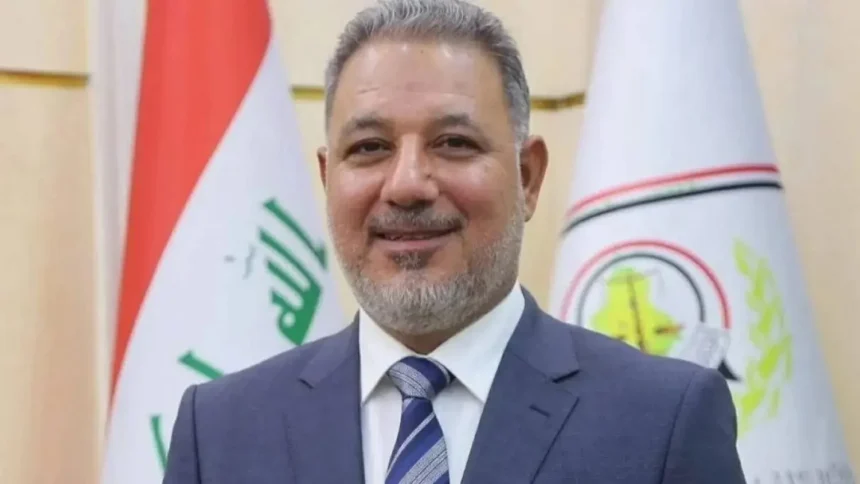
وكان الإطار التنسيقي في العراق أعلن -أمس الإثنين في بيان مقتضب- ترشيح باسم البدري لمنصب رئيس الوزراء.
وأفادت مصادر مطلعة بأن القوى المنضوية في الإطار التنسيقي- وهي الكتلة التي تمتلك العدد الأكبر من الأعضاء في مجلس النواب العراقي– تتجه إلى الاتفاق على تمرير اختيار باسم البدري بأغلبية الثلثين.
يأتي ذلك عقب انتخاب نزار آميدي رئيسا للبلاد في 11 أبريل الجاري، مما يفعّل المهلة الدستورية لتكليف مرشح الكتلة النيابية الكبرى بتشكيل الحكومة.
وتنص المادة 76 من الدستور العراقي على أن رئيس الجمهورية يكلف مرشح الكتلة الأكثر عدداً بتشكيل مجلس الوزراء خلال 15 يوماً من تاريخ انتخابه.
ويعد «الإطار التنسيقي» أكبر تحالف في مجلس النواب، إذ تشير نتائج الانتخابات الأخيرة إلى حصوله على ما بين 130 و140 مقعداً من أصل 329.
وكان التحالف أعلن في شهر يناير الماضي، ترشيح نوري المالكي للمنصب، إلا أن هذا الترشيح واجه اعتراضات، بينها موقف للرئيس الأمريكي دونالد ترمب دعا فيه بغداد إلى عدم انتخابه.
وهدّد ترمب يوم 27 يناير الماضي بوقف الدعم الأمريكي لبغداد إن عاد المالكي إلى رئاسة الحكومة، فضلاً عن اعتراضات من قوى داخل الإطار التنسيقي، منها تيار الحكمة بزعامة عمار الحكيم وحركة «عصائب أهل الحق» بزعامة قيس الخزعلي.
The disagreements within the ruling coalition have led to the postponement of the decision on the candidate for the position of Iraqi Prime Minister. The Secretary-General of the Coordination Framework, Abbas Al-Amiri, announced the postponement of naming the candidate for the position until tomorrow, Wednesday, noting that consultations among the forces of the Coordination Framework are ongoing.
Al-Amiri stated in a statement reported by the Iraqi News Agency (INA) today, Tuesday, that the Coordination Framework meeting witnessed “positive atmospheres,” and various opinions were raised regarding the Prime Minister candidate, but “the matter requires more time.”
He added that the coalition decided to continue its meetings to complete the discussions and reach a final decision, as part of efforts to resolve constitutional entitlements.
He pointed out that the Coordination Framework decided to hold its meeting today, Tuesday, to continue the discussions and reach a conclusion on Wednesday.
Yesterday, Monday, the Coordination Framework in Iraq announced in a brief statement the nomination of Basim Al-Budairi for the position of Prime Minister.
Informed sources indicated that the forces within the Coordination Framework – which is the bloc with the largest number of members in the Iraqi Parliament – are moving towards agreeing to pass the selection of Basim Al-Budairi by a two-thirds majority.
This comes after the election of Nizar Amidi as President of the country on April 11, which activates the constitutional deadline for assigning the candidate of the largest parliamentary bloc to form the government.
Article 76 of the Iraqi Constitution states that the President of the Republic assigns the candidate of the largest bloc to form the Council of Ministers within 15 days from the date of their election.
The “Coordination Framework” is considered the largest coalition in the Parliament, as the results of the recent elections indicate that it obtained between 130 and 140 seats out of 329.
The coalition announced in January that it had nominated Nouri Al-Maliki for the position, but this nomination faced objections, including a stance from U.S. President Donald Trump, who urged Baghdad not to elect him.
Trump threatened on January 27 to halt American support for Baghdad if Al-Maliki returned to the premiership, in addition to objections from forces within the Coordination Framework, including the Wisdom Movement led by Ammar Al-Hakim and the “Asa’ib Ahl al-Haq” movement led by Qais Khazali.