



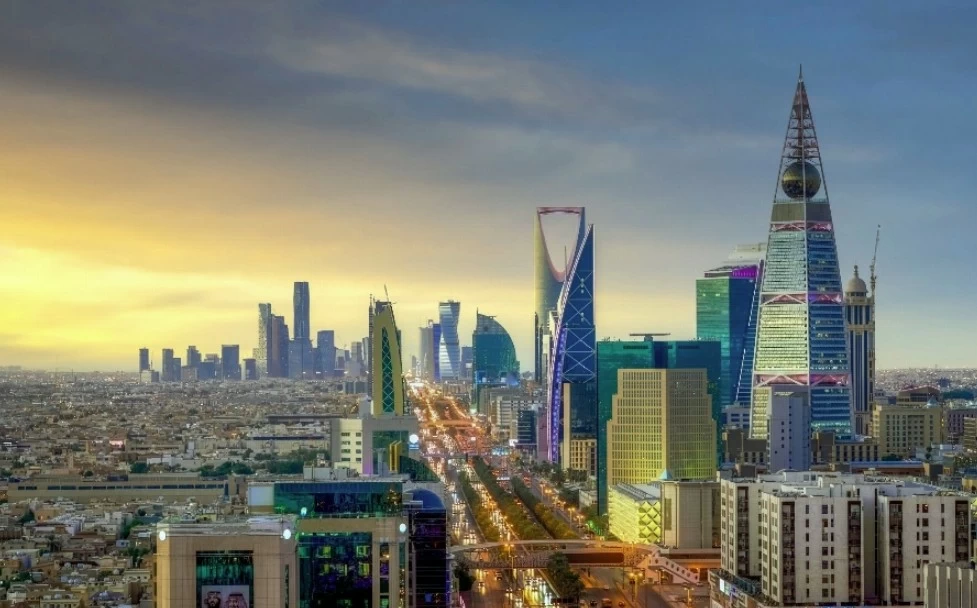
تطوي الرياض في العام القادم آخر صفحات لظى وحرارة الصيف التي لازمت العاصمة منذ نشأتها، ويتوقع هبوط وانخفاض حرارة إسفلت وجدران الرياض بمعدلات تراوح بين 8 و15 درجة مئوية بعد «تنفيذ مشروع التبريد» العملاق في العام 2027م عن طريق تقنية «التبريد الحضري».
وتشير المعلومات إلى أن مشروع التبريد يستهدف في مرحلته الأولى أحياء عرفت بطقسها اللاهب والحار بسبب نوعية المواد المستخدمة في مبانيها كالطوب والزجاج.
ويرتكز المشروع المرتقب على حلول متقدمة في التبريد مثل تكثيف مستويات الأكسجين، والاعتماد على مواد ملائمة في السفلتة ومضامير رياضة السير، وفتح قنوات مائية ونوافير، والتوسع في التظليل بالأشجار.
ويأتي مشروع التبريد المرتقب مواءمة مع مبادرة السعودية الخضراء التي تستهدف رفع مستوى جودة الحياة وحماية البيئة للأجيال وتقليل الانبعاثات الكربونية وحماية المناطق البرية والبحرية ومكافحة تغير المناخ.
يشار إلى أن عمليات تبريد الطقس استمرت في السعودية مرات عدة، أبرزها تجربة الإسفلت الأبيض التي تقلل درجات الحرارة إلى أكثر من 12 مئوية، وفي وقت سابق أعلنت هيئة الطرق البدء في تجربة الدراسة البحثية الخاصة بـ«تبريد الأسطح الإسفلتية»، كون الطرق تمتص درجة الحرارة أثناء النهار، وتصل درجة حرارتها في بعض الأحيان إلى 70 درجة مئوية. كما أطلقت مبادرة تبريد طرق المشاعر المقدسة بمادة لونية مبتكرة تهدف إلى تخفيف وطأة حرارة الطقس على خطوات ضيوف الرحمن، أثناء رحلتهم الإيمانية لأداء نُسك الحج، في مَشعريْ عرفات ومزدلفة، وممرات المشاة إلى الجمرات، فضلاً عن مراوح الرذاذ والأشجار الظليلة ووحدات التبريد العملاقة في الحرم المكي الشريف التي تعد الأكبر على مستوى العالم.
Next year, Riyadh will turn the last pages of the scorching heat of summer that has accompanied the capital since its inception, and a drop in the temperature of the asphalt and walls of Riyadh is expected, with rates ranging between 8 and 15 degrees Celsius after the “Cooling Project” is implemented in 2027 through the “Urban Cooling” technology.
Information indicates that the cooling project aims, in its first phase, at neighborhoods known for their blazing and hot weather due to the types of materials used in their buildings, such as brick and glass.
The anticipated project relies on advanced cooling solutions, such as intensifying oxygen levels, using suitable materials for asphalt and walking tracks, opening water channels and fountains, and expanding shading with trees.
The upcoming cooling project aligns with the Saudi Green Initiative, which aims to enhance the quality of life and protect the environment for future generations, reduce carbon emissions, protect terrestrial and marine areas, and combat climate change.
It is noted that weather cooling operations have been carried out several times in Saudi Arabia, the most notable of which is the white asphalt experiment that reduces temperatures by more than 12 degrees Celsius. Earlier, the Roads Authority announced the start of a research study on “Cooling Asphalt Surfaces,” as roads absorb heat during the day, sometimes reaching temperatures of 70 degrees Celsius. The initiative to cool the roads of the holy sites was also launched using an innovative coloring material aimed at alleviating the heat on the steps of the guests of Allah during their spiritual journey to perform the rituals of Hajj, in the areas of Arafat and Muzdalifah, and the pedestrian pathways to the Jamaraat, in addition to mist fans, shaded trees, and giant cooling units in the Grand Mosque, which are the largest in the world.


