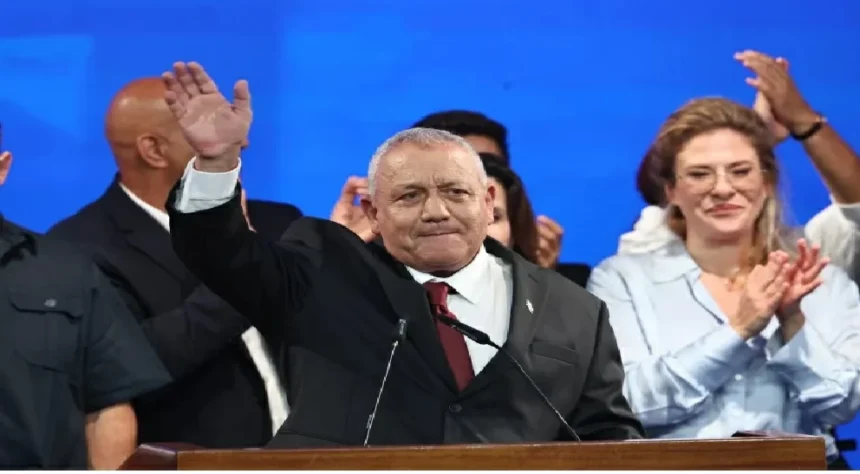
فيما كلف الرئيس الإسرائيلي إسحاق هرتسوغ زعيم حزب «يشار» غادي آيزنكوت بتشكيل الحكومة الجديدة، إلا أن هذا الإجراء وحده لا يكفي لإنجاز المهمة المرتقبة، إذ لا يملك المعسكر الساعي إلى إزاحة نتنياهو سوى 48 مقعداً، ويحتاج إلى دعم أحزاب عربية أو حريدية يرفض بعض حلفائه الاعتماد عليها. وبحسب موقع «يديعوت أحرونوت»، ينتظر آيزنكوت مفاوضات شاقة تتوزع على 4 سيناريوهات تتفاوت فرص نجاحها، وهي:
ائتلاف حريدي بدعم عربي
ويقضي هذا السيناريو بضم حزب «يهوديت هتوراه» الحريدي إلى الائتلاف الحكومي، مع الحصول على دعم خارجي من القائمة العربية الموحدة (راعم). ويمكن بهذه الصيغة أن تحظى الحكومة نظرياً بتأييد 63 نائباً، بما يتيح لآيزنكوت تولي السلطة والسعي إلى توسيع ائتلافه، وربما ضم حزب شاس الحريدي. إلا أن هذا المسار يصطدم في رأي البعض بعقبتين: أولاهما رفض رئيس حزب «إسرائيل بيتنا» اليميني أفيغدور ليبرمان الاستناد إلى أصوات الأحزاب العربية، وثانيتهما تعهد معسكر آيزنكوت انتخابياً بتوسيع نطاق التجنيد العسكري للحريديم، وهو ما يعقّد التفاهم مع أحزابهم.
حكومة أقلية بـ48 مقعداً
ويعتمد السيناريو الثاني على تشكيل حكومة أقلية من الأحزاب الأربعة المنضوية في معسكر آيزنكوت، والتي تملك 48 مقعداً، على أمل استقطاب شركاء جدد بعد تولي الحكم. بيد أن هذه الحكومة ستبقى بعيدة عن أغلبية الـ61 مقعداً، وإن كان بإمكانها نيل ثقة الكنيست إذا تجاوزت الأصوات المؤيدة لها الأصوات المعارضة، بامتناع عدد كاف من النواب عن التصويت. لكنّ استمرارها وقدرتها على تمرير القوانين والميزانية سيظلان مرهونين بالتفاهم مع الأحزاب العربية أو الحريدية، فضلاً عن معارضة ليبرمان ونفتالي بينيت -شريك زعيم المعارضة يائير لبيد في حزب بيحاد- أصلاً لتشكيل حكومة أقلية.
وتقوم الخطة على افتراض أن خروج نتنياهو من رئاسة الحكومة سيضعف نفوذه على الأحزاب الحريدية، خصوصاً «شاس»، بما قد يشجعها في وقت لاحق على الانضمام إلى ائتلاف آيزنكوت. ولذلك قد يحاول الأخير إقناع شركائه بتشكيل حكومة أقلية بوصفها خطوة أولى نحو ائتلاف أوسع، لا صيغة نهائية للحكم.
حكومة وحدة مع نتنياهو
فيما يتمثل السيناريو الثالث في تشكيل حكومة وحدة تجمع آيزنكوت ونتنياهو، رغم غياب الحماسة لهذا الخيار لدى الطرفين. إذ يتمسك آيزنكوت باستنفاد فرص تشكيل حكومة تستبعد نتنياهو قبل النظر في أي شراكة معه. ويرى زعيم المعارضة لبيد أن حملة الليكود للتشكيك في نتائج الانتخابات تحول دون التفاوض معه على حكومة وحدة. لكن الأوساط السياسية لا تستبعد أن يراجع نتنياهو موقفه إذا اقتنع بأن حكومة بديلة توشك على التشكل دونه، وهو ما قد يفتح باب التفاوض على التناوب في رئاسة الوزراء.
فشل تكليف آيزنكوت
أما الاحتمال الرابع والأخير، فهو أن تنقضي مهلة آيزنكوت البالغة 28 يوماً، وربما تمديدها 14 يوماً إضافياً، دون أن يتمكن من تشكيل ائتلاف ينال ثقة الكنيست. وهنا يرجح انتقال التكليف إلى نتنياهو، الذي سيجد نفسه أمام معضلة برلمانية لا تقل تعقيداً عن تلك التي واجهها منافسه. لكنّ هذا الانتقال ليس تلقائياً، إذ يتيح القانون للرئيس تكليف عضو آخر في الكنيست لمدة 28 يوماً غير قابلة للتمديد، أو إعلان تعذر تشكيل حكومة. وترجح الصحيفة أن يكون تعثر آيزنكوت أقرب السيناريوهات إلى التحقق في الظروف الحالية، وإن كانت تصنف احتماله بأنه «متوسط».
While Israeli President Isaac Herzog has tasked Yisrael Beiteinu leader Gadi Eisenkot with forming a new government, this step alone is not sufficient to accomplish the anticipated mission, as the camp seeking to oust Netanyahu holds only 48 seats and requires support from Arab or Haredi parties, which some of his allies refuse to rely on. According to Yedioth Ahronoth, Eisenkot is expecting tough negotiations that will revolve around four scenarios with varying chances of success, which are:
Haredi Coalition with Arab Support
This scenario involves including the Haredi party “United Torah Judaism” in the government coalition, with external support from the United Arab List (Ra’am). In this arrangement, the government could theoretically receive the backing of 63 members, allowing Eisenkot to take power and seek to expand his coalition, possibly including the Haredi Shas party. However, some believe this path faces two obstacles: the first is the refusal of right-wing Yisrael Beiteinu leader Avigdor Lieberman to rely on the votes of Arab parties, and the second is Eisenkot’s electoral commitment to expand military conscription for Haredim, which complicates understanding with their parties.
Minority Government with 48 Seats
The second scenario relies on forming a minority government from the four parties within Eisenkot’s camp, which hold 48 seats, hoping to attract new partners after taking power. However, this government will remain far from the majority of 61 seats, although it could gain the confidence of the Knesset if the supporting votes exceed the opposing ones, provided a sufficient number of members abstain from voting. Nevertheless, its continuity and ability to pass laws and the budget will remain contingent on understanding with Arab or Haredi parties, in addition to the opposition from Lieberman and Naftali Bennett—Lapid’s partner in the Yesh Atid party—against forming a minority government.
The plan assumes that Netanyahu’s departure from the premiership will weaken his influence over the Haredi parties, especially Shas, which may encourage them later to join Eisenkot’s coalition. Therefore, Eisenkot may try to convince his partners to form a minority government as a first step towards a broader coalition, not a final governance formula.
Unity Government with Netanyahu
The third scenario involves forming a unity government that brings together Eisenkot and Netanyahu, despite the lack of enthusiasm for this option from both sides. Eisenkot insists on exhausting opportunities to form a government that excludes Netanyahu before considering any partnership with him. Opposition leader Lapid believes that the Likud party’s campaign to question the election results prevents negotiations with him for a unity government. However, political circles do not rule out that Netanyahu may reconsider his position if he is convinced that an alternative government is about to form without him, which could open the door for negotiations on a rotation in the premiership.
Eisenkot’s Assignment Fails
The fourth and final possibility is that Eisenkot’s 28-day deadline, which could be extended by an additional 14 days, expires without him being able to form a coalition that gains the Knesset’s confidence. Here, it is likely that the assignment will transfer to Netanyahu, who will find himself facing a parliamentary dilemma no less complicated than that faced by his rival. However, this transition is not automatic, as the law allows the president to assign another Knesset member for a non-extendable 28 days or to declare the impossibility of forming a government. The newspaper suggests that Eisenkot’s failure is the scenario most likely to materialize under the current circumstances, although it classifies its probability as “medium.”