



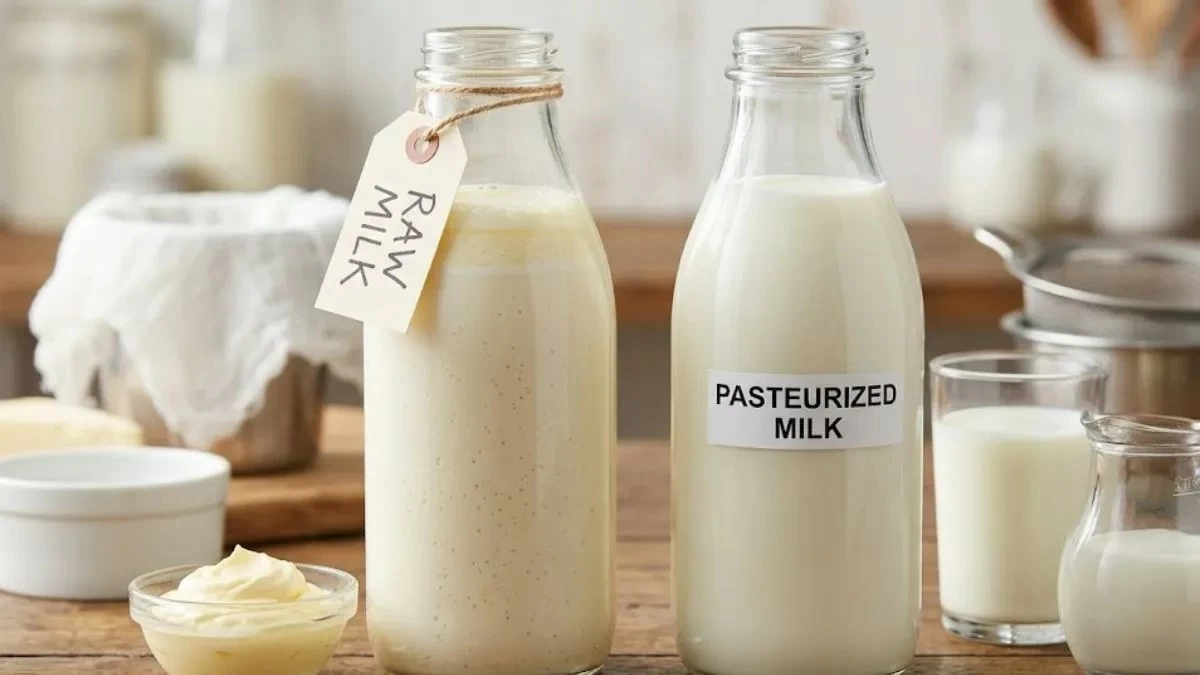
شهد الحليب الخام في السنوات الأخيرة رواجاً متزايداً بين مجتمعات الصحة والعافية ومستخدمي وسائل التواصل الاجتماعي، حيث يروج له البعض باعتباره خياراً طبيعياً وأكثر فائدة من الحليب المبستر، مع مزاعم بأنه يعزز الهضم، ويدعم المناعة، ويحسن الصحة العامة.
لكن خبراء التغذية يؤكدون أن هذه الادعاءات لا تستند إلى أدلة علمية قوية، مشددين على أهمية التفريق بين المعلومات الدقيقة والاتجاهات الشائعة، بحسب موقع onlymyhealth الهندي.
وأوضحت رئيسة خدمات التغذية العلاجية والحمية بمستشفى أستر CMI في بنغالور إدوينا راج، أن عملية بسترة الحليب تعتمد على تسخينه إلى درجة حرارة معينة للقضاء على البكتيريا الضارة، مثل السالمونيلا، والإشريكية القولونية، والليستيريا، وهي ميكروبات قد تسبب أمراضاً خطيرة، خاصة للأطفال، والحوامل، وكبار السن، وأصحاب المناعة الضعيفة.
وأكدت أن وجود هذه البكتيريا في الحليب الخام ليس احتمالاً نادراً، بل يمثل خطراً موثقاً على الصحة العامة منذ عقود.
ووفقاً لتقرير أمربكي صادر في 2025 عن مراكز السيطرة على الأمراض والوقاية منها (CDC)، فإن الحليب المبستر يوفر القيمة الغذائية نفسها الموجودة في الحليب الخام، بما في ذلك الكالسيوم، والبروتين، والفيتامينات الأساسية، دون مخاطر العدوى المرتبطة بالحليب غير المعالج.
وأضافت راج أن الاعتقاد بأن البسترة تقلل القيمة الغذائية للحليب يعد مفهوماً خاطئاً، إذ إن الفروق الغذائية بين الحليب الخام والمبستر طفيفة للغاية وغير ذات أهمية سريرية.
وبالتالي، فإن اختيار الحليب المبستر لا يعني التضحية بأي فوائد غذائية حقيقية، بل يوفر نفس الفوائد الصحية مع مستوى أعلى بكثير من الأمان.
وفيما يخص الخيار الأفضل، شددت خبيرة التغذية على أن الحليب المبستر يظل الخيار الأكثر أماناً وصحة لمعظم الناس، موضحة أن الحليب الطبيعي لا يعني دائماً الأفضل أو الأكثر أماناً.
واختتمت بالتأكيد على أن عمليات السلامة الغذائية مثل البسترة لا تسلب الحليب فوائده الطبيعية، بل تحمي المستهلك من مخاطر صحية يمكن تجنبها بسهولة.
Raw milk has seen a growing popularity in recent years among health and wellness communities and social media users, with some promoting it as a natural and more beneficial option than pasteurized milk, claiming that it enhances digestion, supports immunity, and improves overall health.
However, nutrition experts emphasize that these claims are not backed by strong scientific evidence, stressing the importance of distinguishing between accurate information and popular trends, according to the Indian site onlymyhealth.
Edwina Raj, head of therapeutic nutrition and diet services at Aster CMI Hospital in Bangalore, explained that the process of pasteurizing milk involves heating it to a certain temperature to eliminate harmful bacteria, such as Salmonella, E. coli, and Listeria, which are microbes that can cause serious illnesses, especially in children, pregnant women, the elderly, and those with weakened immune systems.
She confirmed that the presence of these bacteria in raw milk is not a rare possibility but represents a documented public health risk for decades.
According to a 2025 report from the Centers for Disease Control and Prevention (CDC), pasteurized milk provides the same nutritional value found in raw milk, including calcium, protein, and essential vitamins, without the infection risks associated with unprocessed milk.
Raj added that the belief that pasteurization reduces the nutritional value of milk is a misconception, as the nutritional differences between raw and pasteurized milk are very minor and clinically insignificant.
Thus, choosing pasteurized milk does not mean sacrificing any real nutritional benefits; rather, it offers the same health benefits with a much higher level of safety.
Regarding the best option, the nutrition expert stressed that pasteurized milk remains the safest and healthiest choice for most people, explaining that natural milk does not always mean better or safer.
She concluded by emphasizing that food safety processes like pasteurization do not strip milk of its natural benefits but protect consumers from easily avoidable health risks.


