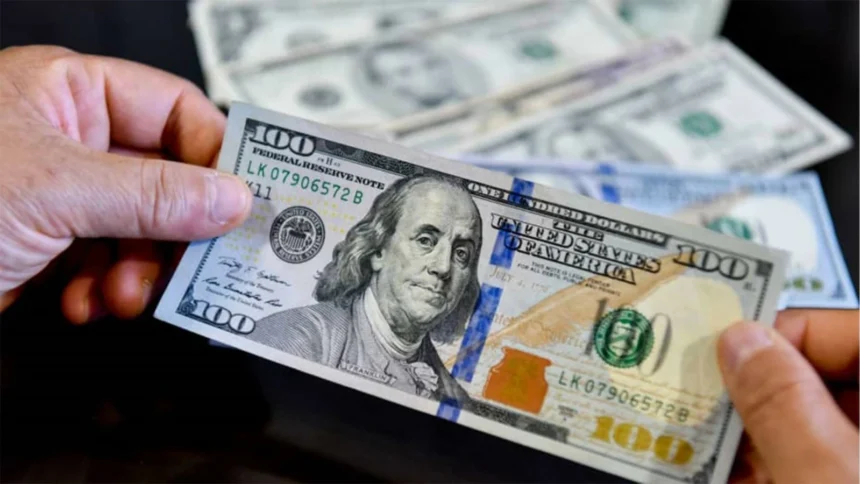
ارتفع سعر الدولار أمام الجنيه المصري خلال تعاملات الاثنين، متجاوزا مستوى 56 جنيها في عدد من البنوك، بالتزامن مع ترقب الأسواق اجتماع مجلس الاحتياطي الفيدرالي الأميركي بشأن أسعار الفائدة يومي 27 و28 أكتوبر الجاري.
وأظهرت تحديثات أسعار الصرف المنشورة خلال منتصف تعاملات اليوم ارتفاع الدولار في البنك الأهلي المصري إلى نحو 55.94 جنيه للشراء و56.04 جنيه للبيع، فيما سجل في البنك التجاري الدولي مستويات وصلت إلى 56.01 جنيه للشراء و56.11 جنيه للبيع، مع اختلاف الأسعار بين البنوك وتغيرها خلال اليوم.
وفي المقابل، سجل السعر المعلن لدى البنك المركزي المصري 55.75 جنيه للشراء و55.89 جنيه للبيع، وفق البيانات المنشورة خلال التعاملات، بما يعكس الفروق بين السعر المرجعي وأسعار التداول التي تحددها البنوك وفقا لظروف السوق.
ويأتي صعود الدولار في وقت تترقب فيه الأسواق العالمية قرار الاحتياطي الفيدرالي الأميركي، الذي يعقد اجتماعه على مدار يومين الثلاثاء والأربعاء، على أن يصدر قراره بشأن السياسة النقدية في ختام الاجتماع، حيث تتركز الأنظار على مسار أسعار الفائدة والإشارات التي قد يقدمها البنك المركزي الأميركي بشأن التضخم والنمو الاقتصادي خلال الفترة المقبلة.
وتؤثر قرارات الفيدرالي في حركة الدولار عالميا، إذ يمكن أن يؤدي ارتفاع أسعار الفائدة الأميركية أو استمرارها عند مستويات مرتفعة إلى زيادة جاذبية الأصول المقومة بالدولار، بينما قد يؤدي خفضها إلى تغيير اتجاهات تدفقات الاستثمار العالمية، غير أن انعكاس القرار على الجنيه المصري لا يتوقف على العامل الأميركي وحده، بل يرتبط أيضا بتدفقات النقد الأجنبي إلى مصر، وحركة الاستثمارات، واحتياجات الاستيراد، وتطورات ميزان المدفوعات.
وتعتمد مصر نظاما مرنا لسعر الصرف، يتحرك فيه الجنيه أمام العملات الأجنبية وفقا لآليات العرض والطلب، في إطار السياسة النقدية التي يستهدف البنك المركزي من خلالها الحفاظ على استقرار الأسعار وتعزيز كفاءة سوق الصرف.
ويكتسب تحرك الدولار أهمية خاصة بالنسبة إلى الاقتصاد المصري، نظرا إلى تأثيره في تكلفة الواردات، ولا سيما السلع الوسيطة ومستلزمات الإنتاج والمواد الخام، وهو ما قد ينعكس على تكاليف بعض المنتجات والخدمات.
كما تتابع الشركات والمستوردون تحركات العملة الأميركية لتقدير تكلفة الالتزامات الخارجية، في حين يظل تأثير تغيرات سعر الصرف على التضخم مرتبطا بحجم انتقال الزيادة إلى الأسعار المحلية وظروف السوق.
The price of the dollar against the Egyptian pound rose during trading on Monday, exceeding the level of 56 pounds in several banks, coinciding with the market’s anticipation of the U.S. Federal Reserve’s meeting regarding interest rates on October 27 and 28.
Updates on exchange rates published during the mid-trading session showed that the dollar in the National Bank of Egypt rose to about 55.94 pounds for buying and 56.04 pounds for selling, while in the Commercial International Bank, it reached levels of 56.01 pounds for buying and 56.11 pounds for selling, with price differences between banks and fluctuations throughout the day.
In contrast, the announced price at the Central Bank of Egypt was 55.75 pounds for buying and 55.89 pounds for selling, according to the data published during the trading session, reflecting the differences between the reference price and the trading prices set by banks according to market conditions.
The rise of the dollar comes at a time when global markets are awaiting the decision of the U.S. Federal Reserve, which is holding its meeting over two days on Tuesday and Wednesday, with its monetary policy decision expected to be announced at the end of the meeting, as attention focuses on the trajectory of interest rates and the signals that the U.S. central bank may provide regarding inflation and economic growth in the upcoming period.
The Federal Reserve’s decisions impact the movement of the dollar globally, as an increase in U.S. interest rates or their continuation at high levels can enhance the attractiveness of dollar-denominated assets, while a reduction could change the trends of global investment flows. However, the impact of the decision on the Egyptian pound does not solely depend on the U.S. factor but is also linked to foreign currency inflows to Egypt, investment movements, import needs, and developments in the balance of payments.
Egypt relies on a flexible exchange rate system, where the pound moves against foreign currencies according to supply and demand mechanisms, as part of the monetary policy that the central bank aims to maintain price stability and enhance the efficiency of the exchange market.
The movement of the dollar is particularly significant for the Egyptian economy, given its impact on the cost of imports, especially intermediate goods, production supplies, and raw materials, which may reflect on the costs of some products and services.
Companies and importers also monitor the movements of the U.S. currency to estimate the cost of external obligations, while the impact of exchange rate fluctuations on inflation remains linked to the extent of the increase being passed on to local prices and market conditions.