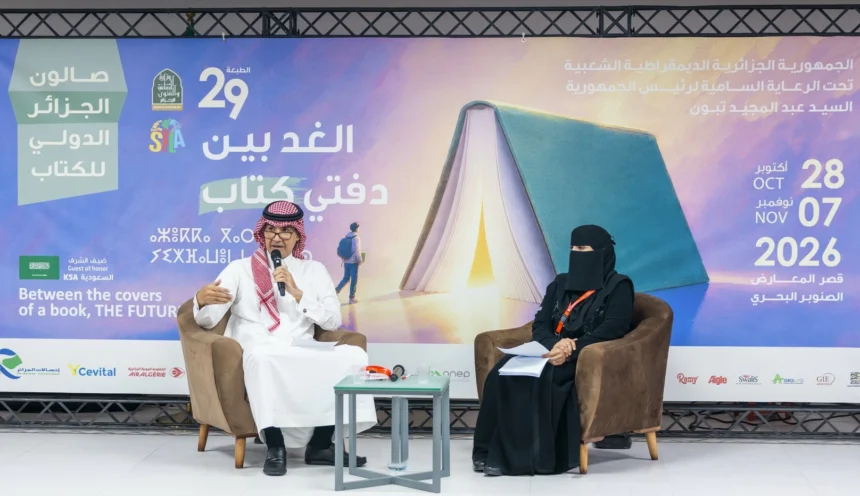
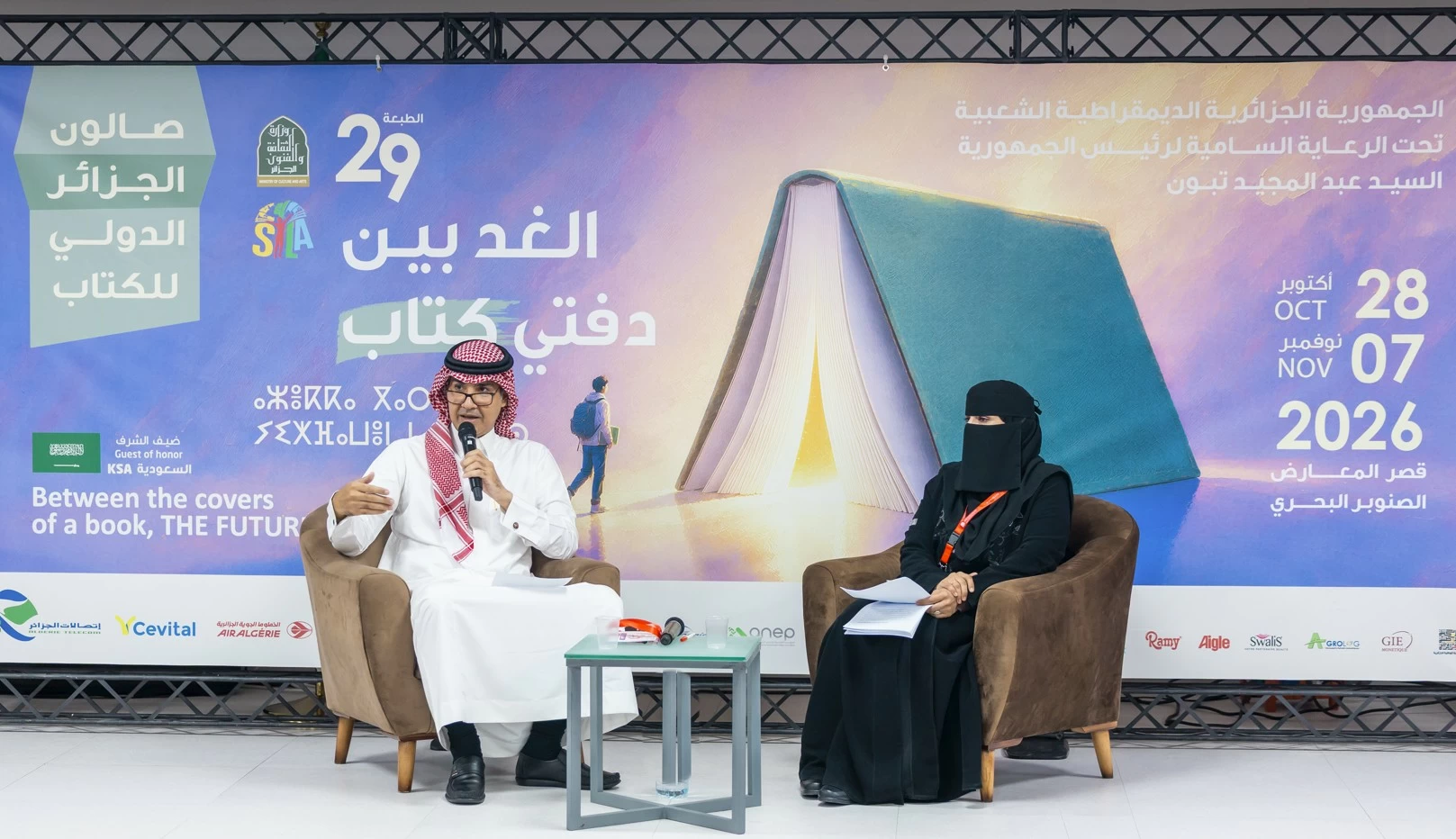
أعادت ندوة حوارية في معرض الجزائر الدولي للكتاب 2026 فتح صفحات من تاريخ السجالات الأدبية العربية التي تجاوزت حدود الخلاف بين الأدباء والنقاد لتصبح محطات مؤثرة في تطور الفكر والأدب وأساليب الكتابة والنقد.
وجاءت الندوة التي حملت عنوان «المعارك الأدبية» وقدمتها الدكتورة دلال المالكي ضمن البرنامج الثقافي الذي تنظمه هيئة الأدب والنشر والترجمة بمناسبة مشاركة المملكة العربية السعودية ضيفة شرف في الدورة التاسعة والعشرين من المعرض بحضور عدد من المثقفين والمهتمين بالشأن الأدبي.
واستعرضت المالكي أبرز المعارك التي شهدتها الساحة الأدبية العربية وما صاحبها من اختلافات فكرية ونقدية بين رموز الأدب والثقافة متوقفةً عند الظروف التي أشعلت تلك السجالات والشخصيات التي تصدرتها وما تركته من أثر في حركة التأليف والنقد وتشكيل الذائقة الأدبية.
وأوضحت أن كثيراً من تلك الخلافات لم تكن مجرد مواجهات بين أسماء أدبية بارزة بل كشفت عن تباين في الرؤى والمناهج وأسهمت في مراجعة مفاهيم أدبية راسخة وظهور اتجاهات جديدة في الكتابة والنقد مؤكدةً أن الاختلاف حين يستند إلى المعرفة والحجة يصبح أحد روافد الإبداع والتجديد.
وتطرقت الندوة إلى حضور الأدب السعودي في الحوارات الفكرية العربية وصلته بالتحولات التي شهدتها الحركة الأدبية والنقدية مشيرةً إلى أهمية العودة إلى الكتب التي وثقت تلك المعارك وقراءة ما وراءها من أفكار ومواقف لفهم مراحل تطور الأدب العربي.
وشكلت الندوة فرصة لاستعادة جانب من الذاكرة الأدبية العربية وقراءة الخلاف بوصفها ظاهرةً ثقافيةً أسهمت في تحريك المشهد الأدبي وفتحت أمام الأجيال المتعاقبة مساحات أوسع للنقاش والتجديد.
A panel discussion at the 2026 Algiers International Book Fair reopened pages from the history of Arab literary debates that transcended the boundaries of disagreement among writers and critics, becoming influential milestones in the development of thought, literature, and writing and criticism styles.
The panel, titled “Literary Battles,” was presented by Dr. Dalal Al-Maliki as part of the cultural program organized by the Literature, Publishing, and Translation Commission on the occasion of the Kingdom of Saudi Arabia’s participation as a guest of honor in the twenty-ninth edition of the fair, attended by a number of intellectuals and those interested in literary affairs.
Al-Maliki reviewed the most significant battles witnessed in the Arab literary arena and the accompanying intellectual and critical differences among literary and cultural figures, stopping at the circumstances that ignited those debates and the personalities that led them, as well as the impact they left on the movement of authorship and criticism and the formation of literary taste.
She clarified that many of those disagreements were not merely confrontations between prominent literary names but revealed a diversity of visions and methodologies, contributing to the re-evaluation of established literary concepts and the emergence of new trends in writing and criticism. She emphasized that when differences are based on knowledge and argument, they become one of the tributaries of creativity and renewal.
The panel also addressed the presence of Saudi literature in Arab intellectual dialogues and its connection to the transformations witnessed by the literary and critical movement, pointing to the importance of returning to the books that documented those battles and reading the underlying ideas and positions to understand the stages of the development of Arabic literature.
The panel provided an opportunity to revive a part of the Arab literary memory and to read disagreements as a cultural phenomenon that contributed to energizing the literary scene and opened wider spaces for discussion and renewal for successive generations.