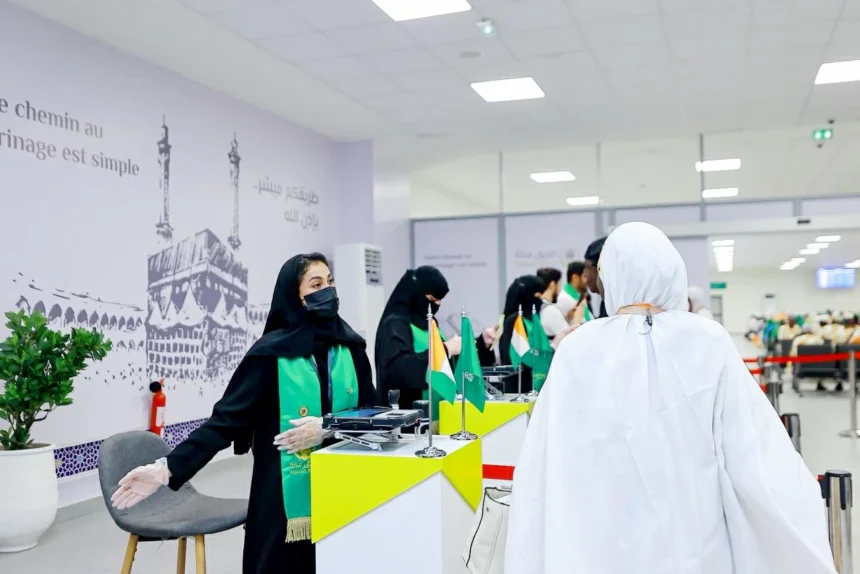
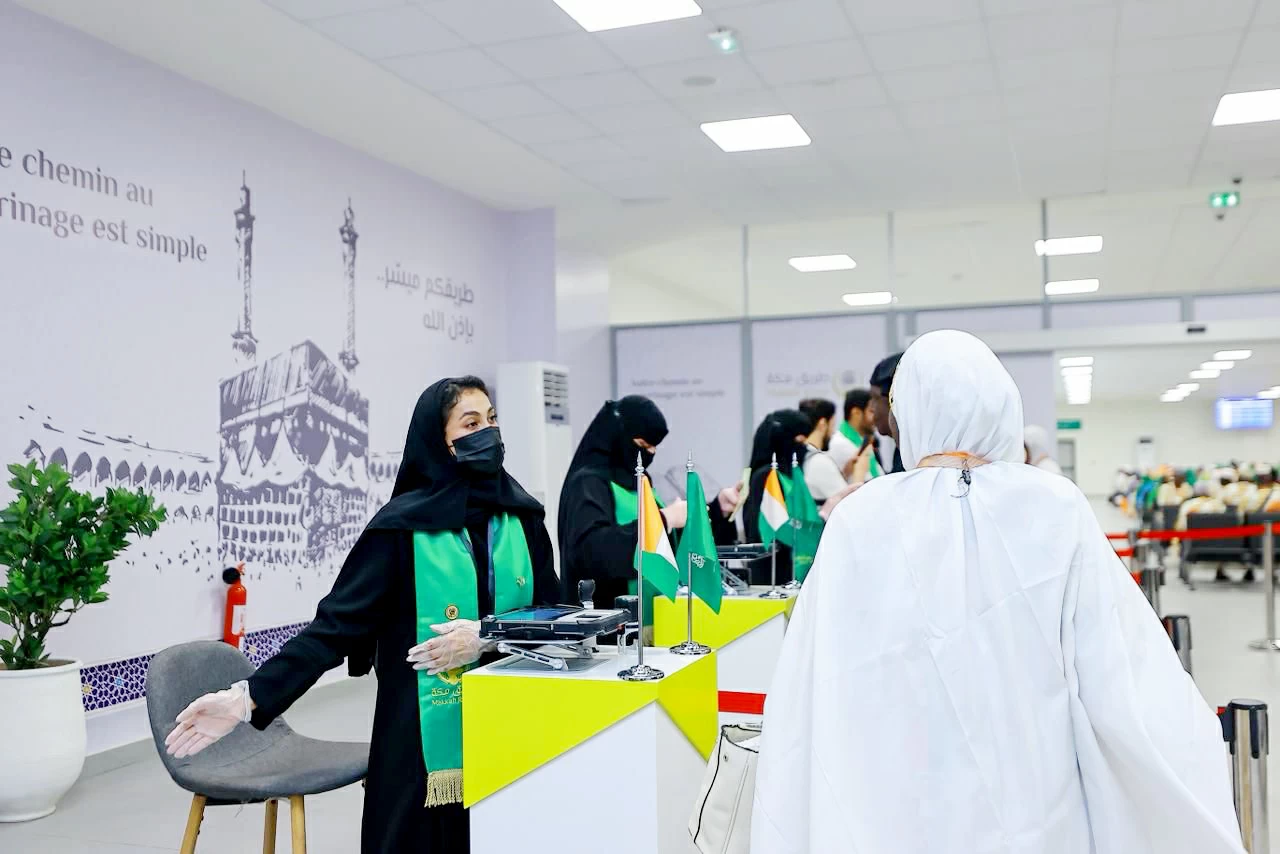
أدّت السعوديات أدوارًا كبيرة في موسم حج هذا العام، وبدا ذلك جليًا في إسهامهن الكبير بمختلف القطاعات المشاركة في الخدمات المقدمة لضيوف بيت الله الحرام.
وانتقلت مشاركة السعوديات من أدوار مساندة إلى ركيزة إستراتيجية أساسية في قلب المشاعر، إذ شكّل العنصر النسائي حضورًا كبيرًا ولافتًا في قلب المشاعر المقدسة لتقديم الخدمات الأمنية والصحية والإرشادية، والتنظيمية التي تسهم في إدارة الحشود وتيسير أداء المناسك بيسر وطمأنينة وأمان ضمن واحدة من أعقد المنظومات الخدمية والتنظيمية في العالم، في مشهد يعكس التحولات التنموية التي تشهدها السعودية في تمكين الكفاءات الوطنية، وتعزيز حضور المرأة في القطاعات الحيوية المرتبطة بخدمة الحجاج، وفق مستهدفات رؤية المملكة 2030.
يمثل التنوع في الأدوار التي تؤديها السعوديات خلال موسم الحج، تجسيدًا عمليًا لتمكين المرأة، ويؤكد دورها الفاعل في مختلف القطاعات، ما يعزز من مكانتها كشريك أساسي في التنمية وخدمة الحجاج، ويشكّل نموذجًا يُحتذى به.
وتتوزع أدوارها بين الأمن، والرعاية الصحية، والإعلام، والإرشاد والتطوع، والغذاء والنقل، والطوافة، والكشافة، بالإضافة إلى عدة مجالات رئيسية.
وفي ظل هذا التحوّل، تواصل المرأة السعودية ترسيخ حضورها في منظومة خدمة ضيوف الرحمن، ليس بوصفها عنصرًا مشاركًا فحسب، بل كفاءة وطنية تُسهم في إدارة المشهد الميداني، وتعزيز جودة الخدمات، وإبراز الصورة الحضارية للمملكة في خدمة الإسلام والمسلمين، ضمن منظومة تتطور عامًا بعد عام نحو مزيد من الاحترافية والتكامل والاستدامة.
وأولت الدولة جلّ اهتمامها بتقديم جميع فرص التدريب للمرأة في كل القطاعات، ومنها: الصحة، وأعمال الطوافة، والخدمات لتشارك الرجل في الأعمال الميدانية والأمنية على حد سواء من خلال تقديم أفضل البرامج التدريبية لتعينهم على واجباتهم بكل كفاءة واقتدار.
Saudi women played significant roles in this year’s Hajj season, which was clearly evident in their substantial contributions across various sectors involved in the services provided to the guests of the Sacred House of God.
The participation of Saudi women has shifted from supportive roles to a fundamental strategic pillar at the heart of the rituals, as the female presence was prominent and striking in the holy sites, providing security, health, guidance, and organizational services that contribute to crowd management and facilitate the performance of rituals with ease, reassurance, and safety within one of the most complex service and organizational systems in the world. This scene reflects the developmental transformations that Saudi Arabia is witnessing in empowering national competencies and enhancing the presence of women in vital sectors related to serving pilgrims, in line with the objectives of Vision 2030.
The diversity of roles performed by Saudi women during the Hajj season is a practical embodiment of women’s empowerment, affirming their active role in various sectors, which enhances their status as a key partner in development and serving pilgrims, and sets a model to be emulated.
Their roles span security, healthcare, media, guidance and volunteering, food and transportation, as well as several key areas.
Amid this transformation, Saudi women continue to solidify their presence in the system of serving the guests of الرحمن, not merely as participating elements, but as national competencies contributing to managing the field scene, enhancing service quality, and showcasing the civilized image of the Kingdom in serving Islam and Muslims, within a system that evolves year after year towards greater professionalism, integration, and sustainability.
The state has devoted significant attention to providing all training opportunities for women in all sectors, including health, pilgrimage services, and other services, to enable them to participate alongside men in field and security work by offering the best training programs to assist them in their duties with efficiency and competence.