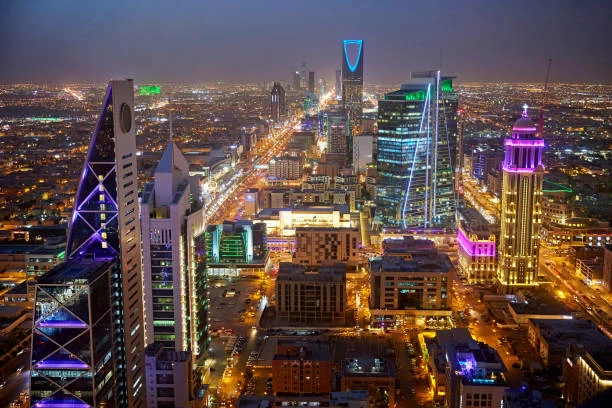
بالتزامن مع اليوم العالمي للمدن، الذي يوافق 31 أكتوبر من كل عام، يبرز تقدم المملكة في بناء مدن صحية تجمع بين التنمية المستدامة والوقاية وتعزيز جودة الحياة، متصدرةً دول إقليم شرق المتوسط وشمال أفريقيا بـ(21) مدينة صحية معتمدة من منظمة الصحة العالمية، منها أكبر مدينتين صحيتين مليونيتين في الشرق الأوسط، وهما جدة والمدينة المنورة، وذلك تجسيداً لمستهدفات رؤية السعودية 2030 في بناء مجتمعاً حيوياً ينعم أفراده بحياةٍ صحيةٍ ومستدامةٍ.
ويعكس هذا التقدم نهج المملكة في بناء مدن صحية ومستدامة، من خلال استيفاء (80) معياراً دولياً موزعة على (9) محاور رئيسة، تشمل تمكين المجتمع من أجل الصحة والتنمية، والتعاون بين القطاعات، ومراكز المعلومات المجتمعية، وتنمية المهارات وبناء القدرات، والخدمات الصحية، والبيئة الحضرية، والاستعداد والاستجابة للطوارئ، والتعليم، ودعم المشاريع الصغيرة، لربط صحة الإنسان بمختلف مسارات التنمية.
وتضم قائمة المدن الصحية المعتمدة في المملكة: جدة، والخبر، وحائل، وتبوك، والمدينة المنورة، وعنيزة، والجموم، والدرعية، والطائف، وجلاجل، والغاط، والزلفي، ورياض الخبراء، وشرورة، والعارضة، والمندق، وأبها، ومحايل عسير، وطريب، وجامعة الملك خالد، وجامعة الأميرة نورة.
ويأتي هذا التحول نتيجة التكامل بين وزارة الصحة واللجنة الوزارية للصحة في كل السياسات، ومختلف الجهات الحكومية، في إطار نهج وطني يعزز حضور الصحة في القرارات والسياسات التنموية، ويؤكد أن بناء المدن الصحية مسؤولية مشتركة تتجاوز نطاق القطاع الصحي، لتشمل التخطيط الحضري والتعليم والبيئة والخدمات المجتمعية.
وتؤكد هذه المنجزات مكانة المملكة الرائدة على خريطة المدن الصحية عالمياً، من خلال برنامج «المدن الصحية» التابع لوزارة الصحة، الذي يُعد أول مركز متعاون مع منظمة الصحة العالمية إقليمياً والرابع عالمياً، بما يجسّد نجاح تجربة المملكة في ترسيخ مفهوم الصحة ضمن التنمية الحضرية، وبناء مدن مستدامة تضع صحة الإنسان وجودة حياته في صميم أولوياتها.
Coinciding with World Cities Day, which falls on October 31 each year, the progress of the Kingdom in building healthy cities that combine sustainable development, prevention, and enhancement of quality of life is highlighted, leading the countries of the Eastern Mediterranean and North Africa with (21) accredited healthy cities by the World Health Organization, including the two largest million-population healthy cities in the Middle East, which are Jeddah and Medina. This reflects the targets of Saudi Vision 2030 in building a vibrant community where its individuals enjoy a healthy and sustainable life.
This progress reflects the Kingdom’s approach to building healthy and sustainable cities by meeting (80) international standards distributed across (9) main axes, including empowering the community for health and development, inter-sectoral collaboration, community information centers, skill development and capacity building, health services, urban environment, emergency preparedness and response, education, and support for small projects, linking human health with various development pathways.
The list of accredited healthy cities in the Kingdom includes: Jeddah, Khobar, Hail, Tabuk, Medina, Unayzah, Al Jumum, Al Diriyah, Taif, Jiljil, Al Ghat, Al Zulfi, Riyadh Al Khubar, Sharurah, Al Aridah, Al Mandaq, Abha, Muhayil Asir, Turabah, King Khalid University, and Princess Nourah University.
This transformation comes as a result of the integration between the Ministry of Health and the Ministerial Health Committee in all policies, and various government entities, within a national approach that enhances the presence of health in developmental decisions and policies, affirming that building healthy cities is a shared responsibility that transcends the health sector to include urban planning, education, environment, and community services.
These achievements confirm the Kingdom’s leading position on the global map of healthy cities through the “Healthy Cities” program affiliated with the Ministry of Health, which is the first collaborative center with the World Health Organization regionally and the fourth globally, embodying the success of the Kingdom’s experience in establishing the concept of health within urban development and building sustainable cities that place human health and quality of life at the core of their priorities.