

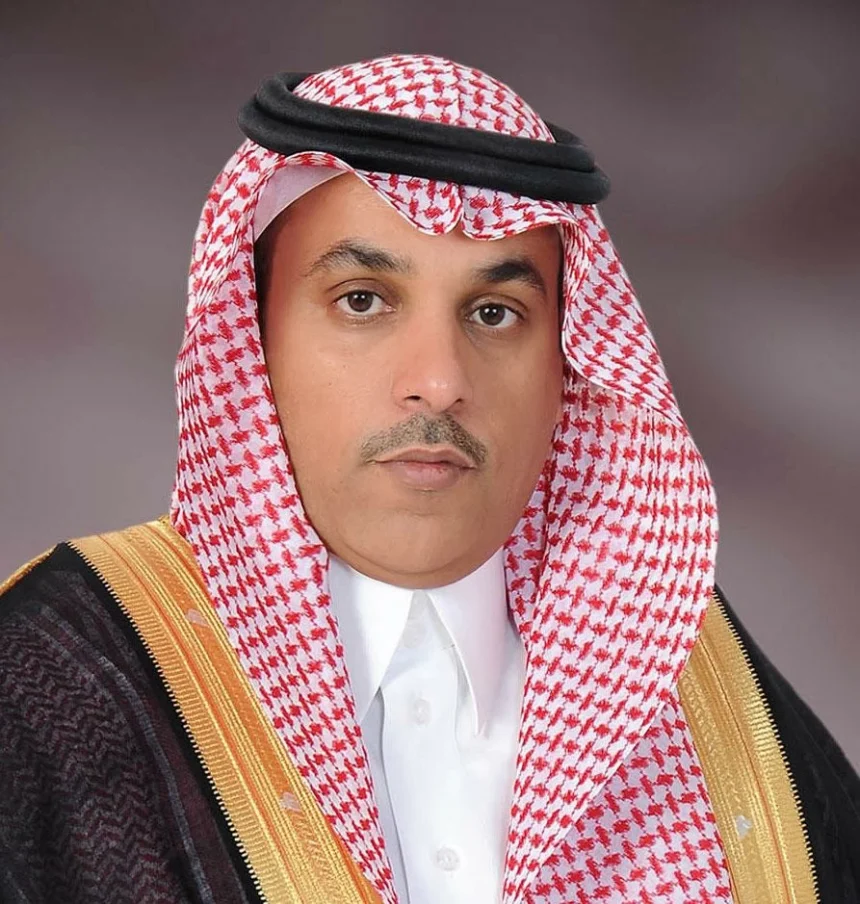
أصدر مجلس الشورى قراراً، طالب فيه المركز الوطني لإدارة الدَّين بتطوير منظومة رقمية متكاملة تعتمد على تقنيات البيانات الضخمة والذكاء الاصطناعي؛ لرفع كفاءة التحليل المالي والتنبؤ بالفرص التمويلية.
وناقش المجلس في جلسته العادية الرابعة والثلاثين من أعمال السنة الثانية للدورة التاسعة المنعقدة برئاسة رئيس المجلس الدكتور عبدالله محمد آل الشيخ، التقرير السنوي للمؤسسة العامة للخطوط الجوية العربية السعودية، والتقرير السنوي للمركز الوطني للمناهج، وطالب عضو المجلس الدكتور فيصل البواردي المركز الوطني للمناهج بتطوير برنامج دبلوم مهني متخصص، وفق أفضل الممارسات العالمية، لتأهيل الكفاءات المتخصصة في المركز على تصميم وتطوير المناهج، وذلك بالتنسيق مع الجهات ذات العلاقة، وطالبت عضو المجلس الدكتورة لبنى العجمي، المركز الوطني للمناهج باستكمال بناء إطار وطني يضمن المواءمة المستمرة بين المناهج الدراسية والمعايير الوطنية ونواتج التعلم المستهدفة ومتطلبات الاختبارات الوطنية والدولية؛ بما يعزز جاهزية الطلبة ويرفع كفاءة المخرجات التعليمية، وذلك بالتنسيق مع وزارة التعليم وهيئة تقويم التعليم والتدريب، وناقش المجلس التقرير السنوي للهيئة السعودية للمياه.
واستبق عدد من أعضاء مجلس الشورى، إجازة الصيف بمطالبة الخطوط السعودية بإعادة النظر في إجراءات الحجز وأسعار التذاكر، وطالب عضو المجلس الدكتور فهد التخيفي، الخطوط السعودية، بالتنسيق مع الجهات ذات العلاقة، لوضع خطة وطنية لمعالجة العوامل التشغيلية المؤثرة في تكلفة النقل الجوي الداخلي بما يحد من أثرها على أسعار التذاكر ويرفع كفاءة التشغيل.
فيما تساءلت عضو المجلس الدكتورة عائشة عريشي؛ عن الثقافة الإدارية للخطوط السعودية؛ وما هي حيثيات فرض القرار على العميل دون أخذ الشكاوى في الاعتبار، علماً بأن المؤسسة تجارية، ويفترض أن تضع العملاء في مقدمة أولوياتها، وعدت من الشكاوى «بيع المقاعد بأسعار منخفضة؛ وعندما يتم البيع تنتقل تلقائياً إلى فئات سعرية أعلى، والبعض ما إن يكمل إجراءات الحجز ويعود للخطوة السابقة إلا ويجد السعر ارتفع ؛ وكلما اقترب موعد الرحلة يرتفع السعر بشكل أكبر»، وترى أن في مثل هذه الآلية استغلالاً لطبيعة المسافرين المتأخرين لارتباطهم غالباً بظرف طارئ، مؤكدة أن نسبة الارتفاع في السعر غدت عالية جداً أضعاف السعر السابق وخط الأساس، وطالبت الهيئة بما لها من صلاحيات تنظيمية، بوضع ضوابط تتسم بالشفافية وتلتزم بوضع سقف أعلى لأسعار التذاكر.
وطالبت بدراسة إمكانية السماح بنقل التذكرة عبر التطبيق عقب التحقق الأمني من الهوية بنفس إجراءات الحجز مقابل رسوم تتوازن مع سعرالتذكرة وقت التعديل، بما يضمن عدم الالتفاف على نظام التسعير، ووضع ضوابط لحصر التعديل ضمن سجل الأسرة وذلك بما يضمن عدم المضاربة بشراء التذاكر وإعادة بيعها.
فيما طالب عضو المجلس الدكتور عاصم مدخلي، الهيئة السعودية للمياه بإيجاد معالجة نظامية لإيصال خدمة المياه للمنازل التي لا تزال تحت إجراءات استكمال إجراءات إثبات ملكية الأراضي، وتصحيح وضع قائم من خلال الاعتماد على فاتورة الكهرباء إلى حين صدورة وثيقة اثبات الملكية: كون أصحاب المنازل وصلت إليهم خدمة الكهرباء سابقاً اعتماداً على وثائقهم العادية قبل تطبيق اشتراط وجود صك ملكية عند التقديم، ودعا لدراسة اعتماد فاتورة الكهرباء، لإيصال خدمة المياه للمنازل التي لا تزال تحت إجراءات استكمال إثبات ملكيتها، مع إعادة تنظيم آلية احتساب تكلفة مناسبة، لإدخال خدمات المياه و الصرف الصحي، بما يسهم في التيسير على المستفيدين.
وطالب عضو المجلس الدكتور عبدالله عمر النجار الهيئة السعودية للمياه وبالتنسيق مع الجهات ذات العلاقة لتطوير إطار وطني لقياس أثر الاستثمارات والبرامج والمبادرات على مؤشرات الأمن المائي والاستدامة المالية، وكفاءة استخدام الموارد المائية، وقياس مرونة منظومة المياه الوطنية وإدارة المخاطر، يتضمن مؤشرات أداء ومعايير لقياس جاهزية واستدامة خدمات المياه في مواجهة المخاطر والطوارئ، وربط نتائجها بمستهدفات الأمن المائي و تطوير مؤشرات قياس الأثر الاقتصادي لاستثمارات ومشروعات قطاع المياه، تتضمن قياس مساهمتها في جذب الاستثمارات، ورفع المحتوى المحلي، وتعزيز مشاركة القطاع الخاص، وخلق الفرص الوظيفية، وحوكمة البيانات المائية وتطبيقات الذكاء الاصطناعي في قطاع المياه بما يعزز من تكامل البيانات وجودتها وموثوقيتها، ويدعم اتخاذ القرار ورفع كفاءة إدارة الموارد المائية وتحقيق مستهدفات الأمن المائي.
The Shura Council issued a decision, requesting the National Debt Management Center to develop a comprehensive digital system based on big data technologies and artificial intelligence; to enhance the efficiency of financial analysis and forecasting funding opportunities.
The council discussed in its thirty-fourth regular session of the second year of the ninth term, chaired by the council president Dr. Abdullah Mohammed Al Sheikh, the annual report of the Saudi Arabian Airlines, and the annual report of the National Curriculum Center. Council member Dr. Faisal Al-Bawardi urged the National Curriculum Center to develop a specialized professional diploma program, according to the best global practices, to qualify specialized competencies in the center for designing and developing curricula, in coordination with relevant authorities. Council member Dr. Lubna Al-Ajmi called on the National Curriculum Center to complete building a national framework that ensures continuous alignment between curricula, national standards, targeted learning outcomes, and requirements of national and international tests; to enhance student readiness and improve the efficiency of educational outcomes, in coordination with the Ministry of Education and the Education and Training Evaluation Commission. The council also discussed the annual report of the Saudi Water Authority.
Several members of the Shura Council preempted the summer vacation by urging Saudi Airlines to reconsider booking procedures and ticket prices. Council member Dr. Fahd Al-Takheefi called on Saudi Airlines, in coordination with relevant authorities, to develop a national plan to address operational factors affecting the cost of domestic air transport, in order to mitigate their impact on ticket prices and enhance operational efficiency.
Meanwhile, council member Dr. Aisha Arishi questioned the management culture of Saudi Airlines; and what the rationale was for imposing decisions on customers without considering complaints, noting that the institution is commercial and should prioritize customers. She cited complaints such as “selling seats at low prices; and when sold, they automatically shift to higher price categories, and some find that as soon as they complete the booking process and return to the previous step, the price has increased; and the closer it gets to the flight date, the higher the price rises.” She believes that such a mechanism exploits the nature of travelers who are often tied to an urgent circumstance, emphasizing that the percentage increase in price has become very high, multiples of the previous price and baseline. She called on the authority, with its regulatory powers, to establish transparent controls and commit to setting a ceiling for ticket prices.
She also requested a study on the possibility of allowing ticket transfers via the application after security verification of identity under the same booking procedures, for a fee that balances with the ticket price at the time of modification, ensuring that there is no circumvention of the pricing system, and establishing controls to limit modifications within the family record to prevent speculation by purchasing tickets and reselling them.
Meanwhile, council member Dr. Asim Madkhali urged the Saudi Water Authority to find a systematic solution to provide water service to homes that are still undergoing the procedures to prove land ownership, and to correct the existing situation by relying on the electricity bill until the ownership proof document is issued: as homeowners previously received electricity service based on their ordinary documents before the requirement for a property deed was applied at the time of application. He called for studying the adoption of the electricity bill to provide water service to homes still undergoing the procedures to prove their ownership, with a reorganization of the mechanism for calculating a suitable cost for introducing water and sewage services, to facilitate the process for beneficiaries.
Council member Dr. Abdullah Omar Al-Najjar called on the Saudi Water Authority, in coordination with relevant authorities, to develop a national framework for measuring the impact of investments, programs, and initiatives on water security indicators, financial sustainability, and efficiency in the use of water resources. This framework should include performance indicators and standards for measuring the readiness and sustainability of water services in facing risks and emergencies, linking its results to water security targets and developing indicators to measure the economic impact of investments and projects in the water sector, including measuring their contribution to attracting investments, increasing local content, enhancing private sector participation, creating job opportunities, and governing water data and artificial intelligence applications in the water sector, which enhances data integration, quality, and reliability, supports decision-making, improves water resource management efficiency, and achieves water security targets.