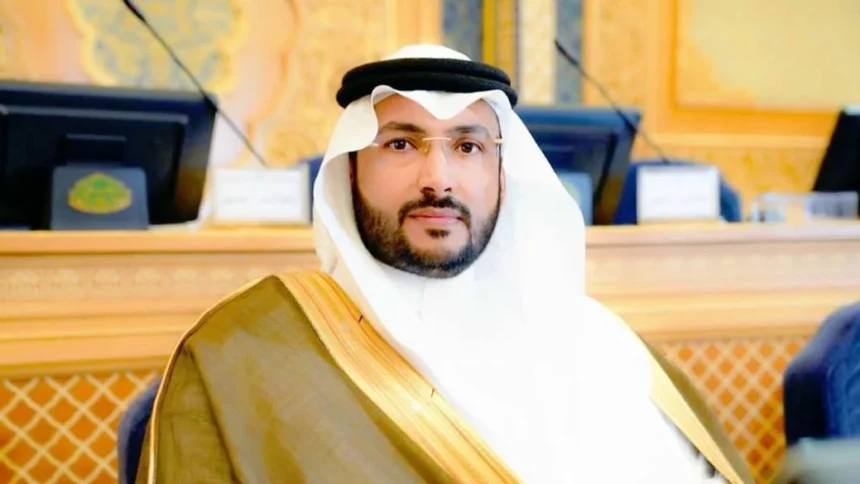

طالب مجلس الشورى؛ هيئة رعاية الأشخاص ذوي الإعاقة بالتنسيق مع الجهات ذات العلاقة؛ لدراسة الاحتياجات التدريبية لذوي الإعاقة، وتمكينهم من الوظائف المناسبة لقدراتهم. وطالب المجلس، في جلسته العادية التاسعة والعشرين من أعمال السنة الثانية للدورة التاسعة، المنعقدة برئاسة نائب رئيس المجلس الدكتور مشعل فهم السُّلمي، (عبر الاتصال المرئي)، الهيئة بتحفيز مقدمي خدمات التأهيل والرعاية على رفع مستوى الخدمات التأهيلية للأشخاص ذوي الإعاقة؛ لتكون أكثر شمولاً لجميع المناطق، واعتماد منهجية موحدة لاستطلاع آراء الأشخاص ذوي الإعاقة حول الخدمات المقدمة لهم؛ بما يعزز تكامل منظومة الإعاقة في مختلف القطاعات.
ودعا المجلس وزارة الاتصالات وتقنية المعلومات إلى التنسيق مع الجهات ذات العلاقة؛ لرفع نسبة المحتوى المحلي في القطاع الرقمي؛ لتعزيز النمو الاقتصادي والاستقلالية التقنية.
وطالب المجلس صندوق النفقة بالتنسيق مع الجهات ذات العلاقة؛ لمعالجة الصعوبات التقنية والإدارية التي تواجه المستفيدين من خدماته.
ودعا معهد الإدارة العامة إلى التنسيق مع الجهات ذات العلاقة؛ لتطوير آليات للتعامل مع التغييرات في الخطط التدريبية للجهات قبل وقتٍ كافٍ؛ لضمان استفادة الجهات الأخرى من تلك الفرص في حال التأجيل أو الإلغاء، والتنسيق مع اللجنة المركزية لتدريب وابتعاث موظفي الخدمة المدنية؛ لتطوير إطار مرجعي للتدريب الإداري والقيادي المقدم للقطاع الحكومي من جهات حكومية وخاصة؛ لضمان جودة التدريب.
وطالب المركز الوطني لنظم الموارد الحكومية بالتنسيق مع الجهات ذات العلاقة لتطوير إطار وطني موحد؛ لقياس الأثر المالي والاقتصادي لمنظومة الموارد الحكومية؛ بما يدعم رفع كفاءة الإنفاق وتعزيز الشفافية.
وناقش المجلس التقرير السنوي للمركز الوطني للتعليم الإلكتروني، والتقرير السنوي للهيئة السعودية للملكية الفكرية، ودعت عضو مجلس الشورى الدكتورة تقوى عمر، المركز الوطني للتعليم الإلكتروني إلى العمل على بناء إطار متكامل لتطوير واستدامة قوة عاملة متخصصة ومستدامة من خلال تطوير نموذج متكامل لإدارة المواهب، يركّز على استقطاب الكفاءات الوطنية النوعية، وبناء القدرات المتقدمة في مجالات التعليم الرقمي، وضمان نقل المعرفة المؤسسية.
وطالبت عضو المجلس الدكتورة لبنى العجمي، المركز إلى الانتقال من «قياس الأداء» إلى «قياس الأثر»، مشيرة إلى أنه هو المرحلة الأهم في نضج القطاع، وأن استكمال هذا التحول ينقل التعليم الإلكتروني من التوسع إلى تعظيم الأثر والقيمة للاقتصاد، وطالب عضو المجلس المهندس خالد البريك، بإنشاء منصة لسوق الملكية الفكرية السعودي، مماثلة لنظيراتها العالمية.
وناقش المجلس التقرير السنوي للمؤسسة العامة للري، والتقرير السنوي للمركز الوطني لأبحاث وتطوير الزراعة المستدامة.
مدخلي للري: استفيدوا من السدود بتطوير الحلول التقليدية
طالب عضو المجلس الدكتور عاصم مدخلي، المؤسسة العامة للري بالتنسيق مع الجهات ذات العلاقة؛ للتوسع في تنفيذ قنوات ري حديثة للاستفادة من مياه السدود وتطوير الحلول التقليدية في أودية المملكة، بآليات هندسية مبتكرة وطرحها باعتبارها فرصاً استثمارية، لزيادة الرقعة الزراعية ومكافحة التصحر. وأوضح مدخلي؛ في مداخلته؛ أن كميات كبيرة من مياه الأمطار التي تصحبها سيول متدفقة عبر أودية المملكة تنتهي إلى مصابها النهائية دون الاستفادة منها بشكل أكبر، مشيراً إلى إزالة العديد من السدود الترابية المجاورة للأراضي الزراعية القريبة من الأودية حفاظاً على السلامة العامة، فيما تعاني بعض السدود في المملكة من عدم وجود قنوات ري حديثة لتغذية الأراضي الزراعية في نطاق تلك السدود، ما يتطلب إيلاء هذا الموضوع من المؤسسة أولوية في إيجاد حلول فنية وهندسية لضمان تنفيذ قنوات ري حديثة تعظم الاستفادة من أكبر قدر من مساحات الأراضي الزراعية الواقعة في نطاق تلك السدود مع الأخذ بعين الاعتبار المجاور للأودية من خلال تشكيل لجان متخصصة من الجهات الحكومية والخبراء من الأهالي لضمان تطوير بعضها وعمل خطة تشغيلية متكاملة لاستبدال ما يتطلب استبداله بخزن مائي على هيئة سدود صغيرة وتطويرها، ما يحفّز المزارعين ويخلق تنافسية عالية ونمواً اقتصادياً، فضلاً عن تعزيز الأمن الغذائي الوطني، مع مراعاة التوازن بين متطلبات السلامة وكفاءة الاستفادة من الموارد المائية.
النجار لمركز الزراعة المستدامة: توازن الأمن الغذائي والاستدامة المائية مطلب
طالب عضو المجلس الدكتور عبدالله عمر النجار، المركز الوطني لأبحاث وتطوير الزراعة المستدامة بتبني إطار وطني لقياس الأثر الاقتصادي للتقنيات الزراعية، يربط المخرجات البحثية بمؤشرات مثل العائد على الاستثمار، وزيادة الإنتاجية، وكفاءة استخدام الموارد.
ودعا المركز إلى إطلاق برنامج وطني للزراعة منخفضة الاستهلاك المائي يقوم على توجيه التركيبة المحصولية، وربط الدعم الزراعي بكفاءة استخدام المياه، وتعميم تقنيات الري الذكي ومتابعة تطبيقها.
The Shura Council has called on the Authority for the Care of Persons with Disabilities to coordinate with relevant entities to study the training needs of individuals with disabilities and enable them to access jobs suitable for their capabilities. During its twenty-ninth regular session of the second year of the ninth term, chaired by the Deputy Chairman of the Council, Dr. Mishaal Fahm Al-Sulami (via video conference), the Council urged the authority to motivate rehabilitation and care service providers to enhance the quality of rehabilitation services for persons with disabilities to be more inclusive across all regions, and to adopt a unified methodology to survey the opinions of persons with disabilities regarding the services provided to them, thereby enhancing the integration of the disability system across various sectors.
The Council also called on the Ministry of Communications and Information Technology to coordinate with relevant entities to increase the percentage of local content in the digital sector to enhance economic growth and technical independence.
The Council requested the Maintenance Fund to coordinate with relevant entities to address the technical and administrative difficulties faced by its beneficiaries.
The Public Administration Institute was called upon to coordinate with relevant entities to develop mechanisms for addressing changes in training plans for entities well in advance, to ensure that other entities can benefit from those opportunities in case of postponement or cancellation, and to coordinate with the Central Committee for Training and Scholarship of Civil Service Employees to develop a reference framework for administrative and leadership training provided to the government sector by governmental and private entities to ensure the quality of training.
The National Center for Government Resource Systems was urged to coordinate with relevant entities to develop a unified national framework for measuring the financial and economic impact of the government resource system, which supports enhancing spending efficiency and promoting transparency.
The Council discussed the annual report of the National Center for E-Learning and the annual report of the Saudi Authority for Intellectual Property. Shura Council member Dr. Taqwa Omar urged the National Center for E-Learning to work on building a comprehensive framework for developing and sustaining a specialized and sustainable workforce by developing an integrated talent management model that focuses on attracting quality national competencies, building advanced capacities in digital education fields, and ensuring the transfer of institutional knowledge.
Council member Dr. Lubna Al-Ajmi called for the center to transition from “performance measurement” to “impact measurement,” indicating that this is the most important phase in the sector’s maturity, and that completing this transformation will shift e-learning from expansion to maximizing impact and value for the economy. Council member Engineer Khalid Al-Buraik called for the establishment of a platform for the Saudi intellectual property market, similar to its global counterparts.
The Council also discussed the annual report of the Public Authority for Irrigation and the annual report of the National Center for Research and Development of Sustainable Agriculture.
Al-Mukhaili for Irrigation: Benefit from dams by developing traditional solutions
Council member Dr. Asim Al-Mukhaili called on the Public Authority for Irrigation to coordinate with relevant entities to expand the implementation of modern irrigation channels to benefit from dam water and develop traditional solutions in the valleys of the Kingdom, using innovative engineering mechanisms and presenting them as investment opportunities to increase agricultural land and combat desertification. Al-Mukhaili clarified, in his intervention, that large quantities of rainwater accompanied by flowing torrents through the valleys of the Kingdom end up in their final destinations without being utilized more effectively, noting the removal of many earthen dams adjacent to agricultural lands near the valleys to ensure public safety, while some dams in the Kingdom suffer from a lack of modern irrigation channels to nourish agricultural lands within the vicinity of those dams. This requires the institution to prioritize finding technical and engineering solutions to ensure the implementation of modern irrigation channels that maximize the benefit from as much agricultural land as possible located within the vicinity of those dams, taking into account the areas adjacent to the valleys by forming specialized committees from governmental entities and local experts to ensure the development of some of them and create a comprehensive operational plan to replace what needs to be replaced with water storage in the form of small dams and develop them, which stimulates farmers and creates high competitiveness and economic growth, in addition to enhancing national food security, while considering the balance between safety requirements and the efficient utilization of water resources.
Al-Najjar to the Center for Sustainable Agriculture: Balancing food security and water sustainability is a necessity
Council member Dr. Abdullah Omar Al-Najjar called on the National Center for Research and Development of Sustainable Agriculture to adopt a national framework for measuring the economic impact of agricultural technologies, linking research outputs to indicators such as return on investment, increased productivity, and resource use efficiency.
He urged the center to launch a national program for low-water consumption agriculture based on directing the crop composition, linking agricultural support to water use efficiency, and generalizing smart irrigation technologies and monitoring their application.