


في الوقت الذي تجتمع فيه الأسر على موائد العيد، وتعلو أصوات التهاني في البيوت والمجالس، يقف رجال ونساء في مواقع العمل، يؤدون واجبهم في الميدان، ويجعلون من خدمة الإنسان معنى حاضراً لفرحة العيد.
رجال الأمن، والأطباء، والمسعفون، وعمال النظافة، وموظفو البلديات، ومنسوبو القطاعات الخدمية، جميعهم يشكلون صورة مضيئة للعطاء، وهم يواصلون أعمالهم في أيام يفترض أن تكون للراحة واللقاء الأسري.
وفي موسم الحج، تتجلى هذه الصورة بصورة أعمق، إذ يرتبط يوم العيد بمهمات ميدانية كبرى، تبدأ من تنظيم حركة الحشود، وتيسير تنقلات الحجاج، ومباشرة الحالات الصحية والطارئة، وتنظيف المشاعر المقدسة، وتهيئة الطرق والمرافق، ومتابعة الخدمات البلدية والغذائية والبيئية، لضمان أن يؤدي ضيوف الرحمن مناسكهم في أجواء آمنة ومنظمة ومطمئنة.
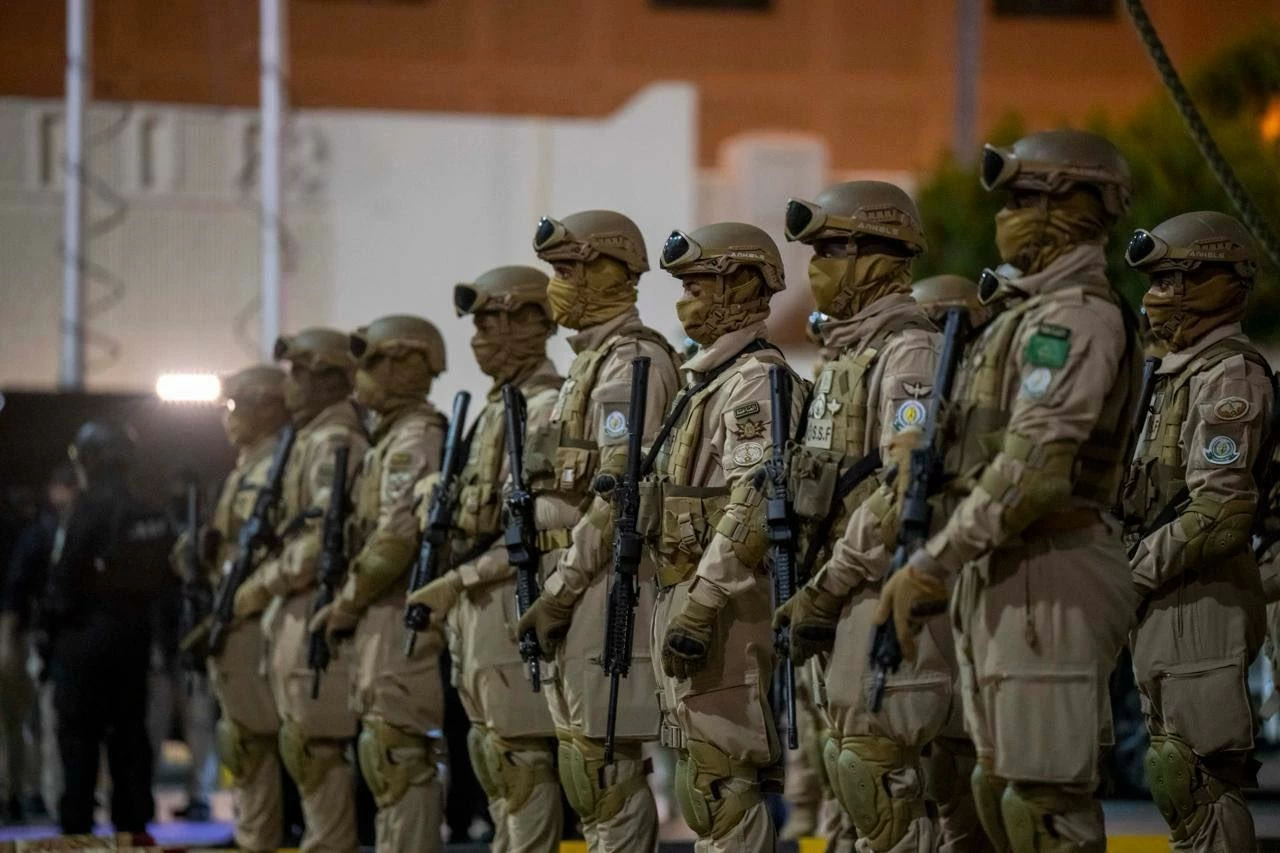
ففي المشاعر المقدسة، يعمل رجال الأمن على إدارة الحركة وتنظيم التفويج، ومساندة الحجاج في المواقع ذات الكثافة العالية، والتعامل مع الحالات الطارئة بحضور مستمر.
وإلى جانبهم، يواصل الأطباء والممارسون الصحيون أعمالهم داخل المستشفيات والمراكز الصحية والفرق الميدانية، لمتابعة الحالات المرضية والإجهاد والإصابات، وتقديم الرعاية اللازمة في وقتها.
أعمال تصنع الفارق في حياتنا اليومية
كما يحضر المسعفون في الطرق والمواقع الحيوية، مستعدين للتدخل السريع، فيما يؤدي عمال النظافة وفرق البلديات دوراً مهماً في المحافظة على نظافة المشاعر والطرق والساحات، ومعالجة المخلفات أولاً بأول، ومتابعة أعمال الإصحاح البيئي والرقابة الميدانية. وهي أعمال قد لا يراها كثيرون بتفاصيلها، لكنها تصنع الفارق في جودة التجربة وسلامة المكان.
ولا يقتصر مشهد العمل في العيد على المشاعر المقدسة، إذ تمتد الجهود إلى المدن والمحافظات، حيث تستمر البلديات في متابعة الحدائق والأسواق والمسالخ والمطاعم، وتواصل فرق الطوارئ والخدمات أعمالها، لضمان انسيابية الحياة اليومية، واستمرار الخدمات الأساسية للمواطنين والمقيمين والزوار.
ويعكس هذا الحضور الميداني قيمة راسخة في العمل الخدمي، قوامها أن فرحة العيد تكتمل حين يجد الإنسان من يخدمه ويحميه ويسعفه وينظم طريقه.
كما يعكس في موسم الحج قدرة المملكة على حشد إمكاناتها البشرية والمؤسسية لخدمة ضيوف الرحمن، عبر منظومة متكاملة تعمل بتناغم بين الأمن والصحة والنقل والبلديات والجهات الخدمية المختلفة.
واجهة من واجهات الوفاء
وفي يوم العيد، لا تظهر البطولة فقط في المشاهد الكبرى، بل في عامل نظافة يبدأ مهماته قبل شروق الشمس، ومسعف يبقى قريباً من موقعه، وطبيب يؤجل فرحته مع أسرته، ورجل أمن يقف لساعات طويلة بين الحشود، وموظف بلدية يتابع تفاصيل قد تبدو صغيرة، لكنها تمنح الناس عيداً أكثر راحة وأماناً.
هؤلاء هم جنود الخدمة في يوم العيد، يمنحون الآخرين فرصة الفرح، ويصنعون بعملهم معنى أوسع للمسؤولية. وبينما يتبادل الناس التهاني، تبقى لهم تحية مستحقة، فهم جزء من ذاكرة العيد، وواجهة من واجهات الوفاء لخدمة الوطن وضيوف الرحمن.
At a time when families gather around the festive tables, and the sounds of congratulations fill homes and gatherings, men and women stand at their workplaces, fulfilling their duties in the field, making the service of humanity a present meaning for the joy of the holiday.
Security personnel, doctors, paramedics, sanitation workers, municipal employees, and members of service sectors all form a bright image of giving as they continue their work on days that are supposed to be for rest and family gatherings.
During the Hajj season, this image becomes even more profound, as the day of Eid is linked to major field tasks, starting from organizing crowd movement, facilitating the transportation of pilgrims, addressing health and emergency cases, cleaning the holy sites, preparing roads and facilities, and monitoring municipal, food, and environmental services to ensure that the guests of God perform their rituals in a safe, organized, and reassuring atmosphere.
In the holy sites, security personnel work to manage movement and organize crowd control, assisting pilgrims in high-density areas and continuously addressing emergency situations.
Alongside them, doctors and healthcare practitioners continue their work inside hospitals, health centers, and field teams, monitoring health cases, fatigue, and injuries, providing necessary care in a timely manner.
Actions that Make a Difference in Our Daily Lives
Paramedics are also present on roads and vital locations, ready for rapid intervention, while sanitation workers and municipal teams play an important role in maintaining the cleanliness of the holy sites, roads, and squares, managing waste promptly, and monitoring environmental sanitation and field supervision. These are actions that many may not see in detail, but they make a difference in the quality of the experience and the safety of the place.
The scene of work during Eid is not limited to the holy sites; efforts extend to cities and provinces, where municipalities continue to monitor parks, markets, slaughterhouses, and restaurants, and emergency and service teams carry on their work to ensure the smooth flow of daily life and the continuity of essential services for citizens, residents, and visitors.
This field presence reflects a deep-rooted value in service work, based on the idea that the joy of Eid is complete when a person finds someone to serve, protect, assist, and organize their way.
It also reflects, during the Hajj season, the Kingdom’s ability to mobilize its human and institutional resources to serve the guests of God, through an integrated system that works in harmony among security, health, transportation, municipalities, and various service entities.
A Face of Loyalty
On the day of Eid, heroism is not only seen in grand scenes but also in a sanitation worker who starts his duties before sunrise, a paramedic who stays close to his post, a doctor who postpones his joy with his family, a security officer who stands for long hours among the crowds, and a municipal employee who follows up on details that may seem small but provide people with a more comfortable and safe holiday.
These are the service soldiers on the day of Eid, giving others the opportunity to rejoice and creating a broader meaning of responsibility through their work. While people exchange congratulations, they deserve a salute, as they are part of the memory of Eid and a face of loyalty in serving the nation and the guests of God.