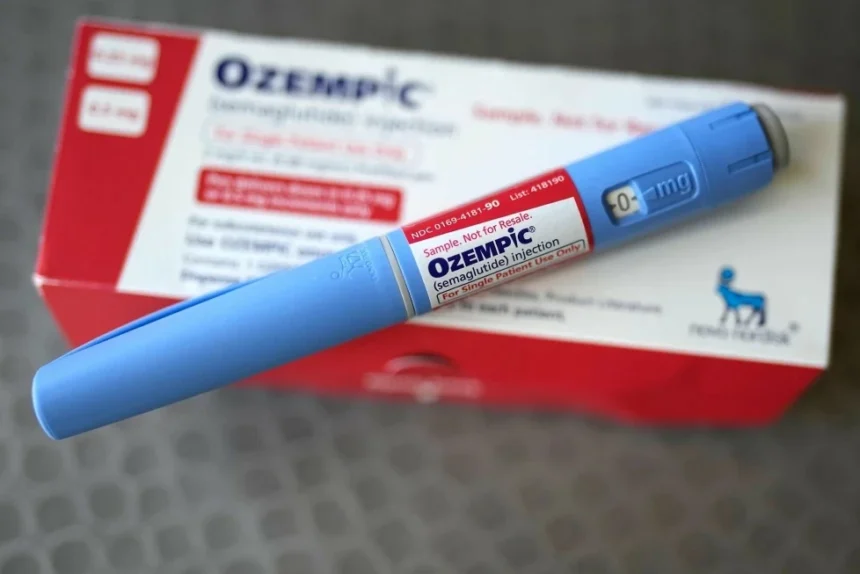
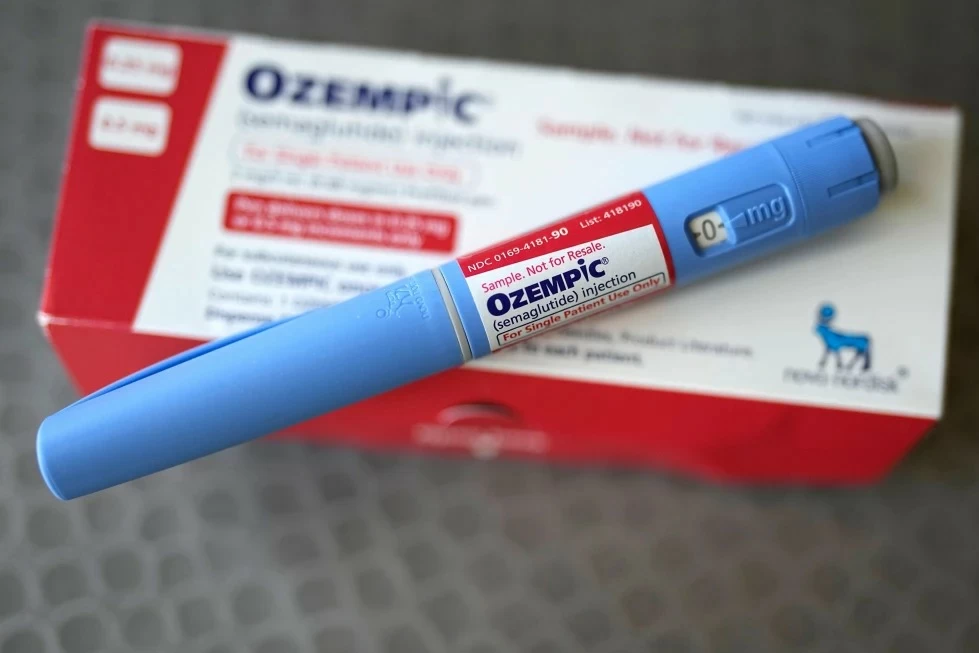
أعلنت إدارة الغذاء والدواء الأمريكية (FDA) إضافة تحذير جديد إلى النشرات الطبية الخاصة بأدوية إنقاص الوزن والسكري الشهيرة، من بينها «أوزمبيك» (Ozempic) و«ويغوفي» (Wegovy)، بشأن احتمال حدوث أثر جانبي نادر قد يؤدي في بعض الحالات إلى فقدان البصر بصورة دائمة.
وأوضحت الهيئة، أن التحذير الجديد سيشمل جميع الأدوية التي تنتمي إلى فئة ناهضات مستقبلات الببتيد الشبيه بالغلوكاغون-1 (GLP-1)، وهي مجموعة من الأدوية المستخدمة لعلاج السمنة والسكري وعدد من الحالات الطبية الأخرى، وتشمل مستحضرات تؤخذ عن طريق الحقن أو الأقراص، من بينها «زيبباوند» (Zepbound) و«مونجارو» (Mounjaro).
حالة نادرة تؤثر في العصب البصري
ويتعلق التحذير بحالة طبية تُعرف باسم الاعتلال العصبي البصري الإقفاري الأمامي غير الشرياني (NAION)، وهي حالة تنتج عن انخفاض تدفق الدم إلى العصب البصري، ما قد يتسبب في تراجع ملحوظ في القدرة على الإبصار، وقد يصل إلى فقدان دائم للرؤية.
وقالت إدارة الغذاء والدواء الأمريكية إن هذه الحالة أُبلغ عن حدوثها لدى مستخدمين لمختلف أدوية فئة GLP-1، مشيرة إلى أن الآلية الأساسية وراء حدوثها لا تزال غير مفهومة بصورة كاملة.
وبدأ العلماء في الهيئة دراسة هذه المخاطر عقب نشر ورقة بحثية طبية عام 2024، ربطت بين الإصابة بالحالة وبعض المرضى الذين كانوا يستخدمون دواء «سيماغلوتايد» (Semaglutide)، وهو المادة الفعالة في أدوية «أوزمبيك» و«ويغوفي».
ماذا كشفت مراجعة أكثر من 125 تجربة سريرية؟
وفي إطار تقييم المخاطر، حلل علماء إدارة الغذاء والدواء الأمريكية بيانات أكثر من 125 تجربة سريرية، ووجدوا أن الإصابة بهذه الحالة سُجلت بمعدل يقارب 6 حالات لكل 100 ألف مريض استخدموا أحد أدوية GLP-1 لمدة عام على الأقل.
وفي المقابل، بلغ معدل الإصابة أقل من 4 حالات لكل 100 ألف شخص ممن تناولوا دواءً وهمياً أو أنواعاً أخرى من الأدوية الخافضة لمستويات السكر في الدم.
كما رصدت الهيئة بلاغات عن الإصابة بهذه المشكلة من خلال نظامها الإلكتروني المخصص لتلقي تقارير إصابات الأدوية والآثار الجانبية المرتبطة بها.
وتشير هذه الأرقام إلى أن الحالة تظل نادرة، لكنها دفعت الجهات التنظيمية إلى تعزيز التحذيرات الطبية المتعلقة بهذه الفئة من الأدوية.
أعراض تستدعي التدخل الطبي الفوري
وحددت إدارة الغذاء والدواء الأمريكية مجموعة من الأعراض التي قد تشير إلى الإصابة بهذه الحالة، أبرزها: تشوش الرؤية أو ضبابيتها، ظهور بقع عمياء في مجال الإبصار، اضطراب أو تشوه رؤية الألوان، تغيرات بصرية أخرى غير معتادة.
وشددت الهيئة على ضرورة تواصل المرضى مع أحد المتخصصين في الرعاية الصحية فور ظهور أي من هذه الأعراض، لتقييم الحالة والحصول على المشورة الطبية المناسبة.
ويأتي التحذير الجديد في ظل الانتشار الواسع لأدوية GLP-1 عالمياً، بعدما أصبحت من أبرز الخيارات العلاجية المستخدمة في التعامل مع السمنة والسكري من النوع الثاني، مع استمرار الجهات الصحية في تقييم فوائدها ومخاطرها المحتملة على المدى الطويل.
The U.S. Food and Drug Administration (FDA) has announced the addition of a new warning to the medical brochures for popular weight loss and diabetes medications, including “Ozempic” and “Wegovy,” regarding the potential for a rare side effect that may, in some cases, lead to permanent vision loss.
The agency clarified that the new warning will encompass all medications belonging to the class of glucagon-like peptide-1 (GLP-1) receptor agonists, which are a group of drugs used to treat obesity, diabetes, and several other medical conditions. This includes formulations that are administered via injection or tablets, such as “Zepbound” and “Mounjaro.”
A Rare Condition Affecting the Optic Nerve
The warning pertains to a medical condition known as non-arteritic anterior ischemic optic neuropathy (NAION), which results from reduced blood flow to the optic nerve, potentially causing a significant decline in vision ability and possibly leading to permanent vision loss.
The FDA stated that this condition has been reported among users of various GLP-1 class medications, noting that the underlying mechanism behind its occurrence remains not fully understood.
Scientists at the agency began studying these risks following the publication of a medical research paper in 2024, which linked the condition to some patients who were using the medication “Semaglutide,” the active ingredient in “Ozempic” and “Wegovy.”
What Did the Review of Over 125 Clinical Trials Reveal?
As part of the risk assessment, FDA scientists analyzed data from over 125 clinical trials and found that the incidence of this condition was recorded at a rate of nearly 6 cases per 100,000 patients who used a GLP-1 medication for at least one year.
In contrast, the incidence rate was less than 4 cases per 100,000 individuals who took a placebo or other types of blood sugar-lowering medications.
The agency also recorded reports of this issue through its electronic system designated for receiving reports of drug injuries and associated side effects.
These figures indicate that the condition remains rare, but they have prompted regulatory bodies to strengthen the medical warnings related to this class of medications.
Symptoms That Require Immediate Medical Attention
The FDA has identified a set of symptoms that may indicate the occurrence of this condition, including: blurred or foggy vision, the appearance of blind spots in the visual field, disturbances or distortions in color vision, and other unusual visual changes.
The agency emphasized the necessity for patients to contact a healthcare professional immediately upon experiencing any of these symptoms, to assess the condition and receive appropriate medical advice.
This new warning comes amid the widespread use of GLP-1 medications globally, as they have become one of the prominent treatment options for managing obesity and type 2 diabetes, while health authorities continue to evaluate their benefits and potential long-term risks.