


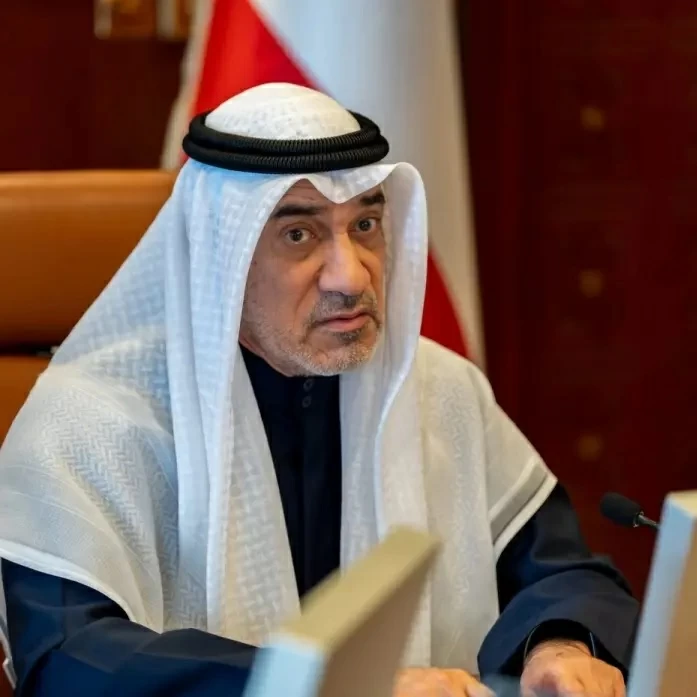
شدّد النائب الأول لرئيس مجلس الوزراء وزير الداخلية الكويتي الشيخ فهد اليوسف على أن قانون الجنسية الجديد ليس خياراً تشريعياً عابراً، بل خطوة ضرورية لحماية الهوية الوطنية وضبط مسارها، مؤكداً أن تطبيقه سيتم بحزم وشفافية بما يضمن صون التركيبة السكانية واحترام الأطر القانونية.
وفي حديثه للصحافة، أشار اليوسف إلى أن ما شاب ملف الجنسية في فترات سابقة من تجاوزات وتلاعب انعكس على المشهد العام، وصولاً – بحسب تعبيره – إلى تأثير مباشر في الحياة السياسية والخطاب العام، إذ تراجعت لغة الحوار لصالح مناخ من الاستقطاب وتداخل المصالح.
وكشف عن أن استخدام التقنيات الحديثة في التدقيق أسفر عن رصد عدد من الحالات غير المتسقة مع السجلات الرسمية، من بينها أسماء مقيدة دون وجود فعلي، وحالات لأشقاء يحملون جنسيات مختلفة داخل الأسرة الواحدة، إضافة إلى ملفات لأبناء كويتيات تم منحهم الجنسية بعد سنوات طويلة عبر وساطات، وفق ما ذكر.
كما أشار إلى حالات أخرى أثارت تساؤلات حول نزاهة السجل، منها وجود أشخاص يشغلون مواقع عامة رغم وجود شبهات تتعلق بجنسياتهم، وحالات يُشتبه في ارتباطها بتستر داخل بعض الأسر على مخالفات في الملف، وصولاً إلى تسجيلات لأشخاص متوفين لم يتم تحديث بياناتهم، مع استمرار إضافة مواليد إلى ملفاتهم.
وأكد اليوسف أن الهدف من هذه الإجراءات ليس التصعيد، بل إعادة ضبط المنظومة على أسس واضحة، تضمن العدالة وتحمي حقوق المواطنين، وتعيد الثقة في واحدة من أكثر القضايا حساسية في الدولة.
The First Deputy Prime Minister and Minister of Interior of Kuwait, Sheikh Fahad Al-Yusuf, emphasized that the new nationality law is not a fleeting legislative option, but a necessary step to protect national identity and regulate its course, affirming that its implementation will be carried out with firmness and transparency to ensure the preservation of the demographic structure and respect for legal frameworks.
In his remarks to the press, Al-Yusuf pointed out that the previous issues surrounding the nationality file, including violations and manipulation, have reflected on the general scene, leading – as he put it – to a direct impact on political life and public discourse, as the language of dialogue has declined in favor of an atmosphere of polarization and overlapping interests.
He revealed that the use of modern technologies in auditing has resulted in the identification of several cases inconsistent with official records, including names registered without actual presence, and cases of siblings holding different nationalities within the same family, in addition to files of children of Kuwaiti women who were granted nationality after many years through intermediaries, as he mentioned.
He also pointed to other cases that raised questions about the integrity of the registry, including the presence of individuals occupying public positions despite suspicions regarding their nationalities, and cases suspected of being linked to concealment within some families regarding violations in the file, reaching instances of registrations for deceased individuals whose data have not been updated, while births continue to be added to their files.
Al-Yusuf confirmed that the aim of these measures is not escalation, but rather to reset the system on clear foundations that ensure justice, protect citizens’ rights, and restore trust in one of the most sensitive issues in the state.