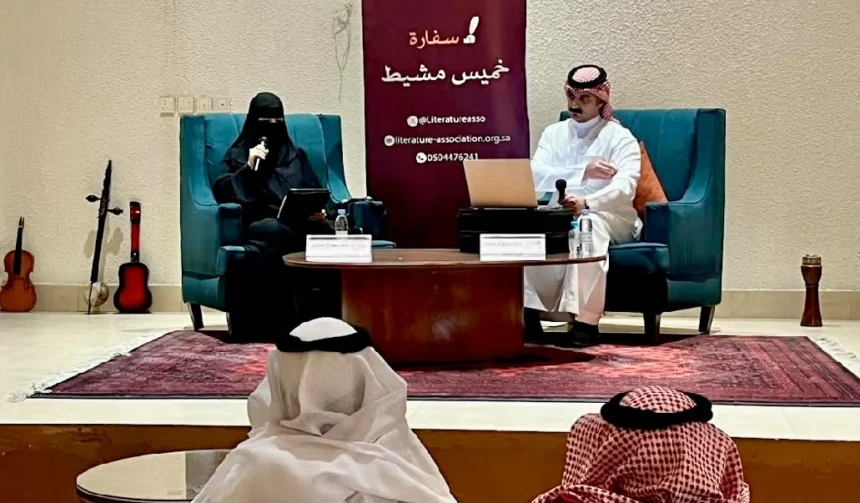
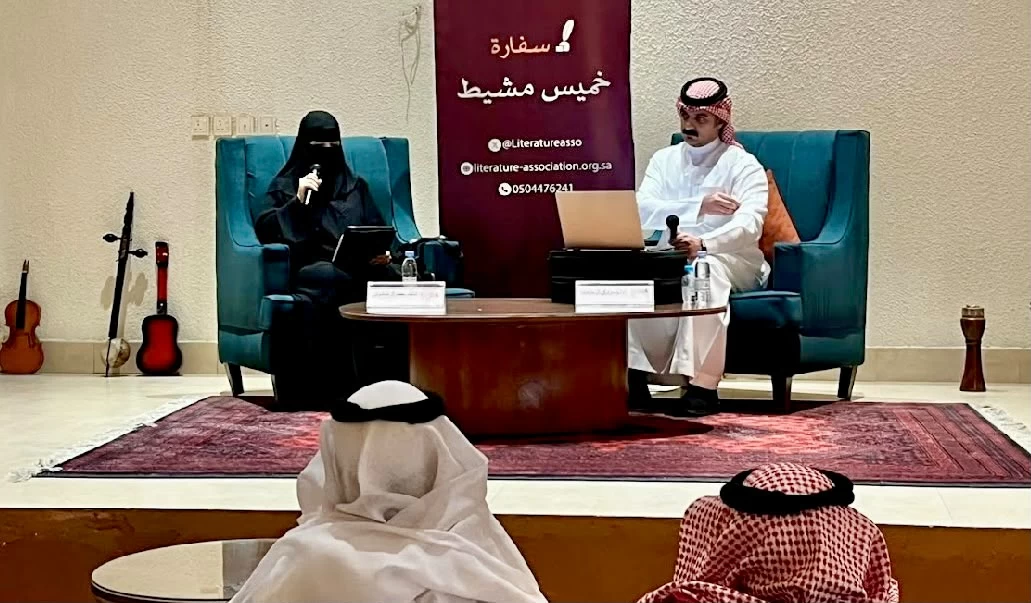
أقامت سفارة جمعية الأدب المهنية بمحافظة خميس مشيط، مساء أمس، وبالتزامن مع اليوم العالمي للرواية العربية، محاضرة أدبية بعنوان «التوهم السردي وصناعة الخطر: قراءة في رواية اللص والكلاب لنجيب محفوظ»، قدمها الدكتور ياسر آل مدعث، وأدارت حوارها الدكتورة أسماء آل مدشوش، وذلك في مقهى دوزن بالمحافظة.
واستعرض المحاضر أبعاد الصراع الداخلي والأسئلة الفلسفية في أزمة بطل الرواية «سعيد مهران»، موضحاً كيف حوّل نجيب محفوظ «الخطر» من مجرد تهديد خارجي إلى حالة نفسية تستوطن وعي الشخصية. كما بيّن دور «التوهم السردي» في خلق مساحة ملتبسة بين الواقع والوهم، بما يضع القارئ في تساؤل مستمر حول أبعاد الحقيقة والعدالة والمصير.
وتخللت الأمسية مداخلات نقدية، حيث تناول الدكتور موسى مبروك أثر الظلم وعواقبه على الفرد والمجتمع مستشهداً بشعر أبي القاسم الشابي، فيما أضاءت رئيسة سفراء الجمعية بالمنطقة، زهرة آل ظافر، على الآليات النفسية للتوهم السردي ودوره في تعزيز التوتر الدرامي داخل النص.
وفي ختام اللقاء، كرَّمت «آل ظافر» المشاركين والمستضيفين بشهادات تقدير، مؤكدةً أن المحاضرة تأتي ضمن جهود الجمعية لإثراء الحراك الثقافي واستعادة المنجز الأدبي العربي بالقراءة والنقد.
The Embassy of the Professional Literary Association in Khamis Mushait held a literary lecture yesterday evening, coinciding with the International Day of Arabic Novel, titled “Narrative Illusion and the Creation of Danger: A Reading of The Thief and the Dogs by Naguib Mahfouz,” presented by Dr. Yasser Al-Mudath, and moderated by Dr. Asma Al-Madshoush, at the Dozen Café in the province.
The lecturer reviewed the dimensions of the internal conflict and the philosophical questions in the crisis of the novel’s protagonist, “Saeed Mahran,” explaining how Naguib Mahfouz transformed “danger” from a mere external threat into a psychological state that inhabits the character’s consciousness. He also highlighted the role of “narrative illusion” in creating an ambiguous space between reality and illusion, placing the reader in a continuous questioning of the dimensions of truth, justice, and destiny.
The evening included critical interventions, where Dr. Moussa Mabrouk discussed the impact of injustice and its consequences on the individual and society, citing the poetry of Abu Al-Qasim Al-Shabi, while the head of the association’s ambassadors in the region, Zahra Al-Dhafer, shed light on the psychological mechanisms of narrative illusion and its role in enhancing dramatic tension within the text.
At the end of the meeting, “Al-Dhafer” honored the participants and hosts with certificates of appreciation, affirming that the lecture is part of the association’s efforts to enrich the cultural movement and restore the Arab literary achievement through reading and criticism.