
أثار قرار إدارة نادي الشباب بإيقاف مهاجم الفريق عبدالرزاق حمدالله حتى نهاية الموسم تفاعلاً واسعاً في الأوساط الرياضية، في ظل تزامنه مع تغريدات مثيرة للجدل من رئيس النادي عبدالعزيز المالك واللاعب نفسه، ما فتح الباب أمام تساؤلات عدة حول كواليس القرار وانعكاساته على الفريق.
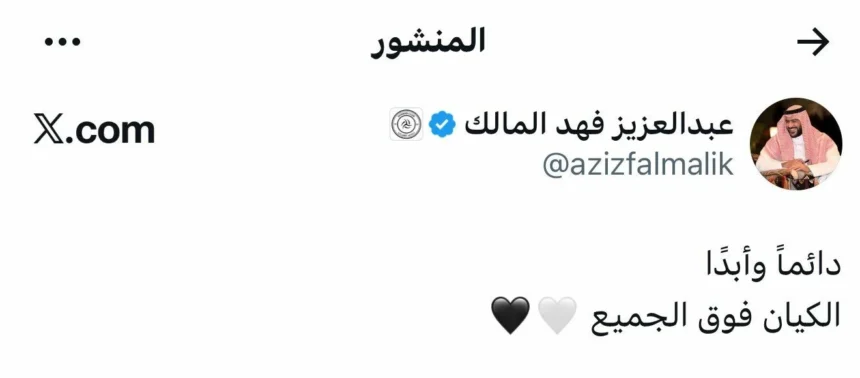
وبحسب ما تم تداوله عبر منصة «إكس»، جاءت تغريدات المالك حازمة وتحمل نبرة إدارية واضحة، إذ غرّد قائلاً: «دائماً وأبداً الكيان فوق الجميع»، في رسالة فُهم منها أنها تبرير مباشر لقرار الإيقاف، وتأكيد على توجه الإدارة لفرض الصرامة في المرحلة المقبلة.
في المقابل، حملت تغريدات حمدالله طابعاً مختلفاً، إذ بدت أقرب إلى الرد غير المباشر، ما بين التلميح والاستياء، دون الخوض في تفاصيل صريحة، إذ نشر:
﴿ وَيَمْكُرُونَ وَيَمْكُرُ اللَّهُ وَاللَّهُ خَيْرُ الْمَاكِرِينَ ﴾، وهو ما زاد من حالة الجدل بين الجماهير، التي انقسمت بين مؤيد لقرار الإدارة باعتباره خطوة لضبط غرفة الملابس، وبين متعاطف مع اللاعب بالنظر إلى قيمته الفنية وتأثيره الهجومي.
تحليلياً، يعكس هذا المشهد حالة من التوتر الداخلي داخل أروقة الشباب، خصوصاً أن القرار جاء في توقيت حساس وقبل مباراة النصر يوم الخميس القادم، ما قد يؤثر على الاستقرار الفني للفريق. ويُعد حمدالله أحد أبرز العناصر الهجومية، وغيابه حتى نهاية الموسم قد يفرض تحديات كبيرة على الجهاز الفني في إيجاد البدائل القادرة على تعويضه.
من جانب آخر، يظهر أن إدارة الشباب تسعى لإيصال رسالة قوية مفادها أن الانضباط يتقدم على الأسماء، وهو توجه قد يعزز من هيبة الإدارة على المدى الطويل، لكنه في المقابل يحمل مخاطرة فنية آنية، خصوصاً إذا لم تُترجم هذه القرارات إلى نتائج إيجابية داخل الملعب.
The decision by the Al-Shabab Club management to suspend the team’s striker Abdulrazak Hamdallah until the end of the season has sparked widespread reactions in sports circles, especially as it coincided with controversial tweets from the club president Abdulaziz Al-Malik and the player himself, opening the door to several questions about the behind-the-scenes of the decision and its implications for the team.
According to what was circulated on the “X” platform, the president’s tweets were firm and carried a clear administrative tone, as he tweeted: “Always and forever, the entity is above everyone,” in a message understood as a direct justification for the suspension decision and a confirmation of the management’s intention to enforce strictness in the upcoming phase.
In contrast, Hamdallah’s tweets had a different tone, appearing more like an indirect response, oscillating between hints and dissatisfaction, without delving into explicit details, as he posted:
﴿ وَيَمْكُرُونَ وَيَمْكُرُ اللَّهُ وَاللَّهُ خَيْرُ الْمَاكِرِينَ ﴾, which increased the controversy among fans, who were divided between supporters of the management’s decision as a step to regulate the dressing room and sympathizers with the player considering his technical value and offensive impact.
Analytically, this scene reflects a state of internal tension within the Al-Shabab corridors, especially since the decision came at a sensitive time and before the match against Al-Nassr next Thursday, which could affect the team’s technical stability. Hamdallah is considered one of the most prominent attacking elements, and his absence until the end of the season may pose significant challenges for the coaching staff in finding capable alternatives to compensate for him.
On another note, it appears that the Al-Shabab management is trying to convey a strong message that discipline takes precedence over names, a direction that may enhance the management’s prestige in the long run, but conversely carries an immediate technical risk, especially if these decisions do not translate into positive results on the field.