



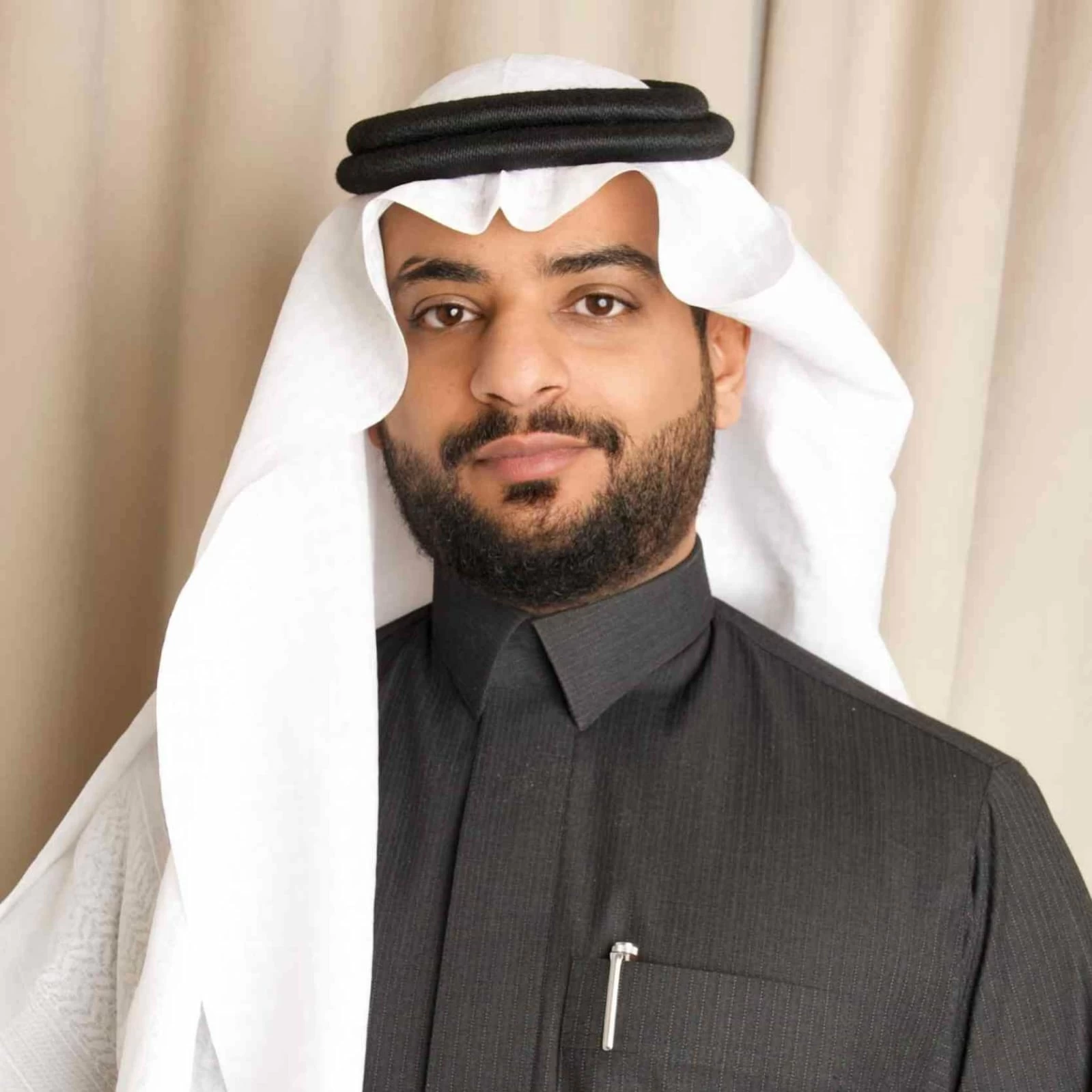
قرأتُ منشورًا للأستاذ القدير علي فايع يتحدث فيه عن مقالٍ لعلي بدر، عنوانه: «المثقفون العرب ودول الخليج: حين انتقل المال ولم ينتقل التاريخ»، فعدتُ إلى المقال وقرأته.
ليست مشكلة مقالة علي بدر في أنها تنتقد الخليج؛ فالنقد حقّ، ومساءلة المؤسسات الثقافية ضرورة، وفحص أثر المال في الثقافة بابٌ مشروع من أبواب التفكير، معضلتها الأعمق أنها لا تنتقد بقدر ما تعيد إنتاج مخيال قديم، أقرب إلى السذاجة منه إلى التحليل، ثم تكسوه هيئة معرفية متماسكة؛ فهي تضع الخليج في قفص اتهامٍ مسبق، وتستدعي لمحاكمته قضاة قضوا نحبهم: المدينة الأيديولوجية، والحزب، والانقلاب، والثورة، والطبقة العاملة الصناعية، والسجال اليساري، والمجلة المركزية، والمثقف الذي لا يطمئن إلى التاريخ إلا إذا سمع وقع الهزيمة في خلفيته.
فمنذ السطر الأول يذهب علي بدر إلى تقرير حاسم: «منذ التسعينيات، تغيّر مركز إدارة الثقافة العربية مع صعود المؤسسات الخليجية وتمدد نفوذها المالي والإعلامي»، ثم يبني على ذلك دعوى أكبر: أن هذا الانتقال كشف فجوة بين «امتلاك المنصات» و«امتلاك الشرعية الرمزية» وهذه العبارة – على إغرائها – تخفي مأزقًا منهجيًا واضحًا: من يملك حق منح الشرعية الرمزية؟ وهل هي وديعة أبدية في يد بغداد وبيروت ودمشق والقاهرة؟ وهل المدن التي صنعت جانبًا مهمًا من المعنى العربي الحديث تملك أن تمنع غيرها من المشاركة في تعريفه؟ هنا يتعامل علي بدر مع الشرعية كما يتعامل الورثة الغاضبون مع ملكية قديمة: ما كان لنا لا يجوز أن يصبح لغيرنا.
ثم يكتب: «دول الخليج لم تنجح رغم قوتها المالية الهائلة وحضورها الإعلامي والمؤسسي في إنتاج تعاطف عربي واسع حتى وهي تتعرض لهجمات مباشرة من قبل إيران»، وهذه جملة تخلط بين الأخلاق والسياسة والثقافة خلطًا خطيرًا؛ فضعف التعاطف – إن ثبت – لا يعني ضعف من وقع عليه الاعتداء، وإنما يعني فساد جهاز التلقي العربي، أو طغيان الاصطفاف الطائفي، أو أثر الدعاية، أو أحقادًا أيديولوجية موروثة، أو بقايا قديمة لخطاب قومي ويساري عاش عقودًا على شيطنة الخليج؛ أن تسقط القذيفة على بيتك ثم يُسأل البيت: لِمَ لم يبكِ عليك الجيران؟ فذلك ليس تحليلًا؛ إنه عبث أخلاقي يبرّئ برودة القلوب، ويحمّل الضحية وزرَ عيونٍ اختارت ألّا ترى.
ويبلغ هذا الخلل مداه حين يستدعي عليّ سنة 1990 قائلًا إن «المثقفين العرب انقسموا حول غزو الكويت، واصطف كثير منهم، بصمت أو بحماسة، إلى جانب العراق».. أراد من هذه الجملة أن يجعلها دليلًا على أزمة الموقع الخليجي في المخيال العربي، فإذا بها تتحول إلى شهادة إدانة للمثقف العربي القديم نفسه؛ فأي مثقف هذا الذي يحتاج إلى جهد رمزي كي يتعاطف مع دولة عربية غُزيت؟ وأي ضمير ثقافي ذاك الذي يرقص للدبابة ثم يلوم المدينة المدهوسة لأنها لم تكن محبوبة بما يكفي؟ ليست أزمة الكويت سنة 1990 أنها لم تمتلك شرعية رمزية عند بعض المثقفين؛ الأزمة أن بعض المثقفين كانوا قد استبدلوا الضمير بالشعار، والحق بالزعيم الخالد، والعدالة بالهتاف أو «الهوسة».
ثم ماذا؟
ثم ينتقل عليّ إلى القول إن الخليج بعد ذلك «بدأ عملية واسعة لإعادة تنظيم المجال الثقافي العربي عبر الاستثمار في الصحافة، ودور النشر، والجامعات الخاصة، والجوائز الأدبية، والمهرجانات، ومراكز الأبحاث»، ثم يقرر أن الهدف «لم يكن إنتاج مدرسة فكرية جديدة، وإنما إعادة توزيع مواقع الثقافة نفسها». وهنا يلوّح بإدانة كبرى لكنه لا يبرهن عليها؛ بمعنى أن الاستثمار في الصحافة والنشر والترجمة والجامعات والجوائز ليس عيبًا في ذاته، وإلا لوجب أن ندين كل تاريخ الثقافة الحديثة؛ فالصحافة المصرية لم تقم خارج التمويل، والمجلات اللبنانية لم تعش على الهواء، ودور النشر لم تكن أديرة مجانية، والجامعات لا تنشأ من التأمل البوذي، الفرق أن المال حين كان يأتي من العواصم القديمة سُمّي نهضة، وحين يأتي من الخليج يصبح ريعيًا.
ومن أخطر ما في المقال أنه يصك مصطلح «المثقف المستخلِج» ويقول: «ليس المقصود هنا المثقف الخليجي، وإنما المثقف العربي الذي يعمل مع المؤسسات الخليجية، وتحوّل تدريجيًا إلى جزء من جهازها الثقافي». المصطلح ذاته أداة وصم؛ لأنه يلوّث الموقع قبل الكلام؛ فمن عمل في مؤسسة خليجية صار محل شبهة، من شارك في جائزة خليجية صار داخل جهاز، من نشر في صحيفة خليجية صار جزءًا من إعادة ترتيب شروط الخطاب، وبهذا المنطق يمكننا أن نخترع «المثقف المتبعث» لكل من كتب في بغداد زمن الحزب، و«المثقف المتلبنن» لكل من كتب في صحافة بيروت الممولة من الخارج، و«المثقف المتأمرك» لكل من نشر في مجلة مدعومة من مؤسسة غربية، والطريف أن علي بدر هو «مثقف مستخلج» بامتياز؛ فقبل أن يوزع تهمة «الاستخلاج» على المثقفين العرب كان عليه أن يضع سيرته على الطاولة: جائزة إماراتية، وجائزة ابن بطوطة ذات الرعاية الإماراتية، ونشر خليجي، وحضور في الصحافة الخليجية، لا أقول هذا لمصادرة حقه في النقد؛ فذلك حقه كاملًا، ولكن لكشف التناقض الأخلاقي في المقال: أن تصبح المؤسسة الخليجية مانحةً شرعية حين تكرّم الكاتب، ثم تتحول إلى جهاز ريعيّ لإفساد الثقافة حين تكرّم غيره، هنا لا يعود النقد نقدًا للمال، وإنما غضبًا انتقائيًا من المال حين لا يكون في الجهة المناسبة.
ويقول عليّ: «صار نقد الدولة الوطنية في المشرق موضوعًا مركزيًا، بينما خرج نقد الدولة الريعية من المجال التداولي العام»، وهذه جملة تحتاج إلى تفكيك حاد؛ فنقد الدولة الوطنية في المشرق لم يصعد لأن الخليج أراد ذلك، وإنما لأن الدولة الوطنية في كثير من صيغها المشرقية تحولت إلى حزب واحد، وسلطة أمنية، ومعتقلات، وهزائم، وتوريث، وتمزيق اجتماعي، وإفقار، وخطاب تعبوي طويل، أكان على المثقف العربي أن يسكت عن كل ذلك كي لا يبدو قريبًا من الخليج؟ أما الدولة الريعية فقد نوقشت مرارًا في الاقتصاد السياسي والاجتماع الخليجي والفكر العربي، غير أن الكاتب لا يريد نقدًا للدولة الريعية، بل يريد نقدًا بنبرة محددة: نبرة تجعل الخليج في مقام التلميذ المتأخر والمشرق في مقام الأستاذ الجريح.
بعد ذلك تأتي أخطر جملة في المقال كله: «في هذا المخيال، لم يكن الخليج مختلفًا فقط، إنما ناقص الشروط التي تجعله قابلًا لأن يكون موضوعًا للفكر. فهو لم ينتج أحزابًا كبرى، ولا انقلابات، ولا سجالات أيديولوجية، ولا طبقة عاملة صناعية، ولا برجوازية وطنية حديثة».. هنا ينكشف لاوعي المقال كاملًا؛ فالكاتب يجعل الانقلابات والأحزاب الكبرى والسجالات الأيديولوجية والطبقة الصناعية شروطًا للدخول في التاريخ، أي أن المجتمع الذي لم يلد انقلابًا لم يكتمل والذي لم تمزقه الأحزاب لم يبلغ الرشد، والذي لم يعرف صراعًا أيديولوجيًا داميًا لا يستحق أن يكون موضوعًا للفكر، هذه عبادة قديمة لصخب القرن العشرين. ولعل السؤال الذي كان أجدر بعلي بدر أن يطرحه على نفسه، قبل أن ينصب محكمته للخليج: ماذا أنتجت تلك الأحزاب الكبرى والانقلابات والسجالات الأيديولوجية في العالم العربي؟ هل أنتجت مواطنًا حرًا؟ هل بنت جامعة مستقلة؟ هل حفظت كرامة الإنسان؟ هل صنعت دولة قانون؟ هل فتحت المجال للمعرفة؟ أم أنها أنتجت دولة الخوف ومثقف البيانات وشعر الهزيمة وسجون المعارضين وتماثيل الزعيم، ثم انتهت إلى الاستجداء من المؤسسات التي كانت تسخر منها؟
أما حديثه عن أن الخليج لم ينتج ثورة فهو من أضعف حججه؛ فالثورة ليست شهادة ميلاد ثقافية، نعم قد تكون لحظة ضرورة تاريخية، وقد تكون انتحارًا جماعيًا، فليست كل ثورة وعيًا، وليست كل استمرارية ركودًا، وبعض المجتمعات تبني تحولها بالتدرج، والتعليم، والإدارة، والمؤسسة، والتنمية، وتوسيع المجال العام ببطء، وبعضها تدخل الثورة باسم الحرية ثم تخرج منها بجنرال يظن أنه نصف إله أو ميليشيا أو حرب أهلية أو دولة فاشلة، إن جعل الثورة معيارًا للتفوق الثقافي يعني أن الخراب صار عند بعض المثقفين شرطًا للنباهة، وهذا من أغرب ما ورثه العقل العربي الحديث: أنه لا يرى التاريخ إلا حين يشتعل.
ثم ماذا؟
ثم يذهب علي إلى أن الخليج «كان قد استقر داخل المخيال العربي الحديث بوصفه فضاءً يقع خارج التاريخ الاجتماعي الذي صنعت فيه المدن الكبرى معنى الحداثة»، وهذه العبارة تكشف أن المقال وكاتبه لا يميزان بين التاريخ والمخيال؛ فكون الخليج صُوّر في مخيال عربي معين خارج التاريخ لا يعني أنه كان خارج التاريخ فعلًا؛ بمعنى أن المخيال قد يظلم، ويختزل، ويستعلي، ويستبطن صورًا استعمارية، الخليج ليس صحراء صامتة انتظرت النفط كي تتكلم، إنه تاريخ بحر، ولؤلؤ، وموانئ، وتجارة، وقوافل، وحج، وفقه، وشعر، ومجالس، وقرى، وزراعة، ومدن، وصلات مع العالم، ومن لا يرى هذا التاريخ إلا بعد ظهور النفط يكشف فقر عدسته إن وجدت.
ويضيف أن صورة الخليجي في «الرواية والصحافة والنكتة السياسية» لم تكن صورة اجتماعية فحسب، وإنما «حكم تاريخي كامل»، وهذه جملة ينبغي دقُّ عنقها من المِفصل؛ إذ لا تتحول النكتة السياسية إلى وثيقة تاريخية لمجرد شيوعها ولا تصير الرواية حكمًا مبرمًا على مجتمع لأنها أحسنت صناعة الرمز ولا تملك الصحافة – بما فيها من استعجال ومزاج وأيديولوجيا – أن تصدر أحكامًا أبدية على الشعوب، وحين تتحول الصورة النمطية إلى «حكم تاريخي كامل» نكون أمام إعادة إنتاج للعنصرية الثقافية بهيئة نقد خديج. ولو أن صورة العراقي في نكتة خليجية، أو صورة المصري في فيلم هابط، أو صورة الشامي في طرفة عامية تحولت إلى حكم تاريخي، لرفض علي بدر ذلك فورًا، فلماذا يقبل هذا المنطق حين يكون موضوعه الخليج؟ أترك الإجابة للقارئ.
ثم يستدعي صراع مجلة «الآداب» ومجلة «شعر» في الستينيات ويقول إن الصراع لم يكن أدبيًا خالصًا، وإنما كان صراعًا على تعريف المجال العربي، ثم يجعل الخليج حاضرًا ضمنيًا باعتباره «الامتداد الاجتماعي الأكثر صفاءً» للنموذج العربي التقليدي الذي ينبغي تجاوزه، وهذا ضرب من الإسقاط؛ فكون مجلة «شعر» اشتبكت مع البلاغة الكلاسيكية واللغة الفقهية والقبيلة والدولة السلطانية لا يعني أن الخليج كان المثال الحي الوحيد أو الأصفى لهذا كله، وهذه قراءة تستدعي الخليج إلى معركة لم يكن طرفها المركزي، ثم تدينه بنتائجها، وهنا يريد علي بدر أن يقول: حتى حين لم تكونوا موضوعًا مباشرًا، كنتم المتهم الضمني.
أما قوله إن «الآداب» دافعت عن العروبة بوصفها مشروعًا تحرريًا حديثًا لكنها أخرجت الخليج من هذا التمثيل. ففيه اعترافٌ خفيٌّ جَهِل علي بدر خطورته: المشكلة إذن ليست في الخليج، وإنما في جهاز تمثيل عربي كان عاجزًا عن رؤية أطرافه إلا من خلال المركز، وهذا ينسف دعواه من الداخل؛ فإذا كانت مجلات الحداثة والعروبة قد استبعدت الخليج، فالسؤال ليس: لِمَ لم يكن الخليج جديرًا بالدخول؟ بل: ما عطب تلك الحداثة التي رفعت شعار التحرر ومارست الإقصاء؟ وما قيمة عروبة لا ترى العربي إلا حين يشبه المدينة التي كتبت البيان؟
ثم ماذا؟
ثم تأتي فقرة «الشيخ النفطي» حيث يقول علي بدر إن الصحافة الغربية عززت صورة «جسد مغمور بالذهب، تحيط به السيارات والنساء، يحمل ثروة لا تُفسّر داخل منطق العمل الصناعي الحديث»، وهنا يقترب من لب المسألة، لكنه لا ينجو من أثرها؛ فهو يعترف أن الصورة غربية واستعمارية، ثم يتابع توظيف نتائجها داخل تحليله، وكان عليه أن يفكك الصورة، لا أن يجعلها سندًا لفكرته، كان عليه أن يسأل: كيف تسربت الكاريكاتيرات الغربية إلى المخيال العربي؟ وكيف قبل المثقف العربي أن يستعمل سخرية استعمارية ضد جزء من مجتمعه العربي؟ غير أنه يكتفي بالقول إن هذه الصورة «ترجمة رمزية لموقع الريع داخل النظام العالمي» وهذا تلطيف أكاديمي لحقيقة أكثر فجاجة: إنها صورة استعلائية أعاد بعض العرب استخدامها لأنهم احتاجوا إلى موضوع يسقطون عليه مرارة هزائمهم.
ويستدعي رواية «بيروت بيروت» لصنع الله إبراهيم و«مدن الملح» لعبد الرحمن منيف ليثبت أن الخليجي ظهر في السرد باعتباره علامة على غياب الوعي السياسي أو بوصف النفط قوة اقتحمت مجتمعًا قبل دخوله التاريخ الاجتماعي الحديث، وهنا مرة أخرى يخلط بين تمثيل أدبي وحكم معرفي وما أكثر خلطه؛ فالرواية قد تكشف زاوية وقد تفضح خللًا وقد تبالغ وقد تصنع رمزًا وقد تظلم، ولكن لا يجوز أن تتحول إلى ختم نهائي على مجتمع كامل، إن تصوير الخليجي كناقص الوعي في نص روائي لا يعني أن الخليجي كذلك، كما أن تصوير المثقف المشرقي كانتهازي في رواية أخرى لا يعني أن المشرق كله انتهاز، وإلا فماذا نصنع بروايات نجيب محفوظ التي قدّمت أحياء وشرائح من المجتمع المصري في صور مخصوصة؟ هل يجوز لغافلٍ أن يأتي إلى تلك النماذج الروائية، فيجعلها حكمًا على الشعب المصري كله؟ وهل يتبعه في ذلك عاقل يعرف الفرق بين التمثيل الفني والحكم التاريخي؟
ثم يقول: «بقي الخليج مركزًا ماليًا من دون أن يتحول إلى مركز اعتراف، وبقي قادرًا على تنظيم الثقافة لكنه لم يصبح قادرًا على تعريفها»، وهذه دعوى ضخمة لا يكفي لتثبيتها تكرار ثنائية المال والمعنى، الخليج ليس ممولًا صامتًا؛ ففيه معارض كتاب كبرى، ومشروعات ترجمة، وجوائز مؤثرة – لا أظنه نسيها – ومجلات، ومراكز بحث، ومؤسسات نشر، ومتاحف، ومهرجانات، وجامعات، ومنصات إعلامية وثقافية، وحراك أدبي وفني ونقدي آخذ في التوسع، قد يختلف المرء مع بعضها، وينتقدها، وقد يقول إنها لم تبلغ بعد حد المدرسة الفكرية الكبرى، وهذا كله مشروع، أما أن تُختزل كلها في «تنظيم الثقافة» دون «تعريفها» فهذه مغالطة؛ فتعريف الثقافة لا يقع دفعة واحدة، إنه تراكم طويل.
ويكرر عليّ أن انتقال الثقافة العربية إلى الخليج لم يكن انتقالًا لمركزها، وإنما انتقال لإدارتها، ثم يقول: «الفرق بين الاثنين هو الفرق بين من يملك المنصة ومن يملك التاريخ»، وهذه واحدة من أكثر عبارات المقال شاعرية، وأقلها دقة؛ التاريخ ليس ملكية عقارية لك تستطيع منع غيرك من الدخول إليه، ثم إن المنصة نفسها جزء من التاريخ، المطبعة كانت منصة، والصحيفة والجامعة والمجلة ودار النشر كلها منصات، وكل ما يسميه الكاتب «تاريخًا» بدأ في مرحلة ما كمنصة ممولة ومدارة ومؤسسية، فلماذا تصبح المنصة عارًا حين تكون خليجية، وتصبح نهضة حين تكون في مدينة قديمة؟
ثم يختم عليّ بمشهد 1991 حين يقول إن حرب الخليج لم تكن حدثًا عسكريًا فقط، وإنما لحظة فاصلة في تاريخ الثقافة العربية، إذ بدأت مدن مثل القاهرة وبيروت وبغداد ودمشق تفقد مواردها وقدرتها على تنظيم المجال الثقافي. وهذا صحيح في بعضه، لكنه يحتاج إلى شجاعة في استكماله؛ فهذه المدن لم تفقد موقعها لأن الخليج سرقه منها، فقدته لأسباب داخلية كبرى: الاستبداد، الحروب، الانهيارات الاقتصادية، فساد المؤسسات، هجرة الكفاءات، تضييق الحريات، تآكل الصحافة، وانطفاء الجامعة في مواضع كثيرة، الخليج لم ينتزع المركز من مدينة معافاة؛ الخليج صعد في لحظة كانت فيها مراكز قديمة تستنزف نفسها بنفسها، والفرق كبير بين من يسرق بيتًا قائمًا ومن يبني بيتًا حين تتهاوى بيوت الآخرين.
إن جوهر المقال – بعد نزع زخرفته – قائم على معادلة واحدة: الخليج مالٌ بلا معنى، والمشرق معنى بلا مال، وهذه معادلة مريحة للمثقف الجريح، لكنها غير صادقة؛ فالمشرق ليس معنى خالصًا، والخليج ليس مالًا محضًا؛ في المشرق معرفة عظيمة وخراب عظيم، وفي الخليج مال ومؤسسات وتحولات اجتماعية وثقافية حقيقية، والمثقف الجاد لا يحاكم المجتمعات بما ينقصها وحده، ولكن بما تتحرك نحوه أيضًا، أما أن نحمّل الخليج سبب فقر غيره، وتخلف غيره، ونكسة غيره الثقافية، وجهله وأميته، ثم نطالبه بأن يعتذر لأنه لم ينتج نسخة من حداثة لم يفهم كثير من مستورديها سياقاتها الأصلية أصلًا، فهذا في لبّه تهرب من الحساب.
لقد استورد بعض مثقفي القرن العشرين العربي الحداثة كما تُستورد الشعارات: أخذوا النتيجة وتركوا شروطها؛ أخذوا التمرد وتركوا المنهج؛ أخذوا كراهية التقليد وتركوا بناء المؤسسة؛ أخذوا صورة المثقف الثائر وتركوا أخلاق المعرفة، ثم حين لم تُنتج تلك الحداثة وعودها وعندما انتهت أحلامها إلى هزائم وانقلابات وسجون وأطلال وجدوا في الخليج خصمًا مناسبًا: غنيًّا بما يكفي ليُحسد، ومحافظًا بما يكفي ليُدان، وصاعدًا بما يكفي ليُخاف منه.
ثم ماذا؟
ثم ليست المسألة أن الخليج فوق النقد؛ فمن يقول ذلك يسيء إلى الخليج قبل خصومه؛ فالخليج ليس فردوسًا ثقافيًا، ولا مؤسساته بريئة من أسئلة السوق والسلطة والاحتفاء، لكنه ليس فراغًا تاريخيًا ولا مالًا بلا معنى، والفرق كبير بين نقد التجربة لتتقدم ونفي التجربة كي تبقى تابعة لاعتراف غيرها.
النقد يطلب الإصلاح، أما الاستعلاء فيطلب إعادة ترتيب الطاعة الرمزية: أن يبقى الخليج ممولًا، وأن يظل الاعتراف في يد غيره. المقال في حقيقته لا يقول للخليج: أنت لم تنتج معنى، الحق أنه يقول: المعنى لا يحق لك أن تنتجه إلا حين تمر من الطريق الذي مررنا به؛ هو يريد له ثوراتهم، وانقلاباتهم، وأحزابهم، وندوبهم، وخرابهم ثم بعد ذلك قد ينظرون في أمره، وهذه وصاية مضحكة متأخرة لا يليق أن تصدر ممن يتحدث باسم الحداثة. الحداثة – في أصلها العميق – ليست استنساخ تاريخ مدينة بعينها، وإنما قدرة المجتمع على إنتاج شروطه الخاصة في المعرفة والتنظيم والحرية والمؤسسة والخيال، والخليج – بما له وما عليه – بدأ يكتب شروطه الخاصة، هذا ما يزعج المقال حقًا.
لذلك فالمشكلة ليست أن الخليج لم يتحول إلى مركز رمزي، المعضلة أن بعض المثقفين العرب لا يريدون الاعتراف بأن المركز لم يعد واحدًا، وأن الثقافة لم تعد تصدر من مدينة واحدة، وأن الشرعية لم تعد ميراثًا محفوظًا للمقهى القديم والمجلة القديمة والحزب القديم، لقد تغيرت الخريطة، ومن لم يستطع قراءة التغير اتهم الخريطة لا عينيه.
إن دول الخليج لم تنتج «ثورة» على الطريقة التي يفتقدها علي بدر لكنها أنتجت سؤالًا أهم: أيمكن بناء مسار عربي حديث لا يبدأ من الانقلاب ولا ينتهي إلى المنفى؟ أيمكن للثقافة أن تقوم على المؤسسة دون أن تفقد روحها؟ أيمكن للمال أن يتحول إلى بنية معرفة لا إلى زينة احتفالية؟ وهل يملك المثقف العربي القديم شجاعة الانتقال من رثاء مركزه المفقود إلى المشاركة في بناء مركز متعدد؟
هذا هو السؤال الذي يهرب منه علي بدر، أما حديث «المال بلا تاريخ» فليس إلا آخر دفاعات شخص يرى المنصة تنتقل من تحته، فيسمي انتقالها سقوطًا في المعنى، والحقيقة أن المعنى لم يسقط؛ الذي سقط هو احتكار الكلام باسمه.
* كاتب وباحث في الأدب والفكر
I read a post by the esteemed professor Ali Fayeh discussing an article by Ali Badr titled: “Arab Intellectuals and the Gulf States: When Money Moved but History Did Not,” so I went back to the article and read it.
The problem with Ali Badr’s article is not that it criticizes the Gulf; criticism is a right, questioning cultural institutions is a necessity, and examining the impact of money on culture is a legitimate avenue of thought. Its deeper issue is that it does not criticize as much as it reproduces an old imagination, closer to naivety than to analysis, and then cloaks it in a coherent intellectual form; it places the Gulf in a preemptive cage of accusation and summons judges who have passed away: the ideological city, the party, the coup, the revolution, the industrial working class, the leftist debate, the central magazine, and the intellectual who does not find reassurance in history unless he hears the sound of defeat in the background.
From the very first line, Ali Badr goes to a decisive report: “Since the 1990s, the center of managing Arab culture has changed with the rise of Gulf institutions and the expansion of their financial and media influence,” and then builds on that a larger claim: that this transition revealed a gap between “owning platforms” and “owning symbolic legitimacy.” This phrase—despite its allure—hides a clear methodological dilemma: who has the right to grant symbolic legitimacy? Is it an eternal deposit in the hands of Baghdad, Beirut, Damascus, and Cairo? Do the cities that created an important part of modern Arab meaning have the right to prevent others from participating in defining it? Here, Ali Badr treats legitimacy as angry heirs treat an old property: what was ours cannot become someone else’s.
He then writes: “The Gulf states have not succeeded, despite their enormous financial power and media and institutional presence, in producing widespread Arab sympathy even when they are subjected to direct attacks from Iran,” and this sentence dangerously mixes ethics, politics, and culture; the weakness of sympathy—if proven—does not mean weakness on the part of those who were attacked, but rather indicates a corruption in the Arab reception apparatus, or the dominance of sectarian alignment, or the effects of propaganda, or inherited ideological grudges, or remnants of an old nationalist and leftist discourse that spent decades demonizing the Gulf; to have a shell fall on your house and then be asked: why didn’t the neighbors weep for you? That is not analysis; it is an ethical absurdity that absolves the coldness of hearts and burdens the victim with the weight of eyes that chose not to see.
This flaw reaches its peak when Ali recalls 1990, stating that “Arab intellectuals were divided over the invasion of Kuwait, and many of them, silently or enthusiastically, sided with Iraq.” He intended this sentence to serve as evidence of the Gulf’s crisis in the Arab imagination, but it turns into a condemnation of the old Arab intellectual himself; what kind of intellectual needs symbolic effort to empathize with an Arab state that was invaded? And what cultural conscience dances for the tank and then blames the crushed city for not being beloved enough? The crisis of Kuwait in 1990 was not that it lacked symbolic legitimacy among some intellectuals; the crisis was that some intellectuals had replaced conscience with slogans, rights with the eternal leader, and justice with chants or “hussas.”
And then what?
Then Ali moves on to say that the Gulf “began a wide process of reorganizing the Arab cultural field through investment in journalism, publishing houses, private universities, literary awards, festivals, and research centers,” and then asserts that the goal “was not to produce a new intellectual school, but to redistribute the positions of culture itself.” Here he hints at a major condemnation but does not substantiate it; meaning that investment in journalism, publishing, translation, universities, awards is not a flaw in itself, otherwise we would have to condemn the entire history of modern culture; Egyptian journalism did not exist outside of funding, Lebanese magazines did not survive on air, publishing houses were not free monasteries, and universities do not emerge from Buddhist contemplation. The difference is that when the money came from the old capitals, it was called a renaissance, and when it comes from the Gulf, it becomes rentier.
One of the most dangerous aspects of the article is that it coins the term “extractive intellectual” and states: “This does not refer to the Gulf intellectual, but rather the Arab intellectual who works with Gulf institutions and has gradually become part of its cultural apparatus.” The term itself is a stigmatizing tool; it tarnishes the position before the speech; anyone who worked in a Gulf institution becomes suspect, anyone who participated in a Gulf award becomes part of a system, anyone who published in a Gulf newspaper becomes part of rearranging the conditions of discourse, and with this logic, we can invent the “dispersed intellectual” for anyone who wrote in Baghdad during the party era, and the “Lebanese intellectual” for anyone who wrote in foreign-funded Beirut journalism, and the “Americanized intellectual” for anyone who published in a magazine supported by a Western institution. Ironically, Ali Badr is an “extractive intellectual” par excellence; before he distributes the charge of “extraction” to Arab intellectuals, he should lay his biography on the table: an Emirati award, the Ibn Battuta award with Emirati sponsorship, Gulf publishing, and presence in Gulf journalism. I do not say this to confiscate his right to criticize; that is his full right, but to reveal the moral contradiction in the article: that the Gulf institution becomes a grantor of legitimacy when it honors the writer, then turns into a rentier apparatus corrupting culture when it honors someone else. Here, criticism ceases to be a critique of money, but rather a selective anger towards money when it is not on the right side.
Ali states: “Criticism of the national state in the East has become a central topic, while criticism of the rentier state has exited the public discourse,” and this sentence requires sharp deconstruction; criticism of the national state in the East did not rise because the Gulf wanted it to, but because the national state in many of its Eastern forms has turned into a single party, a security authority, prisons, defeats, inheritance, social fragmentation, impoverishment, and a long mobilization discourse. Was the Arab intellectual supposed to remain silent about all this so as not to appear close to the Gulf? As for the rentier state, it has been discussed repeatedly in the political economy, Gulf sociology, and Arab thought, but the writer does not want criticism of the rentier state; he wants criticism with a specific tone: a tone that positions the Gulf as the slow student and the East as the wounded professor.
After that comes the most dangerous sentence in the entire article: “In this imagination, the Gulf was not only different, but also lacking the conditions that make it eligible to be a subject of thought. It did not produce major parties, nor coups, nor ideological debates, nor an industrial working class, nor a modern national bourgeoisie.” Here, the entire unconscious of the article is revealed; the writer makes coups, major parties, ideological debates, and the industrial class conditions for entering history, meaning that a society that did not give birth to a coup is incomplete, and one that was not torn apart by parties has not reached maturity, and one that did not experience bloody ideological conflict does not deserve to be a subject of thought. This is an ancient worship of the noise of the twentieth century. Perhaps the question that Ali Badr should have asked himself, before setting up his court for the Gulf, is: what did those major parties and coups and ideological debates produce in the Arab world? Did they produce a free citizen? Did they build an independent university? Did they preserve human dignity? Did they create a state of law? Did they open the field for knowledge? Or did they produce a state of fear, a data intellectual, poetry of defeat, prisons for dissenters, and statues of the leader, only to end up begging from the institutions they once mocked?
As for his talk about the Gulf not producing a revolution, it is one of his weakest arguments; revolution is not a cultural birth certificate; yes, it may be a moment of historical necessity, and it may be collective suicide; not every revolution is awareness, and not every continuity is stagnation. Some societies build their transformation gradually, through education, administration, institutions, development, and slowly expanding the public sphere, while others enter revolution in the name of freedom only to emerge with a general who thinks he is half a god, or a militia, or a civil war, or a failed state. To make revolution a criterion for cultural superiority means that destruction has become a condition for enlightenment for some intellectuals, and this is one of the strangest legacies of modern Arab thought: it sees history only when it ignites.
And then what?
Then Ali goes on to say that the Gulf “had settled within the modern Arab imagination as a space that lies outside the social history in which the major cities made the meaning of modernity,” and this phrase reveals that the article and its author do not distinguish between history and imagination; the fact that the Gulf has been portrayed in a certain Arab imagination outside of history does not mean it was actually outside of history; meaning that imagination can be unjust, reductive, arrogant, and imbued with colonial images. The Gulf is not a silent desert waiting for oil to speak; it is a history of seas, pearls, ports, trade, caravans, pilgrimage, jurisprudence, poetry, councils, villages, agriculture, cities, and connections with the world. Anyone who does not see this history until after the emergence of oil reveals the poverty of their lens, if it exists.
He adds that the image of the Gulf Arab in “novels, journalism, and political jokes” was not merely a social image, but a “complete historical judgment,” and this is a sentence that should be decapitated at the joint; political jokes do not turn into historical documents merely because they are widespread, nor does a novel become a definitive judgment on a society because it skillfully crafted a symbol, and journalism—despite its urgency, mood, and ideology—cannot issue eternal judgments on peoples. When the stereotype transforms into a “complete historical judgment,” we are faced with a reproduction of cultural racism disguised as immature criticism. If the image of the Iraqi in a Gulf joke, or the image of the Egyptian in a low-quality film, or the image of the Levantine in a colloquial anecdote turned into a historical judgment, Ali Badr would immediately reject that; so why does he accept this logic when the subject is the Gulf? I leave the answer to the reader.
Then he recalls the conflict between the “Adab” magazine and the “Shir” magazine in the 1960s and says that the conflict was not purely literary, but rather a struggle over defining the Arab field, and then implicitly includes the Gulf as the “purest social extension” of the traditional Arab model that should be transcended. This is a form of projection; the fact that “Shir” magazine engaged with classical rhetoric, legal language, tribe, and sultanic state does not mean that the Gulf was the only or purest living example of all this. This reading summons the Gulf into a battle in which it was not a central party, then condemns it based on its results. Here, Ali Badr wants to say: even when you were not a direct subject, you were the implicit accused.
As for his claim that “Adab” defended Arabism as a modern liberatory project but excluded the Gulf from this representation, it contains a hidden acknowledgment that Ali Badr ignorantly underestimated its significance: the problem is not with the Gulf, but with an Arab representation apparatus that was incapable of seeing its peripheries except through the center. This undermines his claim from within; if modernity and Arabism magazines excluded the Gulf, the question is not: why was the Gulf unworthy of inclusion? But rather: what ailed that modernity which raised the banner of liberation and practiced exclusion? And what value does Arabism hold if it does not see the Arab except when he resembles the city that wrote the statement?
And then what?
Then comes the paragraph about the “oil sheikh,” where Ali Badr states that Western journalism reinforced the image of “a body immersed in gold, surrounded by cars and women, carrying wealth that cannot be explained within the logic of modern industrial work.” Here he approaches the heart of the matter, but does not escape its effects; he acknowledges that the image is Western and colonial, then continues to employ its results within his analysis. He should have deconstructed the image, rather than using it as a support for his idea; he should have asked: how did Western caricatures seep into the Arab imagination? And how did the Arab intellectual accept to use colonial ridicule against part of his Arab community? However, he merely states that this image is “a symbolic translation of the position of rent within the global system,” which is an academic softening of a much harsher reality: it is a condescending image that some Arabs have reused because they needed a subject on which to project the bitterness of their defeats.
He cites the novel “Beirut Beirut” by Sunallah Ibrahim and “Cities of Salt” by Abdul Rahman Munif to prove that the Gulf Arab appeared in the narrative as a sign of the absence of political awareness or as oil being a force that invaded a society before entering modern social history. Here again, he mixes literary representation with cognitive judgment, and how much he mixes; a novel may reveal a perspective, expose a flaw, exaggerate, create a symbol, or be unjust, but it should not turn into a final stamp on an entire society. Depicting the Gulf Arab as lacking awareness in a narrative text does not mean that the Gulf Arab is indeed so, just as depicting the Eastern intellectual as opportunistic in another novel does not mean that the entire East is opportunistic. Otherwise, what do we make of Naguib Mahfouz’s novels that presented neighborhoods and segments of Egyptian society in specific images? Is it permissible for an oblivious person to come to those narrative models and make them a judgment on the entire Egyptian people? And would any rational person who knows the difference between artistic representation and historical judgment follow him in that?
Then he says: “The Gulf remained a financial center without becoming a center of recognition, and it remained capable of organizing culture but did not become capable of defining it,” and this is a massive claim that is insufficiently supported by merely repeating the duality of money and meaning. The Gulf is not a silent funder; it has major book fairs, translation projects, influential awards—I do not think he forgot them—magazines, research centers, publishing institutions, museums, festivals, universities, and expanding literary, artistic, and critical movements. One may disagree with some of them and criticize them, and may say they have not yet reached the level of a major intellectual school, and all of this is legitimate. However, to reduce them all to “organizing culture” without “defining it” is a fallacy; defining culture does not occur all at once; it is a long accumulation.
Ali repeats that the transfer of Arab culture to the Gulf was not a transfer of its center, but a transfer of its management, and then says: “The difference between the two is the difference between who owns the platform and who owns history,” and this is one of the most poetic phrases in the article and one of the least accurate; history is not a real estate property that you can prevent others from entering. Moreover, the platform itself is part of history; the printing press was a platform, and newspapers, universities, magazines, and publishing houses are all platforms, and everything the writer calls “history” began at some point as a funded, managed, and institutional platform. So why does the platform become a disgrace when it is Gulf, and a renaissance when it is in an old city?
Then Ali concludes with a scene from 1991 when he states that the Gulf War was not just a military event, but a pivotal moment in the history of Arab culture, as cities like Cairo, Beirut, Baghdad, and Damascus began to lose their resources and ability to organize the cultural field. This is partially true, but it needs courage to complete; these cities did not lose their position because the Gulf stole it from them; they lost it for major internal reasons: tyranny, wars, economic collapses, corruption of institutions, emigration of competencies, tightening of freedoms, the decline of journalism, and the extinguishing of universities in many places. The Gulf did not snatch the center from a healthy city; the Gulf rose at a moment when old centers were exhausting themselves. There is a significant difference between someone who steals an existing house and someone who builds a house when the houses of others are collapsing.
The essence of the article—after stripping it of its embellishments—rests on a single equation: the Gulf is money without meaning, and the East is meaning without money. This is a comfortable equation for the wounded intellectual, but it is not true; the East is not pure meaning, and the Gulf is not mere money; in the East, there is great knowledge and great destruction, and in the Gulf, there is money, institutions, and real social and cultural transformations. A serious intellectual does not judge societies solely by what they lack, but also by what they are moving towards. To hold the Gulf responsible for the poverty of others, the backwardness of others, the cultural setbacks of others, their ignorance and illiteracy, and then demand that it apologize for not producing a version of modernity that many of its importers did not even understand the original contexts of, is fundamentally an evasion of accountability.
Some Arab intellectuals of the twentieth century imported modernity as slogans are imported: they took the result and left the conditions; they took rebellion and left the methodology; they took hatred of tradition and left the building of institutions; they took the image of the revolutionary intellectual and left the ethics of knowledge. Then, when that modernity did not produce its promises and when its dreams ended in defeats, coups, prisons, and ruins, they found in the Gulf a suitable adversary: rich enough to be envied, conservative enough to be condemned, and rising enough to be feared.
And then what?
Then it is not the case that the Gulf is above criticism; those who say that harm the Gulf before its adversaries; the Gulf is not a cultural paradise, nor are its institutions innocent of market, authority, and celebration questions, but it is not a historical void or money without meaning. There is a significant difference between criticizing the experience to advance and negating the experience to remain subordinate to the recognition of others.
Criticism seeks reform, while arrogance seeks to rearrange symbolic obedience: for the Gulf to remain a funder, and for recognition to remain in the hands of others. The article, in its essence, does not tell the Gulf: you did not produce meaning; the truth is that it says: meaning is not your right to produce unless you pass through the road we passed; it wants its revolutions, its coups, its parties, its scars, and its destruction, and only then may they consider its matter. This is a ridiculous late guardianship that is unworthy of being issued by someone who speaks on behalf of modernity. Modernity—in its deep essence—is not the cloning of the history of a specific city, but rather the ability of a society to produce its own conditions in knowledge, organization, freedom, institution, and imagination. The Gulf—with all its merits and faults—has begun to write its own conditions, and this is what truly disturbs the article.
Therefore, the problem is not that the Gulf has not transformed into a symbolic center; the dilemma is that some Arab intellectuals do not want to acknowledge that the center is no longer one, that culture no longer emanates from a single city, and that legitimacy is no longer a preserved inheritance of the old café, the old magazine, and the old party. The map has changed, and those who could not read the change accused the map, not their eyes.
The Gulf states did not produce a “revolution” in the way that Ali Badr misses, but they produced a more important question: can a modern Arab path be built that does not begin with a coup and does not end in exile? Can culture be based on institutions without losing its spirit? Can money transform into a structure of knowledge rather than a celebratory ornament? And does the old Arab intellectual have the courage to transition from mourning his lost center to participating in building a plural center?
This is the question that Ali Badr evades, while the talk of “money without history” is nothing but the last defenses of a person who sees the platform moving from beneath him, calling its transition a fall into meaning, while the truth is that meaning has not fallen; what has fallen is the monopoly of speaking in his name.
* A writer and researcher in literature and thought