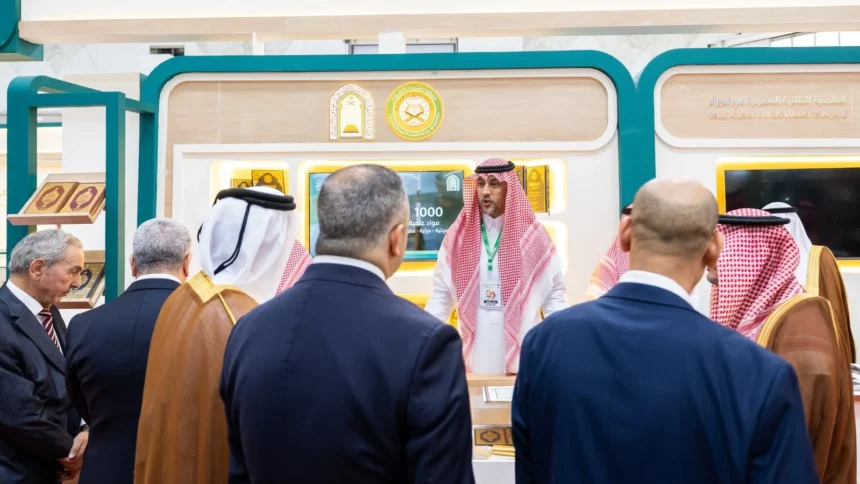
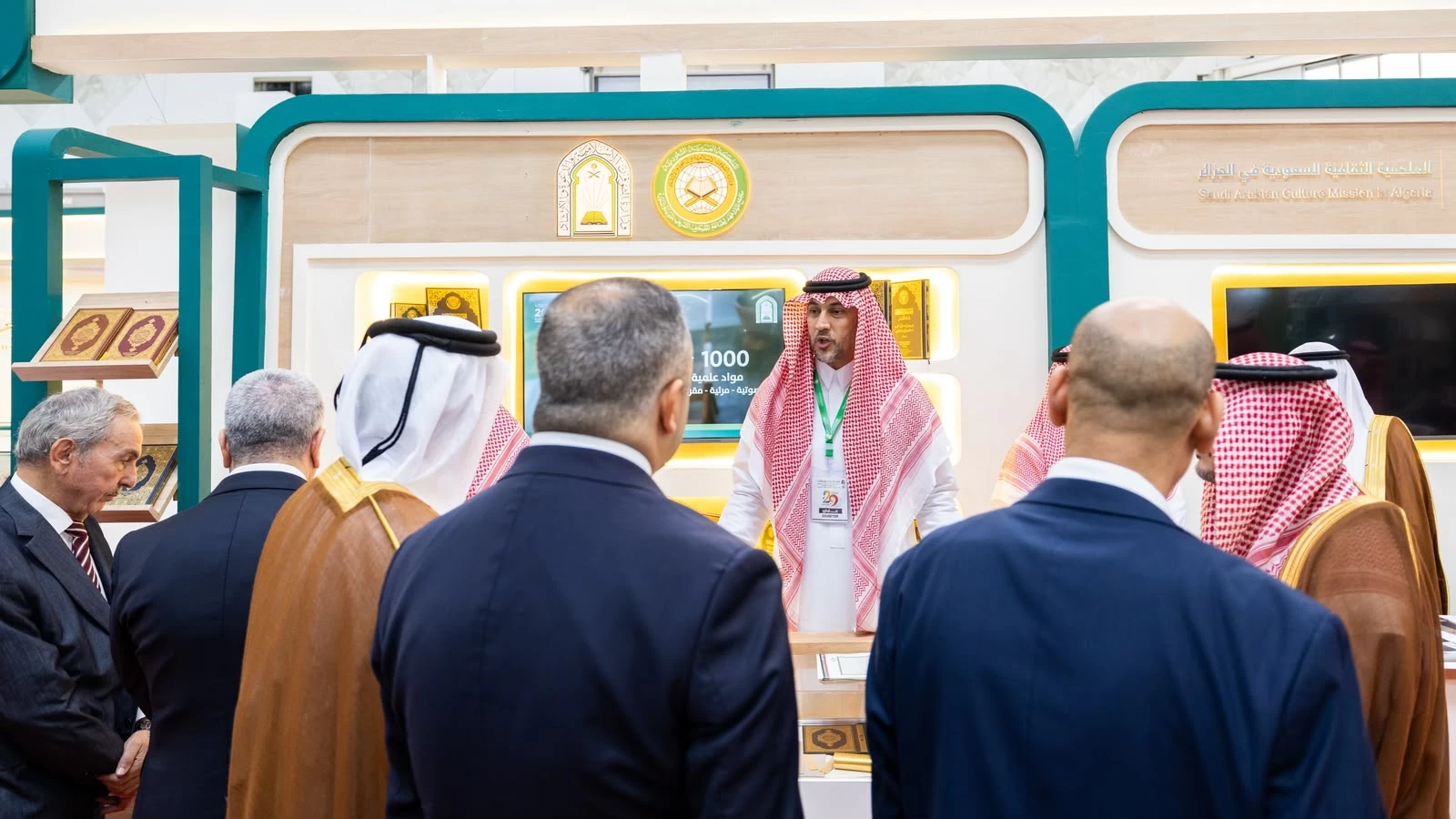
افتتحت هيئة الأدب والنشر والترجمة جناح المملكة العربية السعودية ضيف شرف معرض الجزائر الدولي للكتاب 2026 الذي انطلقت فعالياته اليوم الأربعاء 28 أكتوبر وتستمر حتى 7 نوفمبر القادم في قصر الصنوبر البحري بالعاصمة الجزائرية وسط حضور رسمي وثقافي يعكس عمق العلاقات بين البلدين والمكانة المتنامية للثقافة السعودية في المحافل الدولية.
وشهد افتتاح الجناح حضور رئيس مجلس الأمة الجزائري عزوز ناصري ورئيسة المجلس الشعبي الوطني خليدة بوفدش ووزيرة الثقافة والفنون مليكة بن دودة والرئيس التنفيذي لهيئة الأدب والنشر والترجمة الدكتور عبداللطيف بن عبدالعزيز الواصل وسفير خادم الحرمين الشريفين لدى الجزائر الدكتور عبدالله ناصر البصيري ومحافظ صالون الكتاب الجزائري محمد إڤرب.
ويمنح اختيار المملكة ضيف شرف المعرض مساحة واسعة للتعريف بالمشهد الثقافي السعودي وما يشهده من تحولات نوعية في مجالات الأدب والنشر والفنون والتراث إلى جانب تعزيز جسور التواصل المعرفي بين المثقفين والمبدعين في البلدين.
وأكد عبداللطيف الواصل أن هذه الاستضافة تمثل تتويجاً للعلاقات الثقافية السعودية الجزائرية وتقديراً للحضور السعودي في المشهدين الثقافي الإقليمي والدولي مشيراً إلى أنها تفتح آفاقاً جديدة لتعريف الجمهور الجزائري بتنوع الثقافة السعودية وثراء مكوناتها الإبداعية والحضارية.
وثمن الواصل دعم الأمير بدر بن عبدالله بن فرحان وزير الثقافة رئيس مجلس إدارة هيئة الأدب والنشر والترجمة للجهود الرامية إلى توسيع الحضور الثقافي السعودي وتعزيز الحوار المعرفي مع مختلف الثقافات كما أعرب عن تقديره للقيادة الجزائرية ووزارة الثقافة والفنون على حفاوة الاستقبال وما تعكسه من روابط أخوية وتاريخية بين البلدين.
وتقود هيئة الأدب والنشر والترجمة المشاركة السعودية بوفد ثقافي موسع يضم عدداً من الهيئات والمؤسسات الوطنية المعنية بالأدب والتراث والأزياء وفنون الطهي والعمارة والتصميم والسينما والخط العربي والمكتبات والترجمة واللغة العربية بما يقدم صورة شاملة عن تعدد روافد الثقافة السعودية وتكامل مؤسساتها.
ويحتضن جناح المملكة برنامجاً ثقافياً حافلاً بالندوات الفكرية والأمسيات الشعرية واللقاءات الأدبية بمشاركة نخبة من الكتاب والمثقفين السعوديين إلى جانب عروض للفنون الأدائية التي تنقل جانباً من الموروث الشعبي السعودي إلى الجمهور الجزائري.
وتحضر الذاكرة التاريخية للمملكة من خلال معرض للمخطوطات النادرة والمستنسخات الأثرية فيما تبرز الحرف اليدوية والأزياء التقليدية والآلات الموسيقية ملامح التنوع الثقافي بين مناطق المملكة. كما يخصص الجناح مساحات للإصدارات السعودية والعروض السينمائية والضيافة التقليدية في تجربة تجمع بين المعرفة والفنون والتاريخ.
وتتجاوز المشاركة السعودية حدود العرض الثقافي إلى بناء مساحات للحوار والتبادل المعرفي وإتاحة الفرصة أمام القارئ الجزائري للتعرف عن قرب على التجربة الإبداعية السعودية في مختلف مجالاتها.
وبهذا الحضور تلتقي الثقافة السعودية بنظيرتها الجزائرية في فضاءً عربي مشترك يعيد التأكيد على دور الكتاب والفنون في توثيق الروابط بين الشعوب ويمنح العلاقات الثقافية بين البلدين أبعاداً جديدة تتجاوز المناسبة إلى آفاق أرحب من التعاون والإبداع.
The Saudi Literature, Publishing, and Translation Authority inaugurated the Kingdom of Saudi Arabia’s pavilion as the guest of honor at the 2026 Algiers International Book Fair, which kicked off today, Wednesday, October 28, and will continue until November 7 at the Palais des Expositions in Algiers. The event is marked by an official and cultural presence that reflects the depth of relations between the two countries and the growing prominence of Saudi culture in international forums.
The opening of the pavilion was attended by the President of the Algerian Council of the Nation, Azzouz Nasri, the President of the National People’s Assembly, Khalida Boufetta, the Minister of Culture and Arts, Malika Ben Duda, the CEO of the Literature, Publishing, and Translation Authority, Dr. Abdul Latif bin Abdulaziz Al-Wasel, the Ambassador of the Custodian of the Two Holy Mosques to Algeria, Dr. Abdullah Nasser Al-Basiri, and the Governor of the Algerian Book Salon, Mohamed Ivrab.
Choosing the Kingdom as the guest of honor at the fair provides a wide platform to introduce the Saudi cultural scene and the qualitative transformations it is witnessing in the fields of literature, publishing, arts, and heritage, in addition to enhancing the bridges of knowledge exchange between intellectuals and creators in both countries.
Dr. Abdul Latif Al-Wasel affirmed that this hosting represents a culmination of Saudi-Algerian cultural relations and an appreciation for the Saudi presence in both the regional and international cultural scenes, noting that it opens new horizons for introducing the Algerian audience to the diversity of Saudi culture and the richness of its creative and civilizational components.
Al-Wasel praised the support of Prince Badr bin Abdullah bin Farhan, the Minister of Culture and Chairman of the Board of the Literature, Publishing, and Translation Authority, for efforts aimed at expanding the Saudi cultural presence and enhancing knowledge dialogue with various cultures. He also expressed his appreciation to the Algerian leadership and the Ministry of Culture and Arts for their warm reception, which reflects the fraternal and historical ties between the two countries.
The Literature, Publishing, and Translation Authority leads the Saudi participation with an expanded cultural delegation that includes several national bodies and institutions concerned with literature, heritage, fashion, culinary arts, architecture, design, cinema, Arabic calligraphy, libraries, translation, and the Arabic language, providing a comprehensive picture of the multiple tributaries of Saudi culture and the integration of its institutions.
The Kingdom’s pavilion hosts a rich cultural program filled with intellectual seminars, poetry evenings, and literary meetings featuring a selection of Saudi writers and intellectuals, along with performances of performing arts that convey aspects of the Saudi folk heritage to the Algerian audience.
The historical memory of the Kingdom is represented through an exhibition of rare manuscripts and archaeological replicas, while traditional handicrafts, clothing, and musical instruments highlight the cultural diversity among the regions of the Kingdom. The pavilion also allocates spaces for Saudi publications, film screenings, and traditional hospitality in an experience that combines knowledge, arts, and history.
The Saudi participation transcends the boundaries of cultural display to build spaces for dialogue and knowledge exchange, providing the Algerian reader with the opportunity to closely explore the Saudi creative experience in its various fields.
With this presence, Saudi culture meets Algerian culture in a shared Arab space that reaffirms the role of books and arts in documenting the ties between peoples and grants cultural relations between the two countries new dimensions that go beyond the occasion to broader horizons of cooperation and creativity.