

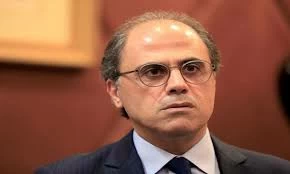
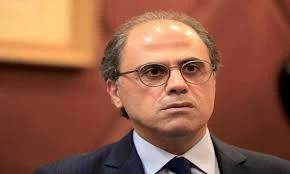
أعلن مدير إدارة الشرق الأوسط وآسيا الوسطى في صندوق النقد الدولي الدكتور جهاد أزعور، أن لبنان من أكثر الدول تأثراً بسبب حرب إيران، لافتاً إلى أن قدرة البلاد على مواجهة آثار هذه الحرب ضعيفة جداً.
وقال أزعور، في مقابلة مع «العربية Business» على هامش اجتماعات الربيع لصندوق النقد والبنك الدوليين،: «لبنان بحاجة إلى مساعدات اقتصادية عاجلة، نحن في مرحلة استثنائية، ويجب على الدول والمؤسسات التي تدعم لبنان أن توفر الدعم السريع لتمكين لبنان من تحقيق الاستقرار الاجتماعي».
وأشار إلى أن هناك تقدماً بالمفاوضات مع لبنان لتقديم دعم للاقتصاد.
ضعف الاقتصاد
وأوضح أزعور أنه تم تهجير نحو 20% من المواطنين وتعرضت مناطق كبرى بجنوب لبنان للدمار الشامل، وتابع: «حجم التأثير الإنساني والاجتماعي الاقتصادي للحرب على لبنان هائل، وقدرة لبنان على الاحتمال ضعيفة نظراً لضعف الوضع الاقتصادي والمالي.
وأشار إلى أن لبنان بحاجة إلى مساعدات لتعزيز قدرته على الصمود من خلال إجراءات اقتصادية ومالية تساهم في حماية لبنان من هذه الصدمات السياسية والأمنية الكبيرة.
فجوة مالية
وأضاف أزعور: «سيتم استكمال المفاوضات مع السلطات اللبنانية خلال اجتماعات الربيع لصندوق النقد والبنك الدوليين، وخصوصاً ما يتعلق بقانون الفجوة المالية وحماية أموال المودعين مع التركيز على حماية صغار المودعين».
وذكر أن الصندوق يعمل على إعادة تقييم وضع الاقتصاد اللبناني بعد الحرب الحالية، خصوصاً مع توقعات ارتفاع التضخم والتأثير السلبي على حجم الناتج المحلي.
The Director of the Middle East and Central Asia Department at the International Monetary Fund, Dr. Jihad Azour, announced that Lebanon is one of the most affected countries due to the Iran war, noting that the country’s ability to cope with the effects of this war is very weak.
Azour stated in an interview with “Al Arabiya Business” on the sidelines of the spring meetings of the IMF and World Bank: “Lebanon needs urgent economic assistance; we are in an exceptional phase, and the countries and institutions that support Lebanon must provide swift support to enable Lebanon to achieve social stability.”
He pointed out that there has been progress in negotiations with Lebanon to provide support for the economy.
Weak Economy
Azour explained that about 20% of citizens have been displaced, and major areas in southern Lebanon have been completely destroyed. He continued: “The scale of the humanitarian and socio-economic impact of the war on Lebanon is immense, and Lebanon’s capacity to endure is weak due to the fragile economic and financial situation.”
He indicated that Lebanon needs assistance to enhance its resilience through economic and financial measures that contribute to protecting Lebanon from these significant political and security shocks.
Financial Gap
Azour added: “Negotiations with the Lebanese authorities will be completed during the spring meetings of the IMF and World Bank, especially concerning the financial gap law and protecting depositors’ funds, with a focus on protecting small depositors.”
He mentioned that the Fund is working on reassessing the situation of the Lebanese economy after the current war, especially with expectations of rising inflation and the negative impact on the size of the gross domestic product.