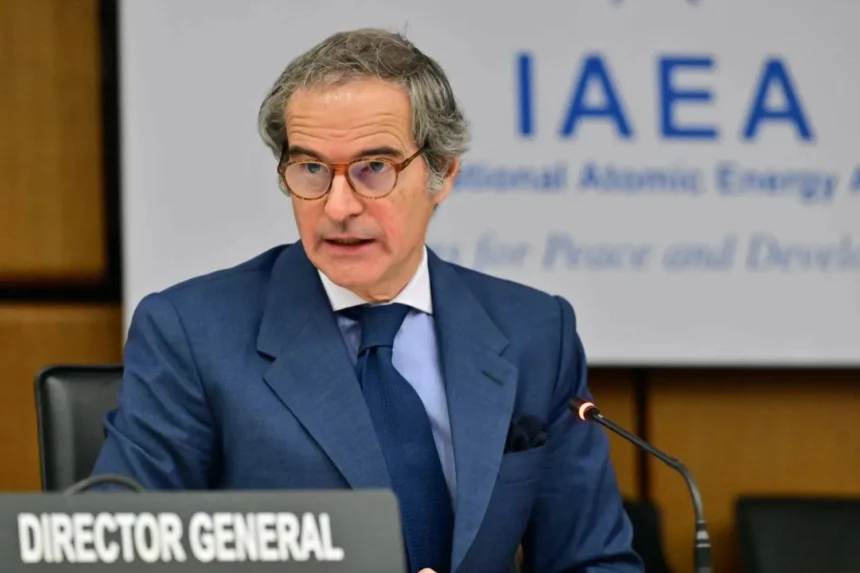
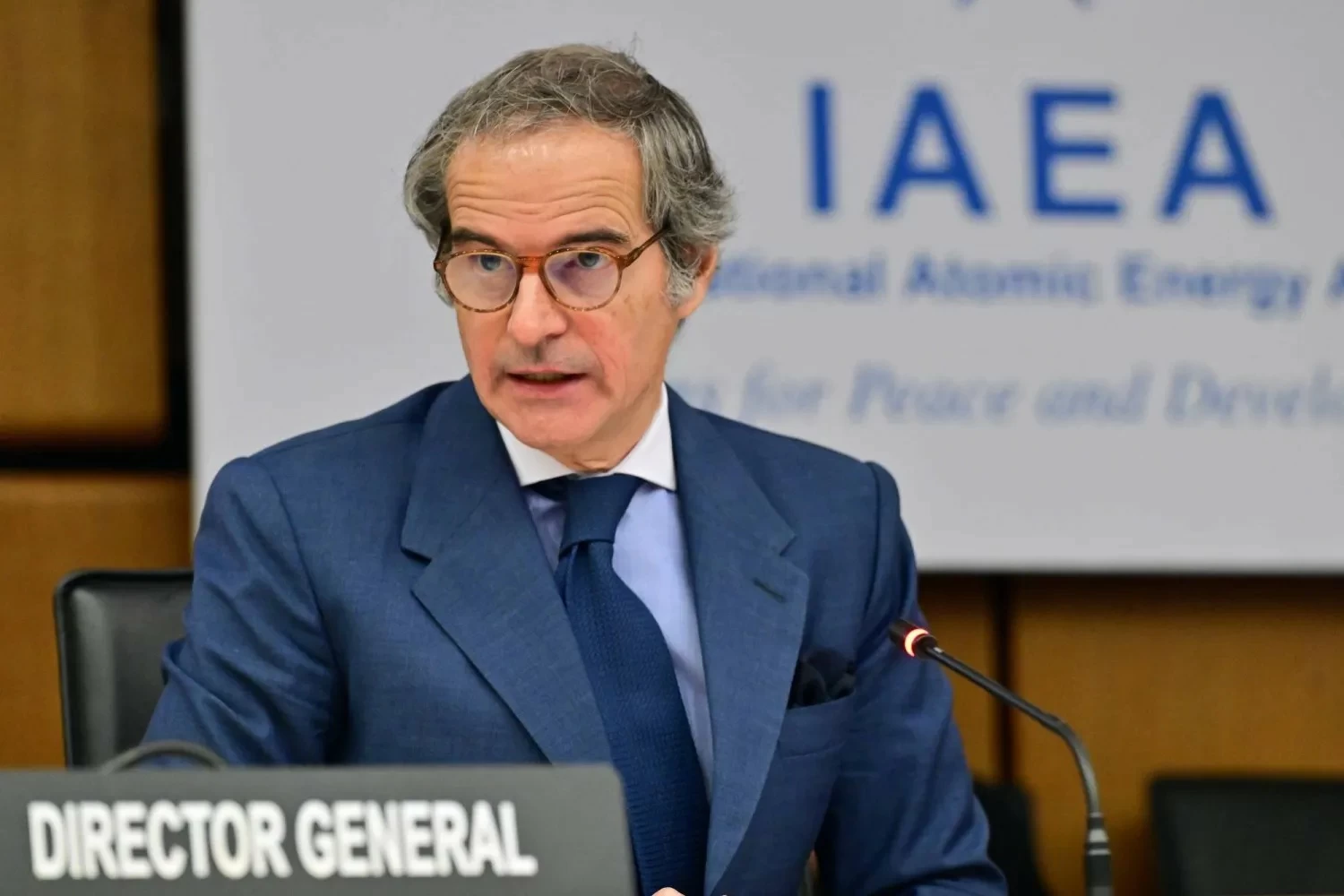
اتهم المدير العام للوكالة الدولية للطاقة الذرية رافائيل جروسي اليوم (الثلاثاء)، إيران بعدم تقديم المعلومات المطلوبة بشأن موادها النووية، وعرقلة عمليات التحقق اللازمة، مؤكداً أن أنشطة مفتشي الوكالة تقتصر حالياً على محطة بوشهر النووية.
وقال جروسي، خلال إحاطة أمام مجلس الأمن الدولي، إن الوكالة لم تتمكن من التحقق من عدم تحويل مواد نووية خاضعة للضمانات عن الاستخدامات المعلنة، مشدداً على ضرورة السماح لمفتشيها بالوصول إلى منشأة أصفهان لتخصيب الوقود، للتحقق من وجود مواد نووية فيها. وأضاف أن الوكالة لم ترصد، منذ يونيو 2025، أنشطة لإعادة بناء المنشآت النووية الإيرانية التي تضررت جراء الهجمات الأمريكية والإسرائيلية.
من جانبها، اتهمت ممثلة الولايات المتحدة لدى الأمم المتحدة جنيفر لوسيتا طهران بعرقلة وصول المفتشين إلى منشآتها الحساسة ورفض الإجابة عن أسئلة تتعلق بمواد ومواقع نووية غير معلن عنها، معتبرة أن رفض تقديم معلومات عن مخزون اليورانيوم عالي التخصيب أمر لا مبرر له. وأعلنت لوسيتا أن واشنطن تعمل مع أطراف معنية لتعزيز آلية مستقلة لمراقبة تنفيذ العقوبات المفروضة على إيران بموجب قرار مجلس الأمن 1737.
بدورها، دعت ممثلة بريطانيا سارة ماكنتوش إيران إلى السماح للمفتشين بالوصول إلى المواقع النووية، مؤكدة ضرورة التوصل إلى حل دبلوماسي مستدام يمنع طهران من تطوير أسلحة نووية أو حيازتها.
في المقابل، رفض ممثل إيران غلام حسين دارزي عقد الجلسة، واتهم واشنطن بشن هجمات دون مبررات مقنعة، زاعماً أن بلاده «ضحية للحرب وليست معتدية»، وأن الولايات المتحدة وإسرائيل هما المعتديتان.
The Director General of the International Atomic Energy Agency, Rafael Grossi, today (Tuesday) accused Iran of not providing the required information regarding its nuclear materials and obstructing necessary verification processes, emphasizing that the agency’s inspectors are currently limited to the Bushehr nuclear power plant.
Grossi stated during a briefing to the United Nations Security Council that the agency has been unable to verify that nuclear materials under safeguards have not been diverted from declared uses, stressing the need to allow its inspectors access to the Isfahan fuel enrichment facility to verify the presence of nuclear materials there. He added that the agency has not observed any activities to rebuild Iranian nuclear facilities that were damaged due to American and Israeli attacks since June 2025.
For her part, the U.S. representative to the United Nations, Jennifer Lucita, accused Tehran of obstructing inspectors’ access to its sensitive facilities and refusing to answer questions related to undeclared nuclear materials and sites, considering the refusal to provide information about its stockpile of highly enriched uranium as unjustified. Lucita announced that Washington is working with concerned parties to enhance an independent mechanism to monitor the implementation of sanctions imposed on Iran under Security Council Resolution 1737.
Meanwhile, the British representative, Sarah Mackintosh, urged Iran to allow inspectors access to nuclear sites, stressing the necessity of reaching a sustainable diplomatic solution that prevents Tehran from developing or possessing nuclear weapons.
In contrast, Iranian representative Gholam Hossein Darzi rejected the session and accused Washington of launching attacks without convincing justifications, claiming that his country is “a victim of war, not an aggressor,” and that the United States and Israel are the aggressors.