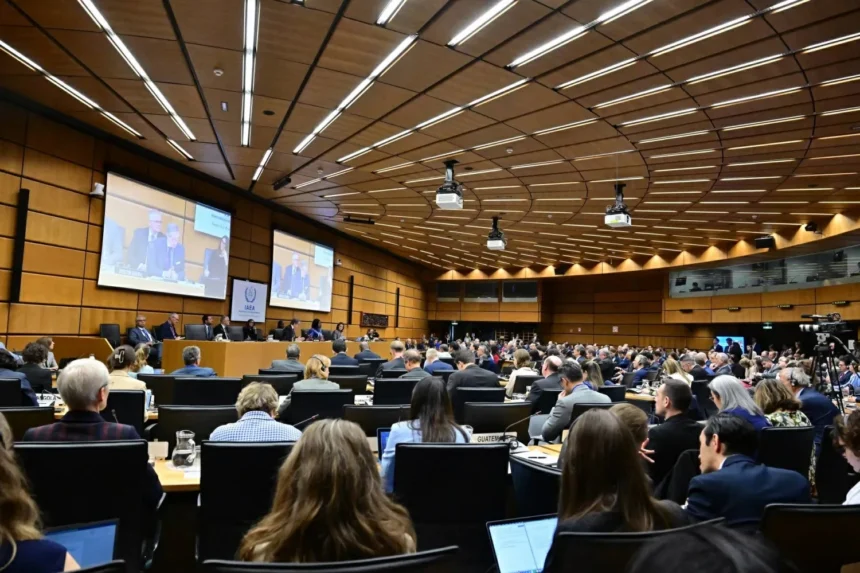
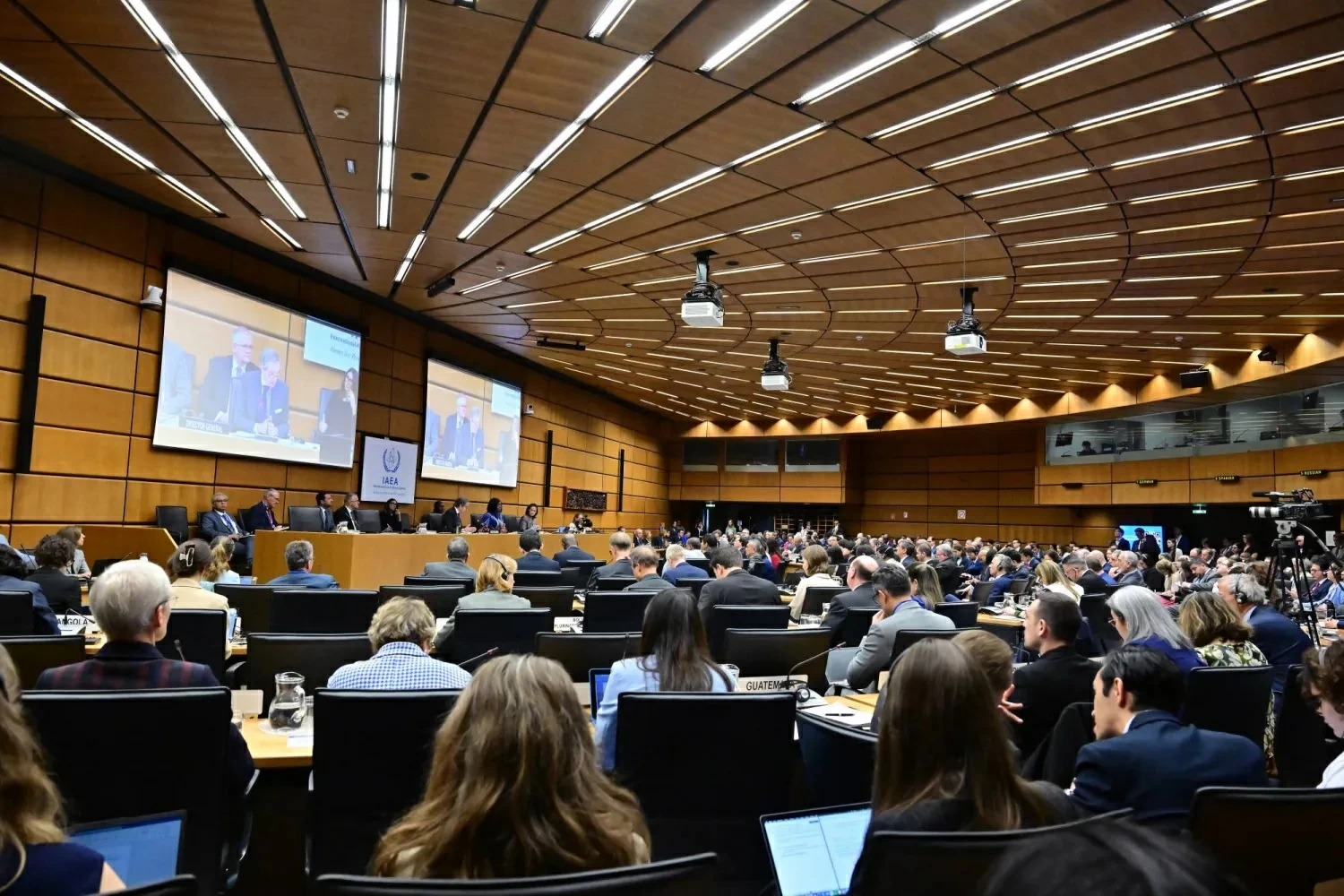
اعتمد مجلس محافظي الوكالة الدولية للطاقة الذرية اليوم (الأربعاء) قراراً يقضي بإلزام إيران بالكشف عن مخزونها المتبقي من اليورانيوم المخصب، وذلك بأغلبية 21 صوتاً، مقابل اعتراض 3 دول وامتناع 10 أخرى.
وذكر دبلوماسيون أن القرار، الذي قدمته الولايات المتحدة وبريطانيا وفرنسا وألمانيا، يشدد على ضرورة منح الوكالة الدولية للطاقة الذرية كامل الصلاحيات التي تحتاجها للتحقق من مخزون إيران من اليورانيوم المخصب.
ويضم مجلس محافظي الوكالة 35 دولة، وحظي القرار بتأييد 21 دولة، فيما عارضته روسيا والصين والنيجر، وامتنعت 10 دول عن التصويت، بينما لم يُسمح لفنزويلا بالمشاركة في التصويت.
من جانبها، زعمت بعثة إيران لدى الوكالة الدولية للطاقة الذرية أن قرار مجلس المحافظين سياسي ويفتقر إلى المهنية فيما يتعلق بأنشطة بلادها النووية السلمية.
واعتبرت البعثة أن الولايات المتحدة تدفع نحو المواجهة مع إيران، مؤكدة أن الحل الدبلوماسي يتطلب حداً أدنى من حسن النية، ومتوعّدة بالرد على قرار الوكالة الذي وصفته بأنه غير مقبول.
في المقابل، حذّر الأمين العام للأمم المتحدة أنطونيو غوتيريش اليوم من أن الشرق الأوسط يتجه نحو أزمة أكثر عمقاً وخطورة، مؤكداً أن تداعيات التصعيد الحالي تتجاوز حدود المنطقة وتمس الأمن والاستقرار الدوليين.
وقال غوتيريش، خلال إحاطة أمام مجلس الأمن الدولي، إنه يشعر بقلق بالغ من أن تؤدي الهجمات الأخيرة المتبادلة بين إيران وإسرائيل والولايات المتحدة إلى اندلاع صراع شامل في المنطقة، داعياً جميع الأطراف إلى تجنب مزيد من التصعيد.
وأكد الأمين العام أن أي حل مستدام في قطاع غزة يجب أن يستند إلى القانون الدولي، وأن يضمن بقاء غزة والضفة الغربية، بما في ذلك القدس الشرقية، وحدة جغرافية وسياسية واحدة ضمن الدولة الفلسطينية.
وشدد غوتيريش على ضرورة أن تعمل جميع الأطراف من أجل التوصل إلى تسوية دبلوماسية ووقف شامل لإطلاق النار، محذراً من أن استمرار العمليات العسكرية سيؤدي إلى تفاقم الأزمة الإنسانية والأمنية في المنطقة.
The Board of Governors of the International Atomic Energy Agency today (Wednesday) adopted a decision requiring Iran to disclose its remaining stock of enriched uranium, with a majority of 21 votes in favor, against 3 opposing countries and 10 abstentions.
Diplomats mentioned that the decision, presented by the United States, Britain, France, and Germany, emphasizes the need to grant the International Atomic Energy Agency full authority to verify Iran’s stock of enriched uranium.
The Board of Governors of the agency consists of 35 countries, and the decision received support from 21 countries, while it was opposed by Russia, China, and Niger, with 10 countries abstaining from the vote, and Venezuela was not allowed to participate in the voting.
For its part, Iran’s mission to the International Atomic Energy Agency claimed that the Board of Governors’ decision is political and lacks professionalism regarding its peaceful nuclear activities.
The mission considered that the United States is pushing towards confrontation with Iran, asserting that a diplomatic solution requires a minimum of goodwill, and threatening to respond to the agency’s decision, which it described as unacceptable.
In contrast, United Nations Secretary-General Antonio Guterres warned today that the Middle East is heading towards a deeper and more dangerous crisis, emphasizing that the repercussions of the current escalation extend beyond the region and affect international security and stability.
Guterres stated during a briefing to the United Nations Security Council that he is deeply concerned that the recent reciprocal attacks between Iran, Israel, and the United States could lead to a full-scale conflict in the region, calling on all parties to avoid further escalation.
The Secretary-General affirmed that any sustainable solution in the Gaza Strip must be based on international law and ensure that Gaza and the West Bank, including East Jerusalem, remain a single geographical and political unit within the Palestinian state.
Guterres stressed the necessity for all parties to work towards a diplomatic settlement and a comprehensive ceasefire, warning that the continuation of military operations will exacerbate the humanitarian and security crisis in the region.