


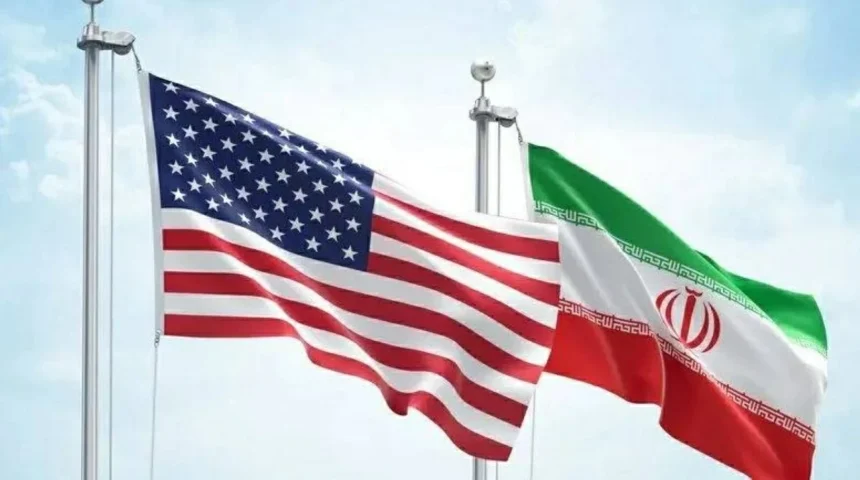
فيما أعرب الرئيس الأمريكي دونالد ترمب عن تفاؤله بإمكانية حل القضايا الخلافية مع إيران خلال محادثات الـ 60 يوماً المنتظرة، فإن المراقبين يتخوفون من أن الملفات الشائكة تهدد بتفجير المفاوضات القادمة. ويشير هؤلاء إلى 4 ملفات معقدة يمكة لأي منها إفشال التوصل لاتفاق نهائي، وهي:
الجبهة المشتعلة في لبنان
إذ رفعت طهران سقف مطالبها، عبر ربط أي اتفاق نهائي بانسحاب إسرائيلي كامل من لبنان، بعد صياغة بند في نص الاتفاق يشير إلى ضرورة احترام سيادة لبنان وسلامة أراضيه، بحسب ما نقلت مجلة «تايم». كما أن رئيس الوزراء الإسرائيلي بنيامين نتنياهو أعلن أنه لا يشعر بأنه مُلزم بالاتفاق بين واشنطن وطهران، ولا ينوي سحب قواته مما أسماه «المنطقة الأمنية في الجنوب اللبناني».
وقد تواصلت الغارات الإسرائيلية على قرى وبلدات جنوبية لبنانية، اليوم السبت، على الرغم من الإعلان عن التوصل لاتفاق بين إسرائيل وحزب الله أمس الجمعة لوقف إطلاق النار.
العقوبات والبرنامج النووي
ويتعلق الملف الثاني بالبرنامج النووي ورفع العقوبات عن إيران، وهو الأكثر تعقيدًا من الناحية التقنية، إذ إن مذكرة التفاهم أرجأت البحث في مسألة التخصيب ومصير مخزون اليورانيوم عالي التخصيب إلى المحادثات الفنية المرتقبة، وكذلك مدة وقف التخصيب، وما إذا كان سيتم إخراج 400 كيلوغرام من اليورانيوم المخصب من البلاد أو تخفيض نسبة تخصيبه داخلها، وكيف ستُجرى عمليات التفتيش والتحقق في مواقع تعرضت للقصف وأصيبت بأضرار جزئية.
وتمثل مسألة كيفية ترتيب رفع العقوبات مقابل كل خطوة نووية ملفاً معقداً، يضاف إليه تعقيد داخلي في واشنطن، إذ ألمح ترمب إلى أنه سيُحيل أي اتفاق نهائي إلى الكونغرس لمراجعته والمصادقة عليه.
وبما أن رفع العقوبات الأساسية يتطلب على الأرجح موافقة الكونغرس أيضًا، فإن هناك مخاوف من أن تتحول العملية التشريعية نفسها إلى عقبة، وربما إلى عامل يفشل الاتفاق.
مضيق هرمز
وحسب «تايم»، فإن قضية مضيق هرمز تعقد معضلة تهدد الاتفاق، إذ تطالب طهران بالاعتراف رسميًا بإدارته أو سيطرتها الفعلية على هذا الممر المائي الحيوي، حتى دون فرض رسوم عبور تخلق ظروفًا مواتية لوقوع حوادث مستقبلية. فالسفن التي لا تُبلّغ «هيئة مضيق الخليج» التي أنشأتها طهران حديثًا قد تتعرض للاعتراض، وأي اعتراض قد يتصاعد بسرعة. وبالتالي، تبقى المخاطر مرتفعة.
While U.S. President Donald Trump expressed optimism about the possibility of resolving contentious issues with Iran during the anticipated 60-day talks, observers fear that the thorny files threaten to derail the upcoming negotiations. They point to four complex files, any of which could hinder reaching a final agreement, namely:
The Escalating Front in Lebanon
Tehran has raised its demands by linking any final agreement to a complete Israeli withdrawal from Lebanon, after drafting a clause in the agreement text that emphasizes the need to respect Lebanon’s sovereignty and territorial integrity, according to what was reported by “Time” magazine. Additionally, Israeli Prime Minister Benjamin Netanyahu announced that he does not feel obligated by the agreement between Washington and Tehran and does not intend to withdraw his forces from what he calls “the security zone in southern Lebanon.”
Israeli airstrikes on southern Lebanese villages and towns continued today, Saturday, despite the announcement of a ceasefire agreement between Israel and Hezbollah yesterday, Friday.
Sanctions and the Nuclear Program
The second file pertains to the nuclear program and lifting sanctions on Iran, which is the most technically complex. The memorandum of understanding postponed discussions on the issue of enrichment and the fate of the highly enriched uranium stockpile to the upcoming technical talks, as well as the duration of the enrichment halt, whether 400 kilograms of enriched uranium will be removed from the country or its enrichment level reduced within it, and how inspections and verifications will be conducted at sites that have been bombed and partially damaged.
The issue of how to arrange the lifting of sanctions in exchange for each nuclear step represents a complex file, compounded by internal complexities in Washington, as Trump hinted that he would refer any final agreement to Congress for review and approval.
Since lifting the core sanctions likely also requires Congressional approval, there are concerns that the legislative process itself could become an obstacle, and perhaps even a factor that undermines the agreement.
The Strait of Hormuz
According to “Time,” the issue of the Strait of Hormuz complicates a dilemma that threatens the agreement, as Tehran demands official recognition of its administration or effective control over this vital waterway, even without imposing transit fees that create favorable conditions for future incidents. Ships that do not notify the “Gulf Strait Authority,” which was recently established by Tehran, may face interception, and any interception could escalate quickly. Thus, the risks remain high.