أعلنت الحكومة المصرية الانتهاء من سداد وتسوية جميع المستحقات المالية المتأخرة لشركاء الاستثمار الأجانب في قطاعي البترول والغاز الطبيعي، لتصل المديونية إلى «صفر دولار» لأول مرة منذ سنوات، في خطوة وصفتها وزارة البترول والثروة المعدنية بأنها نقطة تحول إستراتيجية لدعم الاستثمار وزيادة الإنتاج واستعادة ثقة الشركات العالمية العاملة في السوق المصرية.
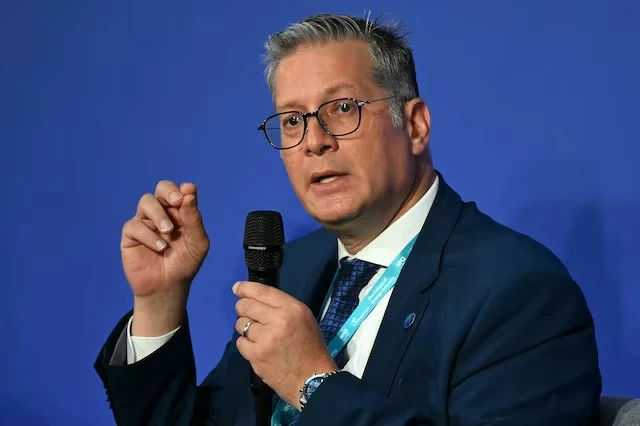
وقال وزير البترول والثروة المعدنية، كريم بدوي، إن الدولة نجحت في إنهاء ملف المستحقات المتأخرة بالكامل اعتبارًا من 10 يونيو 2026، بعد أن بلغت تلك المستحقات نحو 6.1 مليار دولار في يونيو 2024، مؤكدًا أن هذا الإنجاز يفتح صفحة جديدة لقطاع الطاقة المصري تقوم على الثقة والاستثمار والنمو وزيادة الإنتاج.
وأوضح الوزير أن إنهاء المديونية المتراكمة يمثل معالجة جذرية لأحد أبرز التحديات التي واجهت قطاع البترول خلال السنوات الماضية، حيث أثرت المتأخرات المالية على خطط الاستثمار وبرامج الحفر والاستكشاف وتنمية الحقول، ما انعكس على مستويات إنتاج النفط والغاز في البلاد.
تراجع المديونية من 6.1 مليار دولار إلى الصفر
وبحسب بيانات وزارة البترول، انخفضت مستحقات الشركاء الأجانب تدريجيًا من نحو 6.1 مليار دولار في يونيو 2024 إلى 1.3 مليار دولار في مارس 2026، ثم إلى 714 مليون دولار في أبريل، و440 مليون دولار في مايو الماضي، قبل أن يتم سدادها بالكامل خلال يونيو الجاري.
وكانت الحكومة المصرية قد أعلنت في مايو الماضي خطة عاجلة لإنهاء كامل المستحقات قبل نهاية يونيو 2026، إلا أنها نجحت في تنفيذ الهدف قبل الموعد المحدد بنحو ثلاثة أسابيع.
تعزيز ثقة المستثمرين
وأكد وزير البترول أن تسوية المستحقات المتأخرة من شأنها استعادة ثقة المستثمرين والشركاء الأجانب، وتهيئة المناخ لضخ استثمارات جديدة في أعمال البحث والاستكشاف والتنمية، خاصة في مناطق البحر المتوسط التي تتطلب استثمارات ضخمة وفترات زمنية طويلة قبل بدء الإنتاج التجاري.
وأشار إلى أن انتظام الدولة في سداد التزاماتها المالية يمثل رسالة إيجابية للشركات العالمية، ويعزز قدرة مصر على جذب رؤوس أموال جديدة لزيادة الإنتاج المحلي من النفط والغاز وتقليل الاعتماد على الواردات.
وتراكمت مستحقات شركات البترول الأجنبية خلال السنوات الماضية نتيجة الضغوط التي تعرض لها الاقتصاد المصري ونقص العملة الأجنبية، ما أدى إلى تأخر سداد بعض الالتزامات المالية المستحقة للشركات العاملة في قطاع الطاقة. إلا أن تحسن تدفقات النقد الأجنبي خلال الفترة الأخيرة ساعد الحكومة على تسريع وتيرة السداد وإنهاء الملف بالكامل.
The Egyptian government announced the completion of the payment and settlement of all overdue financial dues to foreign investment partners in the oil and natural gas sectors, bringing the debt to “zero dollars” for the first time in years. This step was described by the Ministry of Petroleum and Mineral Resources as a strategic turning point to support investment, increase production, and restore the confidence of global companies operating in the Egyptian market.
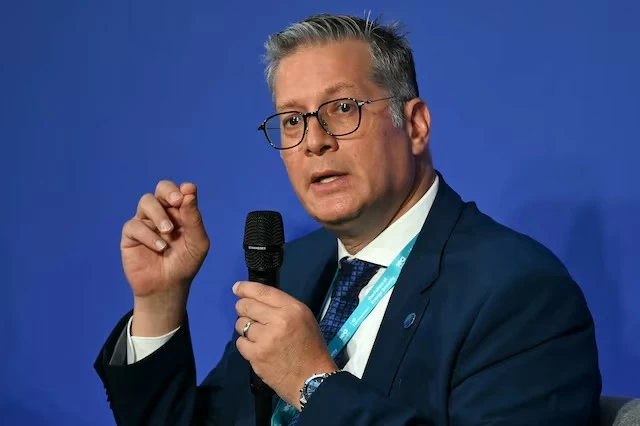
The Minister of Petroleum and Mineral Resources, Karim Badawy, stated that the state succeeded in fully resolving the overdue dues as of June 10, 2026, after these dues had reached approximately 6.1 billion dollars in June 2024. He emphasized that this achievement opens a new chapter for the Egyptian energy sector based on trust, investment, growth, and increased production.
The minister explained that eliminating the accumulated debt represents a fundamental solution to one of the most significant challenges faced by the oil sector in recent years, as the financial arrears affected investment plans, drilling programs, exploration, and field development, which in turn impacted oil and gas production levels in the country.
The reduction of debt from 6.1 billion dollars to zero
According to data from the Ministry of Petroleum, the dues of foreign partners gradually decreased from about 6.1 billion dollars in June 2024 to 1.3 billion dollars in March 2026, then to 714 million dollars in April, and 440 million dollars in May, before being fully settled during the current June.
The Egyptian government had announced last May an urgent plan to settle all dues before the end of June 2026, but it succeeded in achieving the goal about three weeks ahead of schedule.
Enhancing Investor Confidence
The Minister of Petroleum confirmed that settling the overdue dues would restore the confidence of investors and foreign partners, and create a favorable environment for injecting new investments in exploration and development activities, especially in the Mediterranean areas that require substantial investments and long periods before commercial production begins.
He pointed out that the state’s regularity in meeting its financial obligations represents a positive message to global companies and enhances Egypt’s ability to attract new capital to increase domestic production of oil and gas and reduce reliance on imports.
The dues of foreign oil companies accumulated over the past years due to the pressures faced by the Egyptian economy and the shortage of foreign currency, which led to delays in settling some financial obligations owed to companies operating in the energy sector. However, the recent improvement in foreign currency flows helped the government accelerate the pace of payments and fully resolve the issue.