


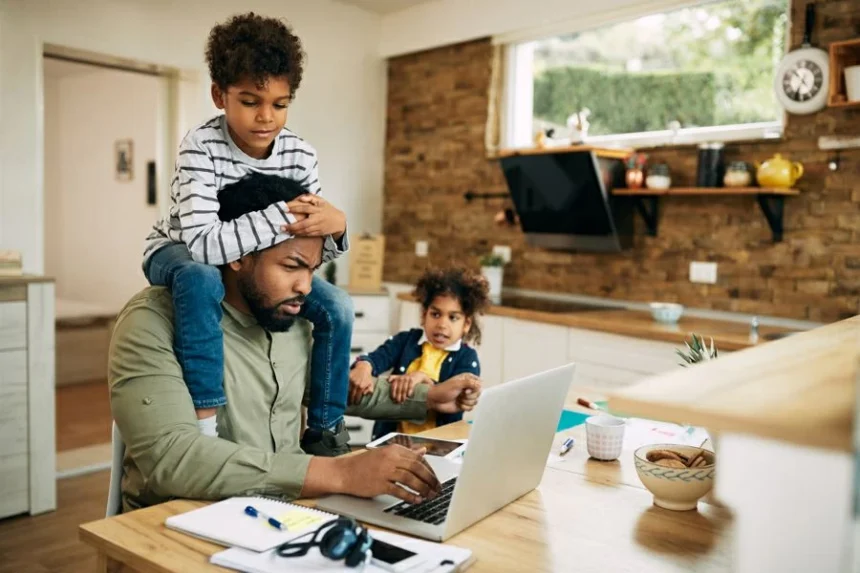

كشفت دراسة أمريكية جديدة أن التحول الواسع إلى العمل من المنزل منذ جائحة كورونا قد يكون له تأثيرات سلبية غير متوقعة على الصحة النفسية للعاملين، خصوصاً الأشخاص الذين يعيشون بمفردهم.
ووجد الباحثون أن الموظفين الذين أصبحت وظائفهم أكثر اعتماداً على العمل عن بُعد بعد الجائحة سجلوا ارتفاعاً ملحوظاً في مستويات الضيق النفسي مقارنة بالعاملين الذين استمروا في أداء مهماتهم داخل مواقع العمل التقليدية.
تحليل بيانات أكثر من نصف مليون شخص
الدراسة، التي نُشرت في مجلة Science، استندت إلى تحليل بيانات 588 ألفاً و322 شخصاً من خلال خمس دراسات استقصائية واسعة أُجريت في الولايات المتحدة بين عامي 2011 و2024، مع استبعاد سنوات الذروة خلال الجائحة لتجنب تأثير الظروف الاستثنائية المرتبطة بانتشار فيروس كورونا.
وقارن الباحثون بين معدلات الاستفادة من خدمات الصحة النفسية، بما في ذلك العلاج النفسي ووصفات الأدوية المضادة للاكتئاب، لدى العاملين في الوظائف التي يمكن أداؤها عن بُعد والعاملين في الوظائف التي تتطلب الحضور المباشر.
التفاعل الاجتماعي عنصر أساسي
وأظهرت النتائج أن الأفراد يميلون إلى الشعور بمعنى أكبر لعملهم عندما يتضمن تفاعلات اجتماعية يومية مع الزملاء أو العملاء.
وأشار الباحثون إلى أن العاملين عن بُعد سجلوا زيادة طفيفة لكنها ملحوظة في مؤشرات الضيق النفسي خلال السنوات التي أعقبت الجائحة، فيما كان التأثير أشد بكثير لدى الأشخاص الذين يعيشون بمفردهم، حيث بلغت الزيادة في مستويات الضغوط النفسية لديهم نحو ضعف ما سُجل لدى الأشخاص الذين يشاركون السكن مع آخرين.
كما أوضحت الدراسة أنه لم يتم رصد زيادة مماثلة في استخدام الخدمات الصحية غير المرتبطة بالصحة النفسية، ما يشير إلى أن النتائج لا تعكس مجرد ارتفاع عام في طلب الرعاية الطبية.
ثلث الزيادة في الضغوط النفسية
وقدّر الباحثون أن انتشار العمل عن بُعد قد يكون مسؤولاً عن نحو ثلث الارتفاع الإجمالي في معدلات الضيق النفسي الذي تم رصده خلال فترة الدراسة.
وأشار معدّو الدراسة إلى أن العمل من المنزل لا يخلو من المزايا، مثل توفير الوقت المستهلك في التنقل ومنح الموظفين مرونة أكبر، إلا أنه قد يؤدي في المقابل إلى فقدان التفاعلات الاجتماعية اليومية التي تلعب دوراً مهماً في دعم الصحة النفسية.
وأضافوا أن التواصل البسيط مع الزملاء، وحتى المواقف اليومية العابرة مثل إلقاء التحية على عامل المقهى، قد يكون له أثر إيجابي في الحفاظ على التوازن النفسي.
الأشخاص الذين يعيشون بمفردهم الأكثر تأثراً
وحذرت الدراسة من أن العاملين الذين يعيشون بمفردهم قد يكونون الفئة الأكثر عرضة للمخاطر النفسية المرتبطة بالعمل عن بُعد، إذ يمكن أن يؤدي غياب التواصل اليومي إلى تعزيز مشاعر العزلة وتقليص فرص التفاعل الاجتماعي.
وفي الوقت نفسه، أقر الباحثون بوجود بعض القيود في الدراسة، أبرزها أن البيانات اقتصرت على العاملين في الولايات المتحدة، كما لم تتمكن من التمييز بدقة بين أنماط العمل الهجين والعمل عن بُعد بشكل كامل.
أزمة صحة نفسية متصاعدة
وتأتي هذه النتائج بالتزامن مع بيانات نُشرت في مارس الماضي أظهرت وجود نحو 850 ألف شخص إضافي يتلقون علاجاً نفسياً أو ينتظرون بدء العلاج مقارنة بمستويات يناير 2020.
وفي تعليق على هذه المؤشرات، حذر الرئيس التنفيذي لمؤسسة الصحة العقلية مارك رولاند من أن أزمة الصحة النفسية تمثل “كارثة إنسانية واقتصادية”، مشيراً إلى أنها تكلف المملكة المتحدة ما لا يقل عن 118 مليار جنيه إسترليني سنوياً.
ارتباط محتمل بزيادة استهلاك الكحول
وتدعم هذه النتائج دراسات سابقة تناولت الآثار السلوكية للعمل من المنزل، فقد أظهرت دراسة نرويجية أن الأشخاص الذين يعملون من المنزل لأكثر من 15 ساعة أسبوعياً يكونون أكثر ميلاً لاستهلاك الكحول مقارنة بزملائهم العاملين من المكاتب.
كما كشف استطلاع أجرته عام 2021 شركة Sierra Tucson أن واحداً من كل خمسة موظفين أقر باستخدام الكحول أو المخدرات أثناء العمل من المنزل.
وتشير الدراسة إلى أن العمل عن بُعد، رغم ما يوفره من مرونة وراحة، قد يحمل آثاراً نفسية طويلة المدى لا ينبغي تجاهلها، خاصة لدى الأشخاص الذين يعيشون بمفردهم.
ويرى الباحثون أن الحفاظ على التواصل الاجتماعي المنتظم وخلق فرص للتفاعل الإنساني قد يكونان عاملين أساسيين للتخفيف من هذه التأثيرات في بيئة العمل الحديثة.
A new American study has revealed that the widespread shift to working from home since the COVID-19 pandemic may have unexpected negative effects on the mental health of workers, particularly for those who live alone.
Researchers found that employees whose jobs became more reliant on remote work after the pandemic reported a significant increase in levels of psychological distress compared to workers who continued to perform their tasks at traditional workplaces.
Analysis of data from over half a million people
The study, published in the journal Science, was based on the analysis of data from 588,322 individuals through five large surveys conducted in the United States between 2011 and 2024, excluding peak years during the pandemic to avoid the impact of exceptional circumstances related to the spread of the coronavirus.
Researchers compared the rates of utilization of mental health services, including psychotherapy and prescriptions for antidepressants, among workers in jobs that could be performed remotely and those in jobs requiring in-person attendance.
Social interaction is a key element
The results showed that individuals tend to feel a greater sense of meaning in their work when it involves daily social interactions with colleagues or clients.
Researchers noted that remote workers recorded a slight but noticeable increase in indicators of psychological distress during the years following the pandemic, with the impact being much more severe among those living alone, where the increase in their psychological stress levels was nearly double that recorded among individuals sharing housing with others.
The study also indicated that no similar increase was observed in the use of health services unrelated to mental health, suggesting that the findings do not merely reflect a general rise in demand for medical care.
One-third of the increase in psychological stress
Researchers estimated that the spread of remote work may be responsible for about one-third of the overall increase in rates of psychological distress observed during the study period.
The study’s authors pointed out that working from home is not without its advantages, such as saving time spent on commuting and providing employees with greater flexibility; however, it may conversely lead to a loss of daily social interactions that play an important role in supporting mental health.
They added that simple communication with colleagues, and even everyday fleeting interactions like greeting a café worker, can have a positive effect on maintaining psychological balance.
Individuals living alone are the most affected
The study warned that workers who live alone may be the most vulnerable group to the psychological risks associated with remote work, as the absence of daily communication can reinforce feelings of isolation and reduce opportunities for social interaction.
At the same time, researchers acknowledged some limitations in the study, most notably that the data was limited to workers in the United States and that it could not accurately distinguish between hybrid work patterns and fully remote work.
Escalating mental health crisis
These findings come alongside data published last March showing that there are about 850,000 additional people receiving psychological treatment or waiting to start treatment compared to levels in January 2020.
In a comment on these indicators, Mark Roland, CEO of the Mental Health Foundation, warned that the mental health crisis represents a “humanitarian and economic disaster,” noting that it costs the UK at least £118 billion annually.
Potential link to increased alcohol consumption
These findings support previous studies that addressed the behavioral effects of working from home, as a Norwegian study showed that individuals working from home for more than 15 hours a week are more likely to consume alcohol compared to their office-working counterparts.
A survey conducted in 2021 by Sierra Tucson revealed that one in five employees admitted to using alcohol or drugs while working from home.
The study suggests that remote work, despite its flexibility and convenience, may carry long-term psychological effects that should not be overlooked, especially among those living alone.
Researchers believe that maintaining regular social communication and creating opportunities for human interaction may be key factors in mitigating these effects in the modern work environment.