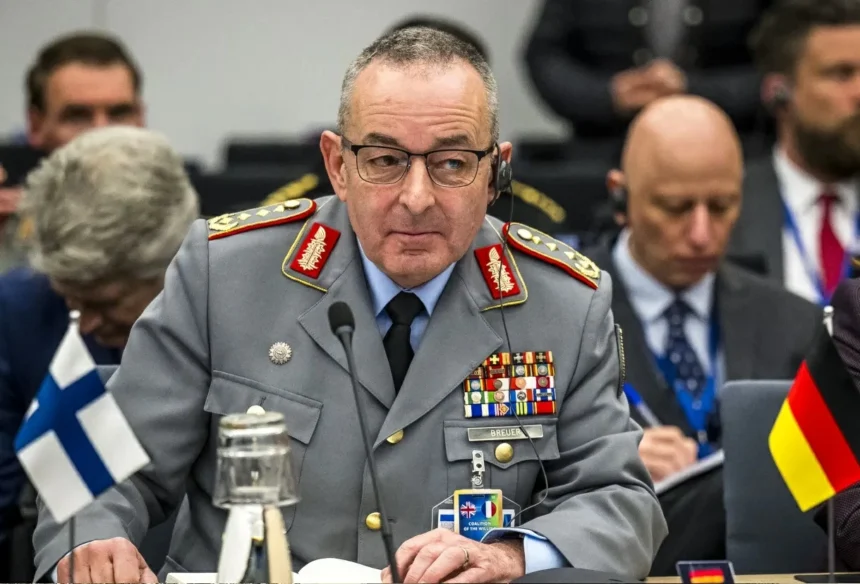
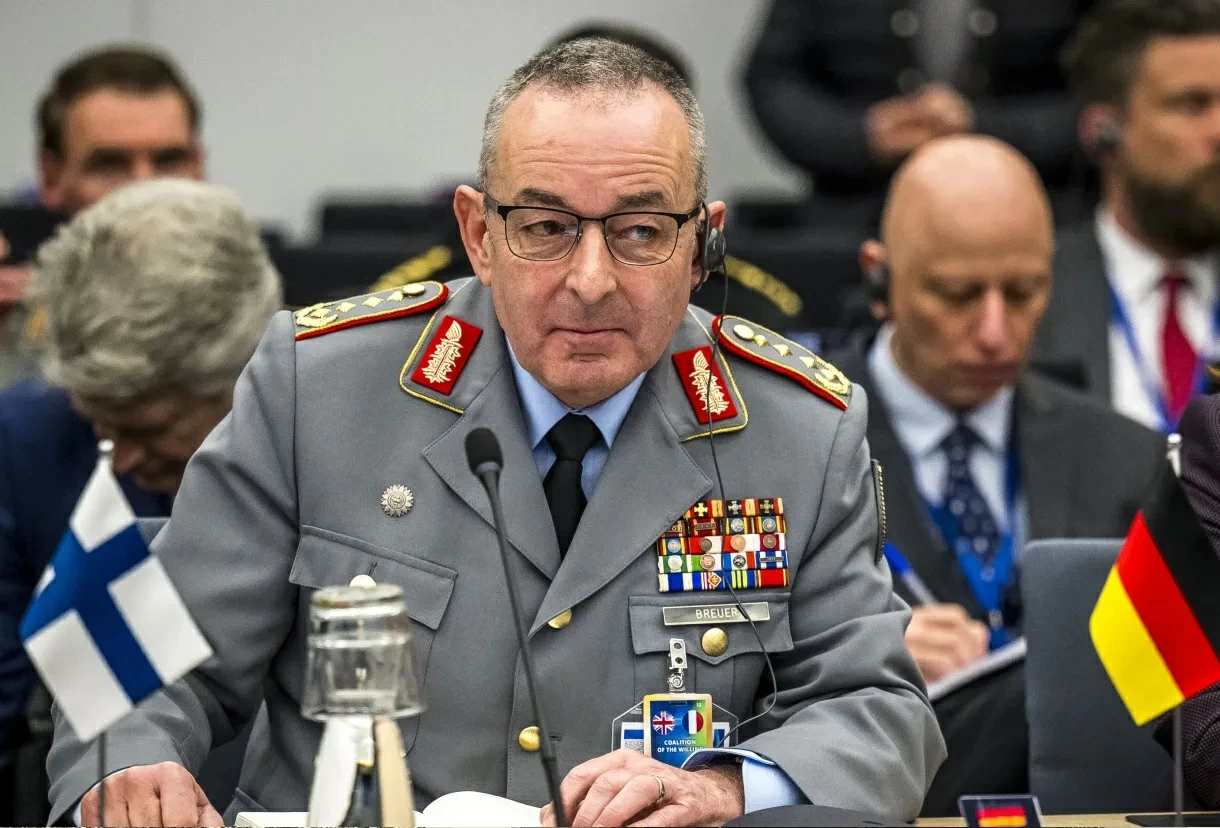
طالب المفتش العام للجيش الألماني كارستن بروير اليوم (الأحد) الولايات المتحدة بتوضيحات بشأن خططها، بعدما أثارت إدارة الرئيس الأمريكي دونالد ترمب قلقاً أوروبياً بإعلانها سحب 5 آلاف جندي أمريكي من ألمانيا.
وقال بروير، في مقابلة مع وكالة «بلومبيرغ»، إن القرار يأتي في وقت رفعت فيه ألمانيا إنفاقها الدفاعي بشكل كبير، إلى جانب التزامها بتحقيق هدف حلف شمال الأطلسي المتمثل في زيادة الإنفاق الدفاعي إلى 3.5% بحلول عام 2029، أي قبل ست سنوات من الموعد المتفق عليه.
وأضاف: «مطالبة الولايات المتحدة لأوروبا بالاهتمام بأمنها الخاص تضع القارة أمام معضلة شائكة. لقد أدركنا جميعاً ضرورة الاهتمام بأمننا بأنفسنا وتحمل المزيد من المسؤولية، لكن لا يمكننا بناء القدرات اللازمة بهذه السرعة».
وأشار إلى أن الولايات المتحدة لا تزال ملتزمة بالدفاع عن أوروبا، مؤكداً أن وجود القوات الأمريكية، سواء كانت متمركزة مسبقاً في أوروبا أو قادمة من الخارج، يظل عاملاً مهماً في منظومة الردع.
وشدد المفتش العام للجيش الألماني بالقول: «إذا كانت الولايات المتحدة تعتزم سحب بعض قدراتها، فعلينا تعويض هذه القدرات، لذلك يجب أن يكون الأمر واضحاً وشفافاً، وأن تكون هناك خارطة طريق تحدد الإطار الزمني لذلك».
وفيما يتعلق بالصين، أوضح بروير أن بكين «تفوّت فرصة التواصل مع دول آسيا وخارجها»، مضيفاً: «تتجاوز مصالح أوروبا في المنطقة الصين بكثير. نحن هنا لتعزيز الحضور الأوروبي، ونتحدث عن أوكرانيا أيضاً، وهذا الترابط مهم بالنسبة لنا».
من جانبه، أشاد وزير الدفاع الأمريكي بيت هيغسيث بحلفاء الولايات المتحدة في آسيا وبالعلاقات المستقرة مع الصين، لكنه وجه انتقادات إلى شركاء واشنطن التقليديين في أوروبا.
وقال هيغسيث: «أمام شركاء الولايات المتحدة في أوروبا وحلف الناتو قرارات كبيرة يجب اتخاذها».
The Inspector General of the German Army, Carsten Breuer, today (Sunday) called on the United States for clarifications regarding its plans, after the administration of U.S. President Donald Trump raised European concerns by announcing the withdrawal of 5,000 American soldiers from Germany.
Breuer stated in an interview with Bloomberg that the decision comes at a time when Germany has significantly increased its defense spending, alongside its commitment to achieve NATO’s goal of raising defense spending to 3.5% by 2029, which is six years ahead of the agreed timeline.
He added: “The U.S. demand for Europe to take care of its own security puts the continent in a tricky dilemma. We have all recognized the necessity of taking care of our own security and bearing more responsibility, but we cannot build the necessary capabilities that quickly.”
He pointed out that the United States remains committed to defending Europe, emphasizing that the presence of American forces, whether stationed in Europe or coming from abroad, remains an important factor in the deterrence system.
The Inspector General of the German Army stressed: “If the United States intends to withdraw some of its capabilities, we must compensate for these capabilities, so it should be clear and transparent, and there should be a roadmap outlining the timeline for that.”
Regarding China, Breuer clarified that Beijing “is missing the opportunity to engage with countries in Asia and beyond,” adding: “Europe’s interests in the region far exceed those of China. We are here to enhance the European presence, and we are also talking about Ukraine, and this interconnectedness is important for us.”
For his part, U.S. Secretary of Defense Pete Hegseth praised America’s allies in Asia and the stable relations with China, but he criticized Washington’s traditional partners in Europe.
Hegseth stated: “The United States’ partners in Europe and NATO have significant decisions to make.”