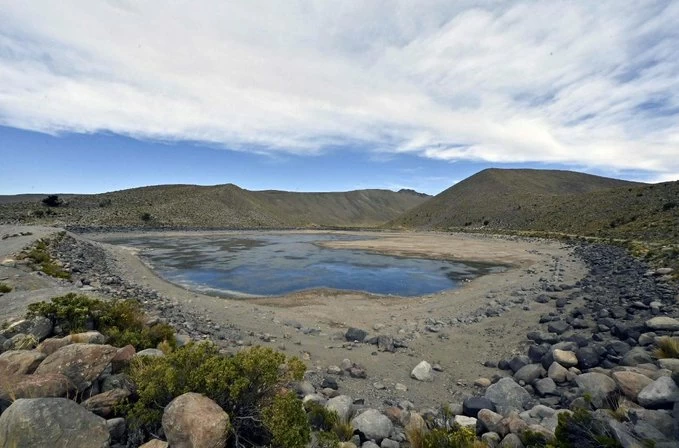
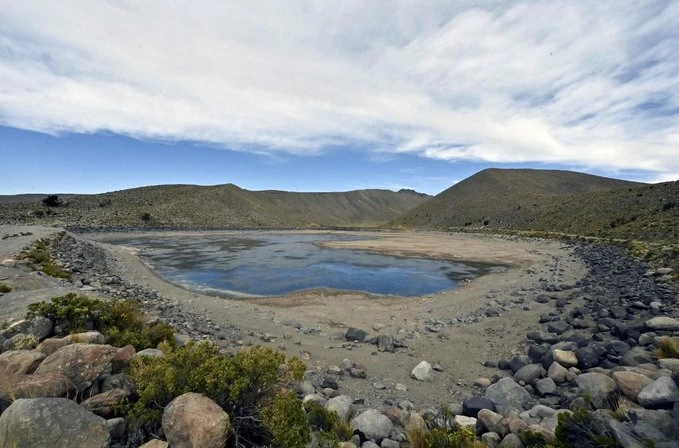
أعلنت بوليفيا حالة الطوارئ الوطنية لمواجهة تداعيات الجفاف ومخاطر الظواهر المناخية المرتبطة بظاهرة «إل نينيو»، بعد تضرر أكثر من 114 ألف أسرة ونفوق نحو 75 ألف رأس من الماشية.
ووقع الرئيس البوليفي رودريجو باز المرسوم رقم 5759، الذي يعلن حالة الطوارئ على مستوى البلاد، بهدف تسريع الاستجابة للأزمة وتوفير الموارد المالية والبشرية اللازمة، وتعزيز التنسيق بين المؤسسات الحكومية والسلطات المحلية لحماية السكان ومصادر رزقهم.
وكشفت وزارة الدفاع البوليفية أن آثار الجفاف والظواهر المناخية المتطرفة طالت 114 ألفا و48 أسرة في 63 بلدية موزعة على ست إدارات، خلال الفترة من الأول من يونيو وحتى 29 أكتوبر 2026. وأظهرت البيانات أن 78 ألفا و217 أسرة تأثرت بالأزمة، فيما صُنفت 35 ألفا و831 أسرة ضمن الأسر المتضررة بصورة مباشرة.
ولا تقتصر الخسائر على نقص المياه، إذ سجلت السلطات تضرر 167 ألفا و511 هكتارا من الأراضي الزراعية، بينها أكثر من 60 ألف هكتار تعرضت لخسائر كاملة، فضلا عن نفوق 75 ألفا و13 رأسا من الماشية، ما يهدد مصادر دخل المزارعين ومربي الحيوانات ويزيد الضغوط على الأمن الغذائي.
وأوضح وزير الدفاع إرنستو خوستينيانو أن نحو 34 ألف أسرة تواجه نقصا في المياه، في وقت تتباين فيه طبيعة المخاطر المناخية بين مناطق البلاد؛ فبينما تعاني مناطق من الجفاف وتراجع الأمطار، تواجه مناطق أخرى احتمالات الأمطار الغزيرة والفيضانات وارتفاع منسوب الأنهار.
وتربط السلطات هذه المخاطر بظاهرة «إل نينيو»، وهي ظاهرة مناخية تنشأ نتيجة ارتفاع درجات حرارة المياه في الأجزاء الاستوائية من المحيط الهادئ، وتؤثر في أنماط الطقس والأمطار ودرجات الحرارة بمناطق مختلفة من العالم. وقد تتسبب في فترات جفاف في مناطق، مقابل زيادة الأمطار والفيضانات في مناطق أخرى، بحسب طبيعة التأثيرات الإقليمية.
وحذر المرسوم البوليفي من مخاطر إضافية خلال الفترة 2026-2027، تشمل موجات البرد والصقيع وتساقط حبات البرد والحرائق والفيضانات والسيول، ما يجعل الأزمة أوسع من مجرد نقص الأمطار، ويضع السلطات أمام تحدي الاستعداد لكوارث مناخية متزامنة.
وفي أحدث تحركاتها، عقدت الحكومة اجتماعا مع عمداء بلديات إقليم سانتا كروز، الاثنين 9 نوفمبر، لتنسيق الاستجابة للمخاطر المناخية، وأطلقت حملة «بوليفيا تستعد» الهادفة إلى تعزيز قدرات السلطات المحلية على تحديد المناطق الأكثر عرضة للكوارث والاستعداد لها.
كما أعلنت الحكومة توجهها لطلب تمويل أولي بقيمة 100 مليون دولار من بنك التنمية للبلدان الأمريكية، لمواجهة تداعيات الجفاف وتنفيذ مشروعات للتعامل مع احتياجات البلديات، بينها توفير المياه والأعلاف للماشية.
وتواجه حكومة رودريجو باز تحديا متزايدا لحماية الأمن الغذائي والموارد المائية ومصادر دخل الأسر الريفية، في ظل مخاوف من استمرار التقلبات المناخية خلال الأشهر المقبلة، وتزامن الجفاف في بعض المناطق مع مخاطر الفيضانات والسيول في مناطق أخرى.
Bolivia has declared a national state of emergency to address the impacts of drought and the risks associated with the climate phenomena linked to “El Niño,” after more than 114,000 families were affected and around 75,000 head of cattle perished.
Bolivian President Rodrigo Paz signed Decree No. 5759, which declares a nationwide state of emergency, aimed at accelerating the response to the crisis and providing the necessary financial and human resources, as well as enhancing coordination between government institutions and local authorities to protect the population and their livelihoods.
The Bolivian Ministry of Defense revealed that the effects of drought and extreme climate phenomena have impacted 114,048 families across 63 municipalities distributed over six departments, during the period from June 1 to October 29, 2026. The data showed that 78,217 families were affected by the crisis, while 35,831 families were classified as directly impacted.
The losses are not limited to water shortages, as authorities reported damage to 167,511 hectares of agricultural land, including more than 60,000 hectares that suffered total losses, in addition to the death of 75,013 head of cattle, threatening the income sources of farmers and livestock breeders and increasing pressure on food security.
Defense Minister Ernesto Justiniano explained that about 34,000 families are facing water shortages, while the nature of climate risks varies across different regions of the country; some areas are suffering from drought and reduced rainfall, while others are facing the likelihood of heavy rains, floods, and rising river levels.
The authorities link these risks to the “El Niño” phenomenon, a climatic event that arises due to rising water temperatures in the tropical parts of the Pacific Ocean, affecting weather patterns, rainfall, and temperatures in various regions around the world. It can cause drought periods in some areas, while increasing rainfall and flooding in others, depending on the nature of regional impacts.
The Bolivian decree warned of additional risks during the 2026-2027 period, including cold waves, frost, hailstorms, fires, floods, and flash floods, making the crisis broader than just a lack of rainfall and presenting authorities with the challenge of preparing for simultaneous climatic disasters.
In its latest actions, the government held a meeting with mayors of municipalities in the Santa Cruz region on Monday, November 9, to coordinate the response to climate risks, and launched the “Bolivia Prepares” campaign aimed at enhancing local authorities’ capabilities to identify the most disaster-prone areas and prepare for them.
The government also announced its intention to request an initial funding of $100 million from the Inter-American Development Bank to address the impacts of drought and implement projects to meet the municipalities’ needs, including providing water and fodder for livestock.
Rodrigo Paz’s government faces an increasing challenge to protect food security, water resources, and the income sources of rural families, amid fears of continued climate fluctuations in the coming months, with drought in some areas coinciding with flood and flash flood risks in others.