

تابع قناة عكاظ على الواتساب
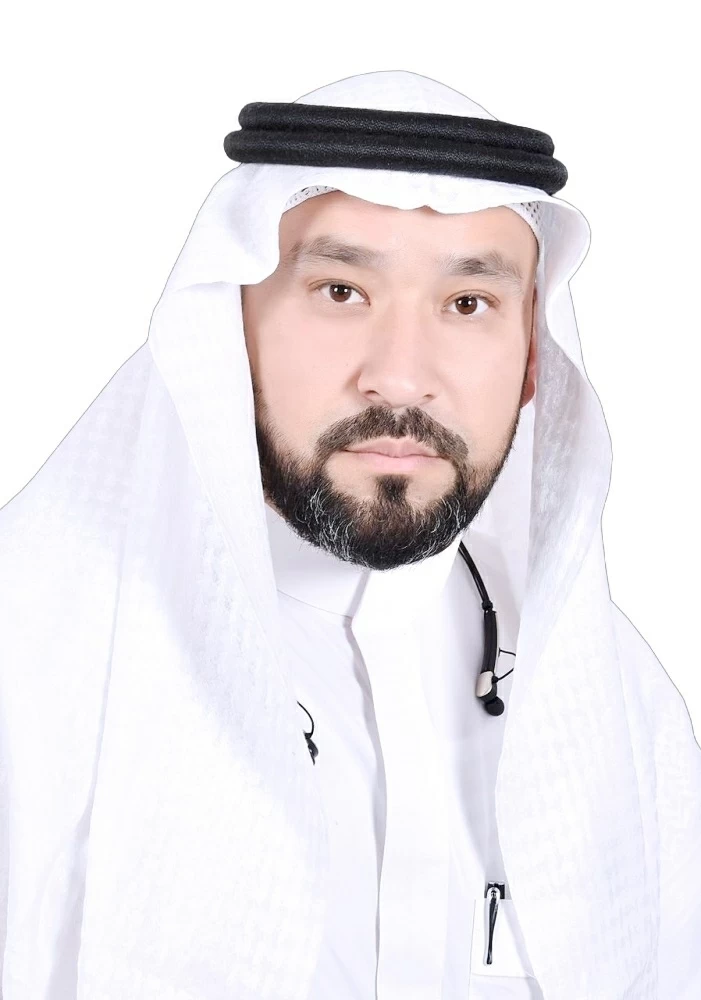
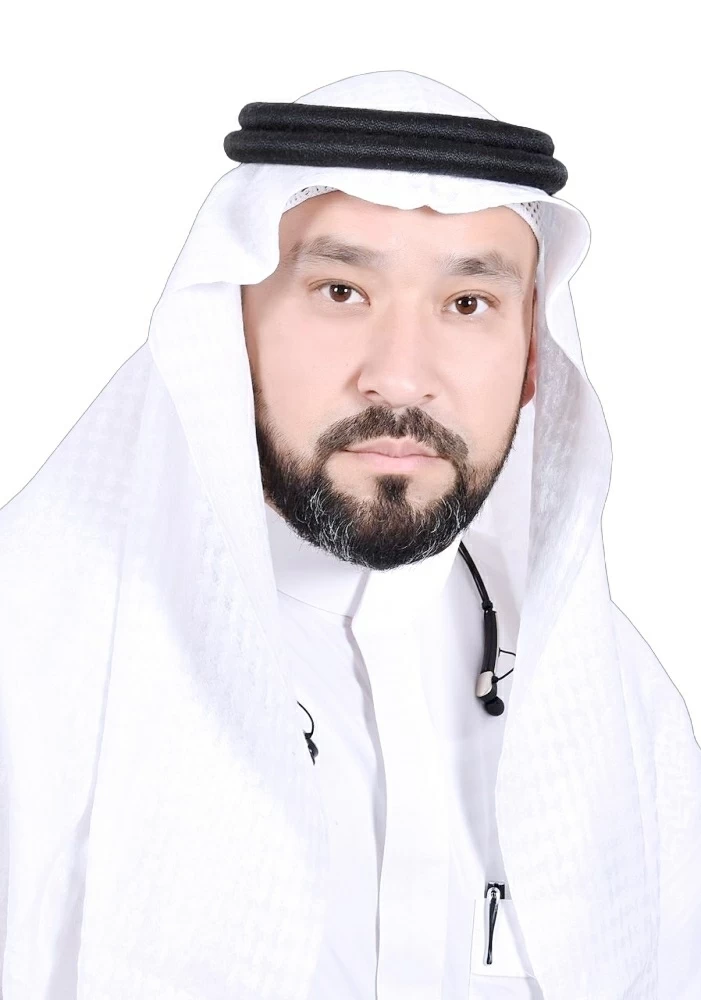
في مصادفة كانت «خيراً من ألف ميعاد»، وفي رواق علمي؛ التقيت بالشخصية المبتسمة دوماً الدكتور وديع أحمد قشقري، الذي مسك يديَّ ودعاني إلى مكتبه، سحبنا الحديث إلى اهتمام بلادنا بالمشاريع الكبرى، وبالدراسات والأبحاث العلمية، وبالتطور والمنجزات العالمية، حتى أصبحنا في مصاف دول العالم الأول.
انتقلنا إلى الحديث عن «تيار التقييم لأداء الموظفين»، الذي هو من أكبر التحديات التي يواجهها القطاع والموظف، والذي -للأسف- أعلى معيار به هو «المزاجية» في قطاعات كثيرة، وينفذ بلا حسيب أو رقيب، والضحية هو «الموظف» الذي أبى أن يرضخ لمعايير غير علمية أو إدارية أو مخلة للشرف والمهنة، فيخسف به فلا ينال ما يستحق، ويزداد غبناً عندما يرى من يتبعون سياسة المثل الشعبي «طبطِب وليِّس»، يحصلون على أعلى تقييم.
استمر النقاش حول رد فعل الموظف أمام هذا الإحباط، وبالتالي انخفاض الإنتاجية، وعندما يبحث ويتحرى لإيجاد الحلول، يصطدم بالواقع بأنه محصور بين تحيّز المُقيِّم وضبابية المعايير التي لا يعلم على أي أساس وضعت، هل على الجنس، العِرق، أو الخضوع، لكنه من المؤكد ليس على الأداء الفعلي، وأن أسوأ من ذلك التقييم الذي يُبنى على أداء الموظف في الشهر الأخير دون النظر إلى الإنجازات المقدمة طيلة العام، مما يجعل الموظف يفقد الثقة والمصداقية في المنظومة التي يقضي معظم وقته بها فيصبح بلا شغف أو ولاء لعمله.
ختام حديثي مع الدكتور قشقري؛ أن الواجب علينا كمواطنين مُحبين لوطننا الغالي أن لا ننجرف لهذا الفساد، وأن لا نيأس ونعمل بجد وإخلاص، فهذه أمانة على عاتق كل مسؤول كان أو موظف، وأن لا يوقفه الاستبداد وعدم الإنصاف، وأن يقدّم بكل ما أعطي من علم وخِبرة، وأن لا يسكت أمام الأعمال الهادرة لأموال ووقت الدولة.
إن المسؤول مهما كان منصبه زائل ولن يتذكره التاريخ، لكن ما نقدّمه من عمل ومجهود ثِماره عائدة لبناء مستقبل وطن يحلم أن يعيش به ملايين من البشر، وبالأخص أننا بلاد الحرمين «حلم كل مسلم».
In a coincidence that was “better than a thousand appointments,” and in an academic corridor, I met the always-smiling Dr. Wadi’ Ahmad Qashqari, who took my hand and invited me to his office. We shifted the conversation to our country’s interest in major projects, scientific studies and research, and global developments and achievements, until we found ourselves among the ranks of the first world countries.
We moved on to discuss the “employee performance evaluation stream,” which is one of the biggest challenges faced by the sector and the employee. Unfortunately, the highest criterion here is “subjectivity” in many sectors, and it is implemented without accountability or oversight, with the victim being the “employee” who refuses to submit to unscientific or unethical standards, thus being overlooked and not receiving what he deserves. This feeling of injustice intensifies when he sees those who follow the popular saying “pat him and let him be” receiving the highest evaluations.
The discussion continued about the employee’s reaction to this frustration, and consequently, the decline in productivity. When he searches for solutions, he finds himself confronted with the reality that he is trapped between the evaluator’s bias and the ambiguity of the criteria, which he does not know on what basis they were established—whether based on gender, race, or submission—but it is certain that it is not based on actual performance. Worse still is the evaluation that is based on the employee’s performance in the last month without considering the achievements made throughout the year, which leads the employee to lose trust and credibility in the system where he spends most of his time, resulting in a lack of passion or loyalty to his work.
In conclusion of my conversation with Dr. Qashqari, I emphasized that it is our duty as citizens who love our dear country not to succumb to this corruption, and not to despair but to work diligently and sincerely. This is a trust on the shoulders of every responsible person, whether an official or an employee, and that they should not be deterred by tyranny and injustice. They should contribute with all the knowledge and experience they possess and not remain silent in the face of the wasteful actions of state funds and time.
No matter how high the position of the official, it is transient and will not be remembered by history. However, what we offer in terms of work and effort will bear fruit for building a future for a homeland that millions dream of living in, especially since we are the land of the Two Holy Mosques, “the dream of every Muslim.”