

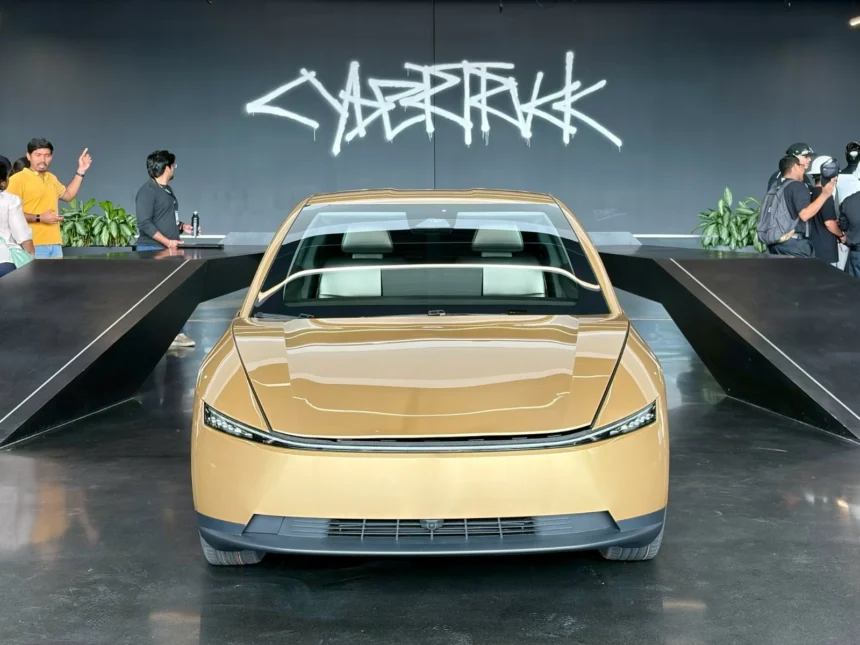
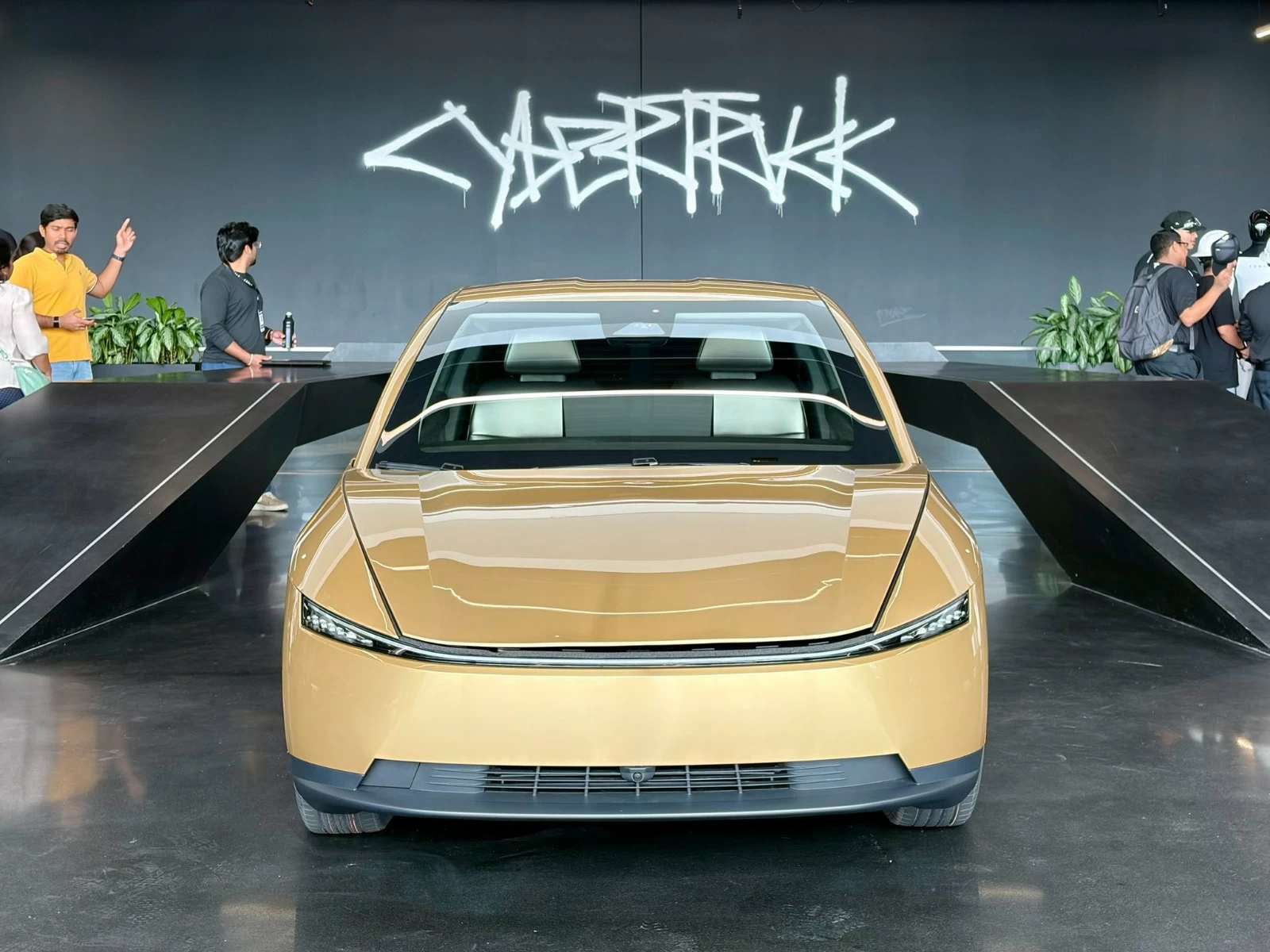
أعلن الملياردير الأمريكي إيلون ماسك، الرئيس التنفيذي لشركة تسلا، عن بدء إنتاج مركبة «سايبر كاب»، وهي أول نموذج تاكسي روبوتي ذاتي القيادة بالكامل من الشركة، والذي كان كشف النقاب عنه رسميًا في أكتوبر 2024 خلال فعالية «We, Robot» التي أقيمت في استوديوهات وارنر براذرز بكاليفورنيا.
وكان ماسك قدم في 2024 «سايبر كاب» كسيارة تاكسي كهربائية صغيرة بمقعدين، بدون عجلة قيادة أو دواسات، وبأبواب تشبه جناح الفراشة، تعتمد كليًا على تقنية القيادة الذاتية الكاملة من تسلا، حيث عرضت الشركة خلال الحدث 20 نموذجًا أوليًا نقلت الضيوف، إلى جانب نموذج فان روبوتي يُدعى «Robovan».
وقارن الملياردير الأمريكي الابتكار الجديد لشركة تسلا بعمل المصعد، واصفا إياه بنظام «اضغط على الزر وانس الأمر»، في إشارة إلى بساطة الاستخدام وغياب التدخل البشري في عملية القيادة.
ويتوقع أن تكلف المركبة أقل من 30 ألف دولار، مع تكلفة تشغيل منخفضة جدًا بنحو 20 سنتًا للميل، حيث تهدف تسلا إلى جعلها أكثر أمانًا بعشر مرات من القيادة البشرية، وستدعم الشحن اللاسلكي، والذي يُخطط لإنتاجها بكميات كبيرة، مع هدف طويل الأمد يصل إلى ملايين الوحدات سنويًا.
وأكد ماسك في تغريداته الأخيرة أن الإنتاج قد بدأ فعليًا في مصنع Giga Texas، بعد أن خرجت أول سيارة سايبر كاب من خط الإنتاج في فبراير الماضي.
يأتي هذا ضمن رؤية تسلا للتحول من شركة سيارات كهربائية إلى شركة روبوتات وذكاء اصطناعي، مع التركيز على أسطول من السيارات ذاتية القيادة التي يمكن للمالكين كسب دخل منها عبر تطبيق تسلا للتاكسي الروبوتي.
American billionaire Elon Musk, the CEO of Tesla, announced the start of production of the “Cyber Cab,” which is the company’s first fully autonomous robotic taxi model, officially unveiled in October 2024 during the “We, Robot” event held at Warner Bros. Studios in California.
Musk introduced the “Cyber Cab” in 2024 as a small electric taxi with two seats, without a steering wheel or pedals, and with butterfly-like doors, relying entirely on Tesla’s full self-driving technology. During the event, the company showcased 20 prototypes that transported guests, along with a robotic van model called “Robovan.”
The American billionaire compared Tesla’s new innovation to the operation of an elevator, describing it as a “press the button and forget it” system, referring to the ease of use and the absence of human intervention in the driving process.
The vehicle is expected to cost less than $30,000, with a very low operating cost of about 20 cents per mile, as Tesla aims to make it ten times safer than human driving, and it will support wireless charging, which is planned for mass production, with a long-term goal of reaching millions of units annually.
Musk confirmed in his recent tweets that production has officially begun at the Giga Texas factory, after the first Cyber Cab rolled off the production line last February.
This is part of Tesla’s vision to transform from an electric car company to a robotics and artificial intelligence company, focusing on a fleet of self-driving cars that owners can earn income from through the Tesla robotic taxi app.